



Ransomware: A quick primer
Ransomware is a type of malicious software (malware) designed to prevent users from accessing their computer files, systems, or networks. Attackers demand ransom in cryptocurrency in exchange for a “decryption key” to untangle the mess they’ve made in your environment.
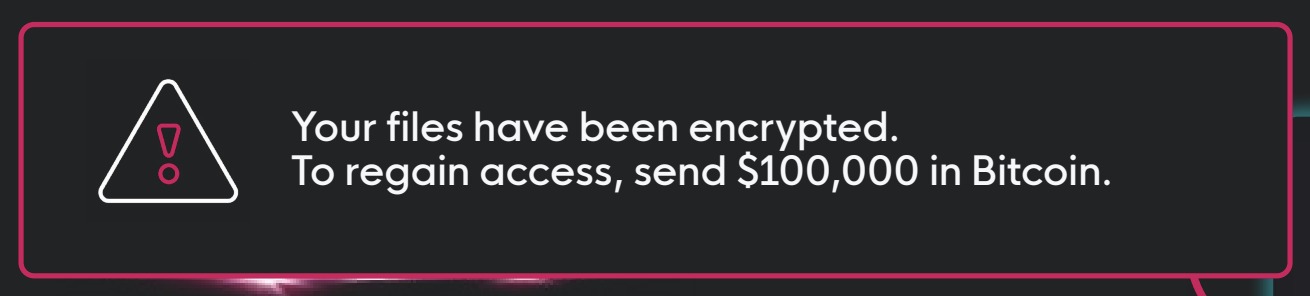 Figure 1: Example of ransomware encryption scenario
Since criminals stage these attacks, there is zero guarantee you’ll get your data back or keep it private if you pay the ransom. Relying on hackers to play fair is never a reliable security plan. Your finances, brand reputation, hard-earned regulatory compliance, and more could be in danger faster than the cursor blinks on your screen.
Threat actors know that ransomware cuts deeper than other types of cyberattacks and use the high-visibility factor as leverage.
 Figure 2: Excerpt from an INC ransom note. Source.
The best thing you can do is focus on prevention to avoid these attacks altogether. To show you what we mean, check out this in-depth analysis of a ransomware attack that our Security Operations Center (SOC) disrupted.
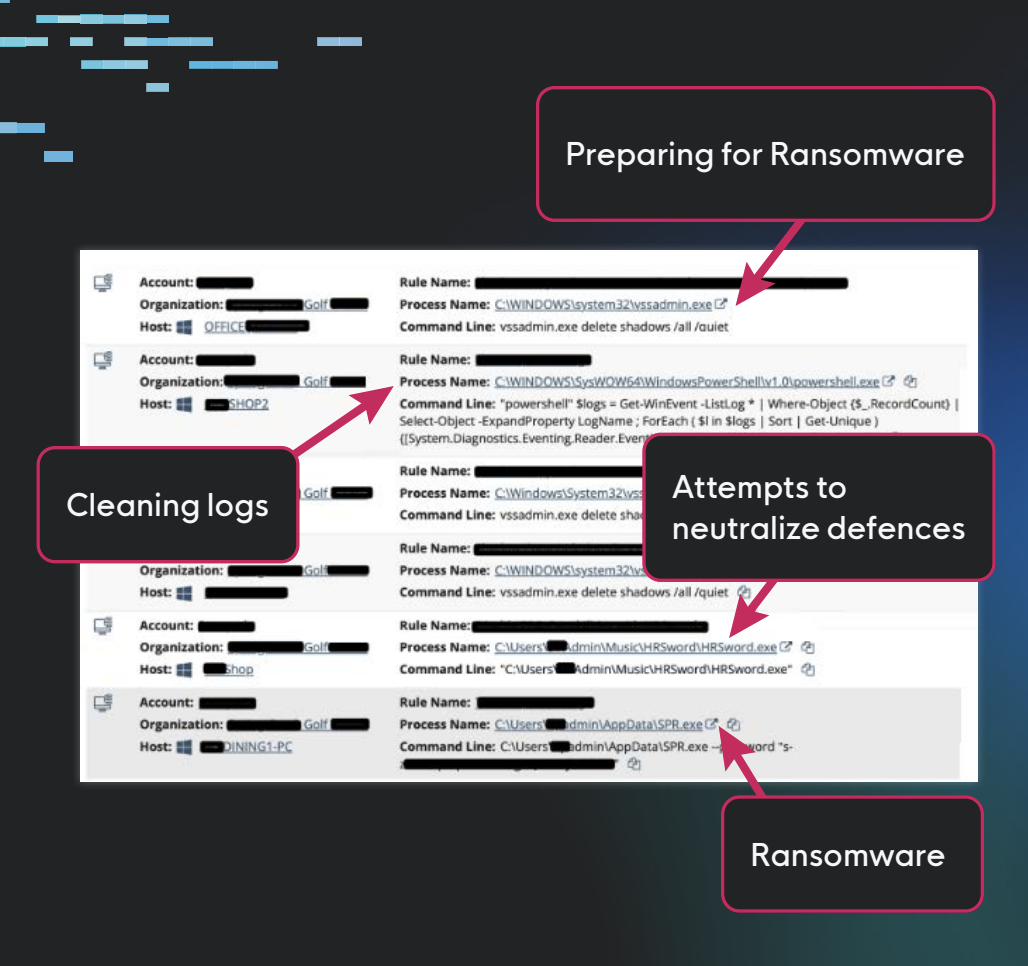 Figure 3: Example of steps leading up to a ransomware attack
 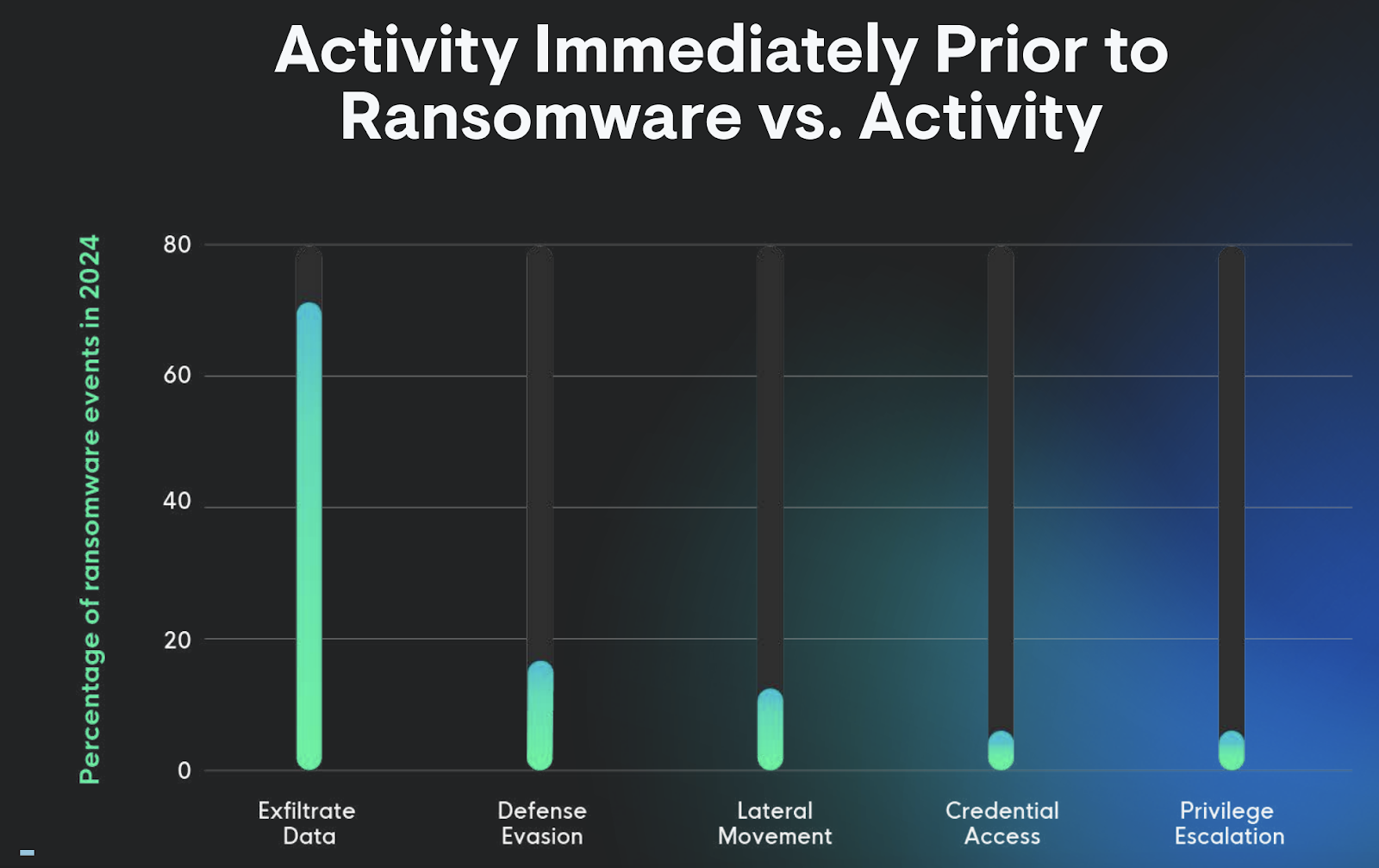 Figure 4: Percentages of activities prior to ransomware events in 2024
 Figure 5: Steps taken from targeting victims to deploying the payload
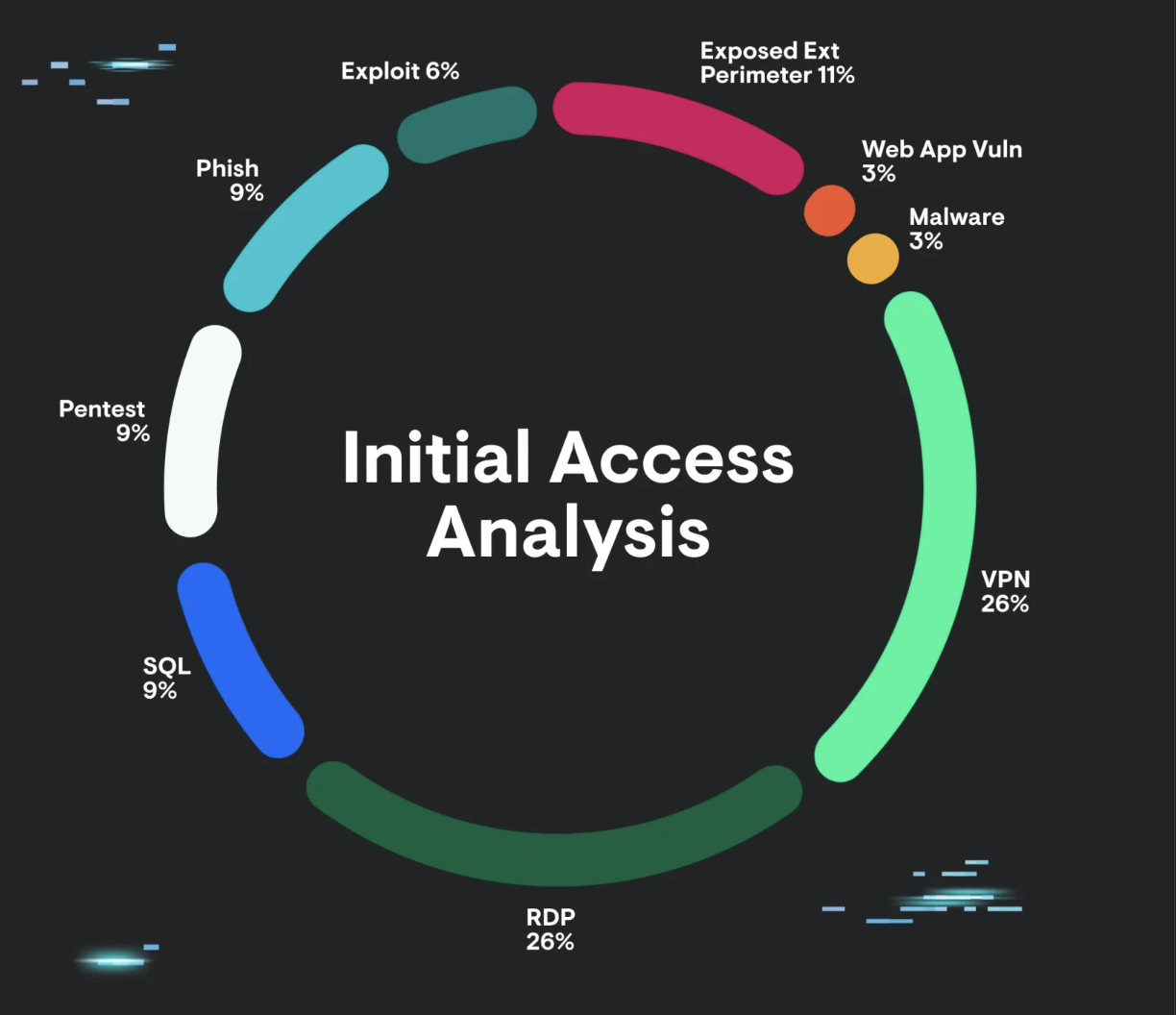 Figure 6: Distribution of initial access vectors from Huntress’ Tactical Response Team.
 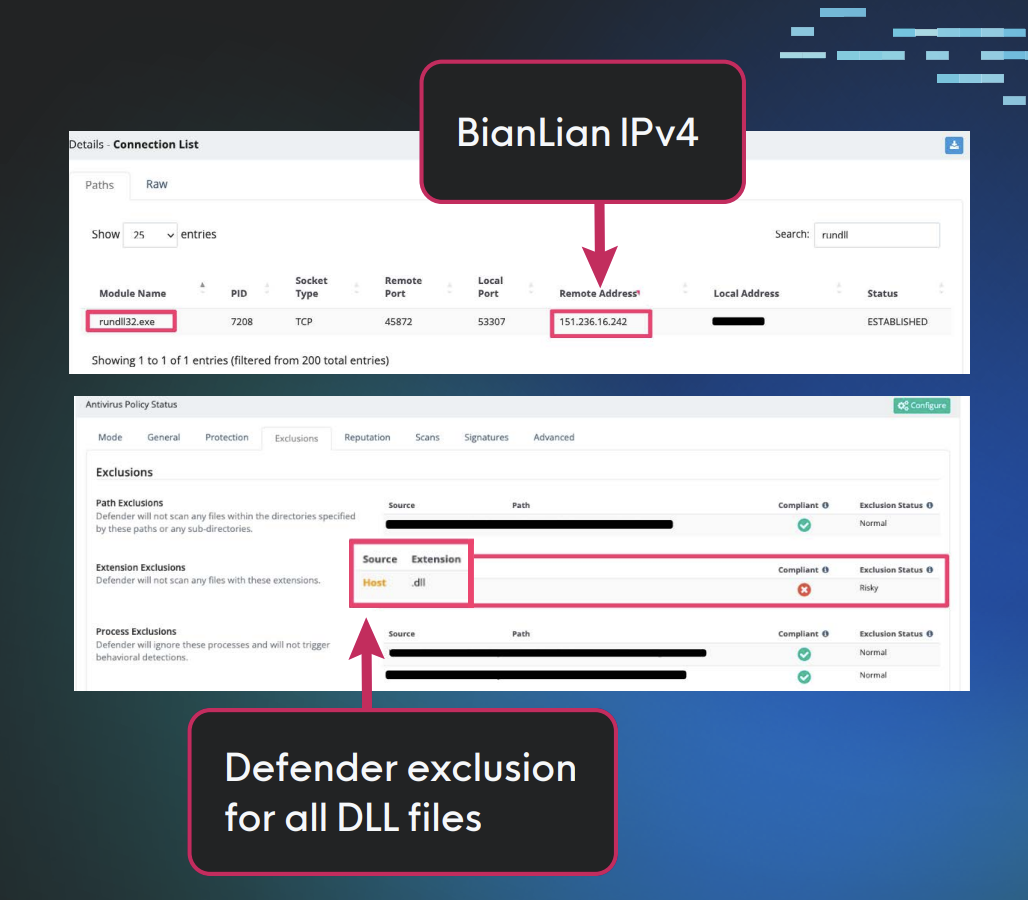 Figure 7: Example of Huntress flagging ransomware attacker tradecraft
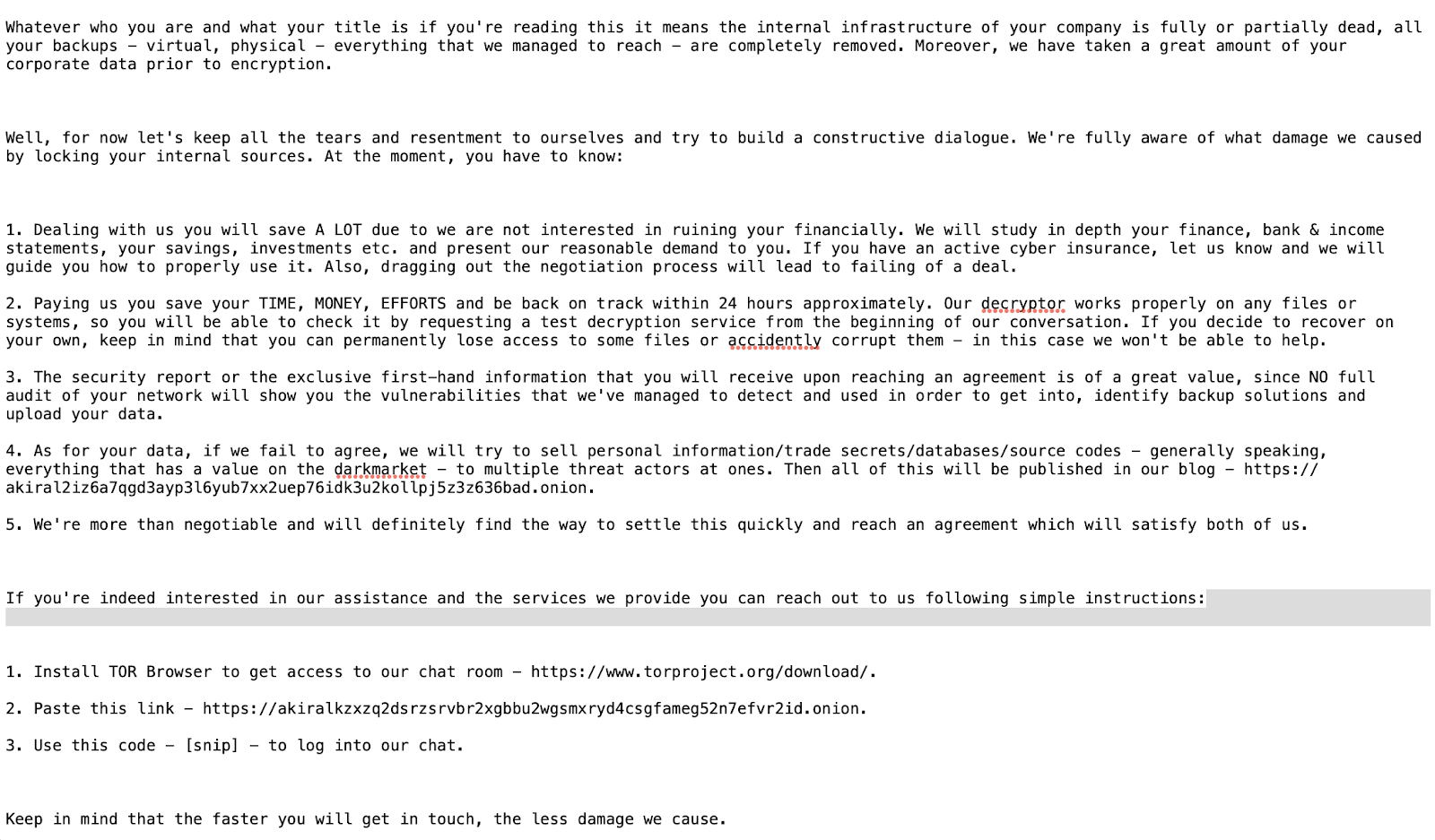 Figure 8: Example of an Akira ransom note.