

Add Cyber Experts to Your Arsenal
See how our global Huntress SOC can augment your team with 24/7 coverage and unmatched expertise.
Huntress Threat Library
Welcome to the Huntress Threat Library—your dynamic and continuously updated resource for navigating the complex cyber threat landscape. Access in-depth insights into vulnerabilities, malware, threat actors, ransomware, and data breaches. This library is designed to equip you with actionable intelligence and clear analysis, empowering you to understand the who, what, and how of the threats targeting organizations today.
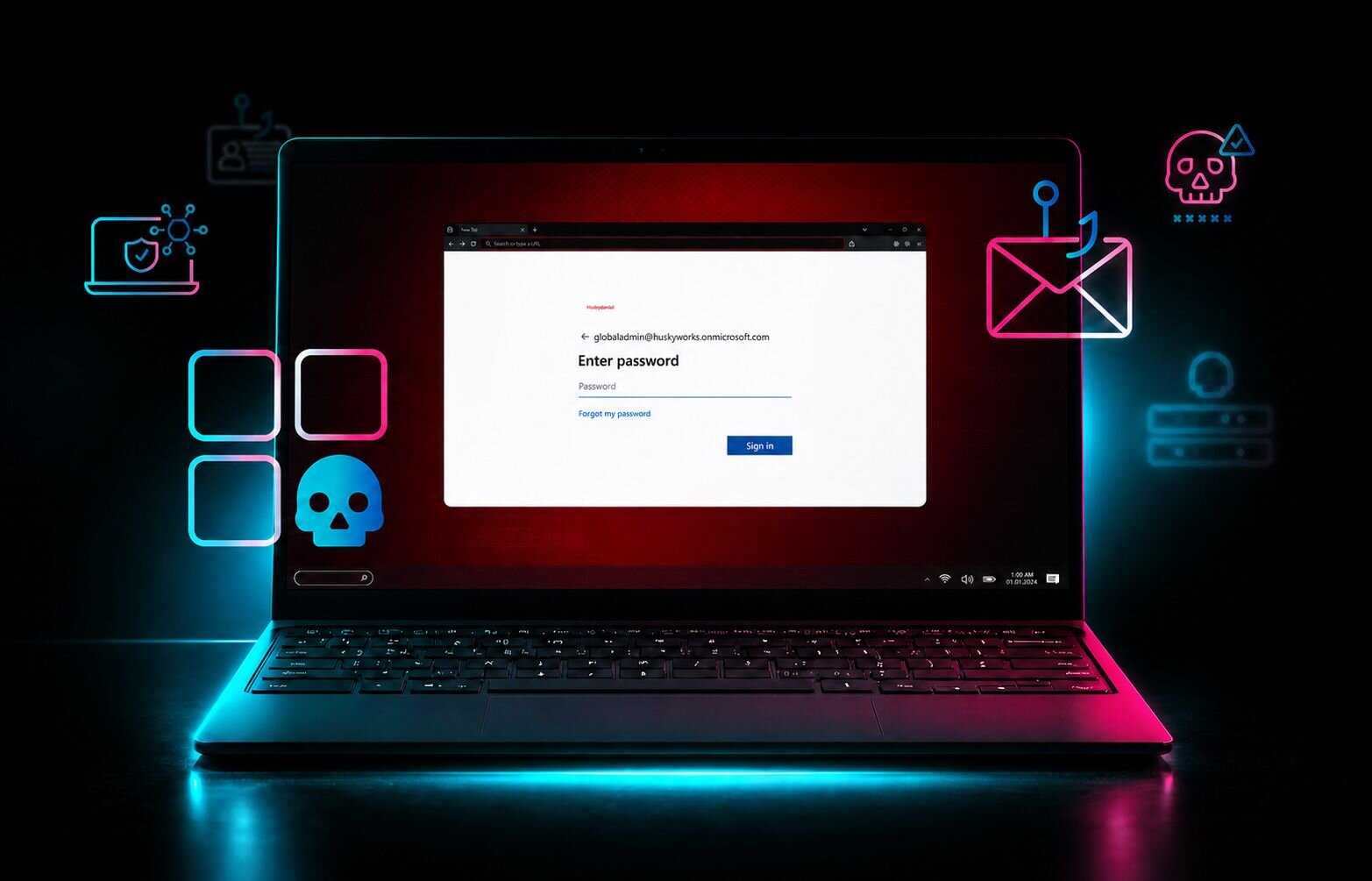





Unmasking the Adversaries. Gain critical intelligence on the most active Advanced Persistent Threat (APT) groups, cybercriminal organizations, and state-sponsored actors targeting the security supply chain. Understand their tactics, techniques, and procedures (TTPs) to anticipate their next move and strengthen your defenses.
Unveiling Malicious Code. Examine the full spectrum of malicious software, from stealers and droppers to banking Trojans. Gain a technical understanding of infection vectors and discover actionable remediation steps to neutralize threats effectively.
Addressing the Weak Links. Stay informed with up-to-date details on the latest zero-day exploits and patched vulnerabilities (CVEs). Assess risk levels and implement immediate mitigation strategies to reduce exposure and safeguard your systems.
Learning from the Past. Investigate the root causes and consequences of major security incidents. Leverage insights from past data breaches to identify common vulnerabilities and fortify your defenses against future attacks.
Not every sector faces the same threats. Each attracts distinct threat actors and attack patterns—shaped by the data they hold, the systems they run, and the disruption a successful attack causes. Below are the most active adversaries and prevalent attack types targeting each industry.
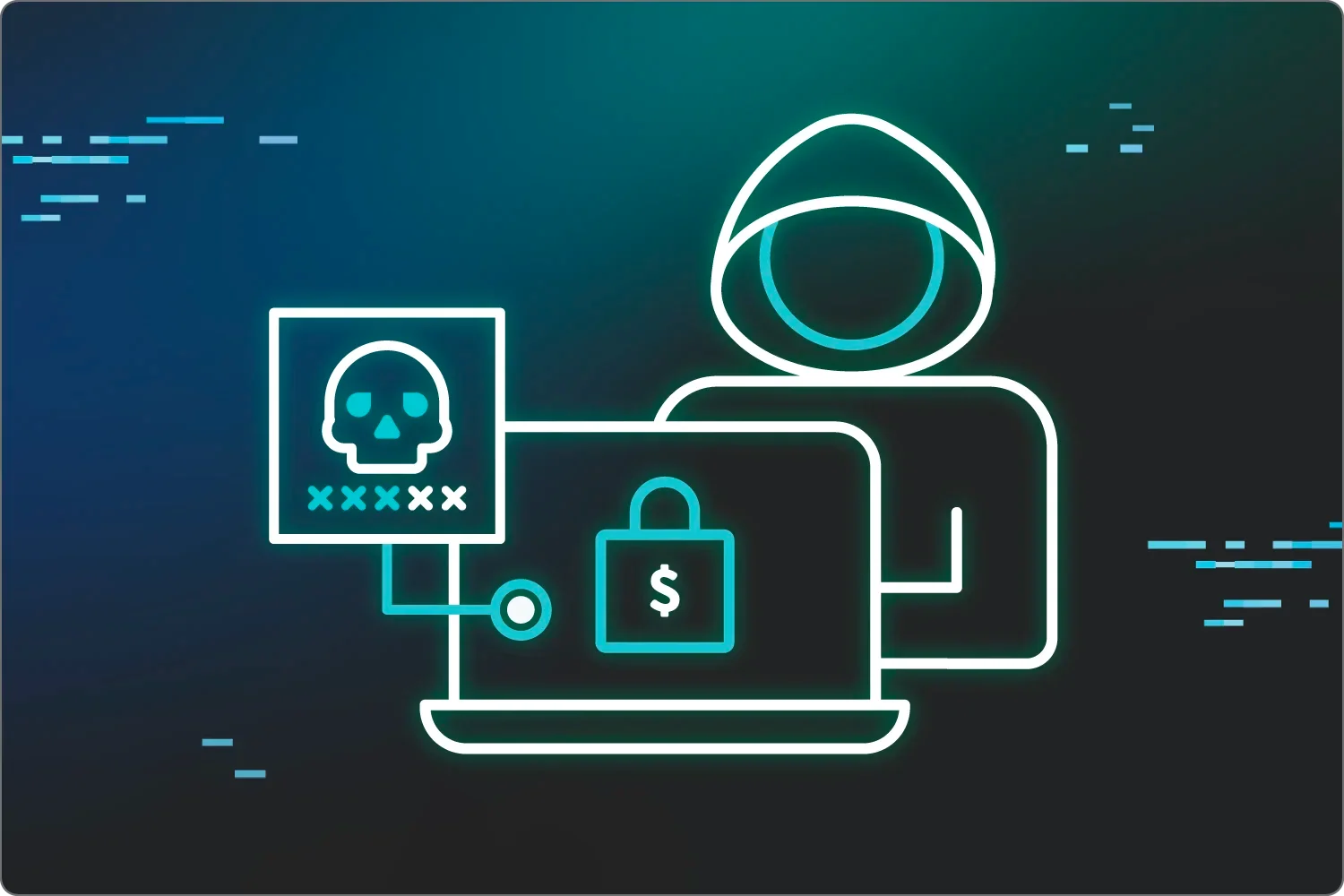
Lehigh Valley Health Network Ransomware Attack
Malware, or malicious software, is an umbrella term for any harmful program, including keyloggers, stealers, and Trojans. Ransomware, on the other hand, is a specific type of malware designed to encrypt data and systems, holding them hostage until a ransom is paid.
Indicators of a potential data breach include unusual network activity, such as unexplained spikes in outbound traffic, multiple simultaneous account lockouts, or unexpected changes to user privileges. You may also notice an uptick in targeted phishing attempts across your organization.
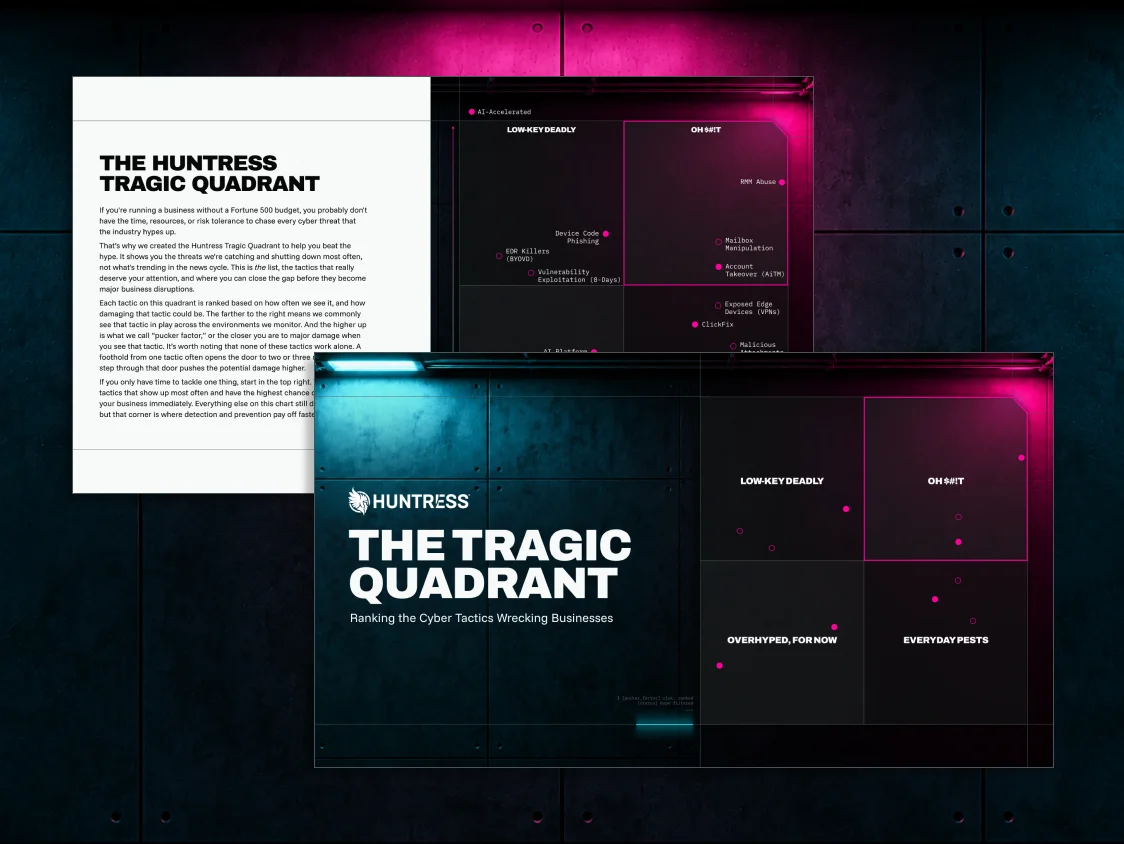
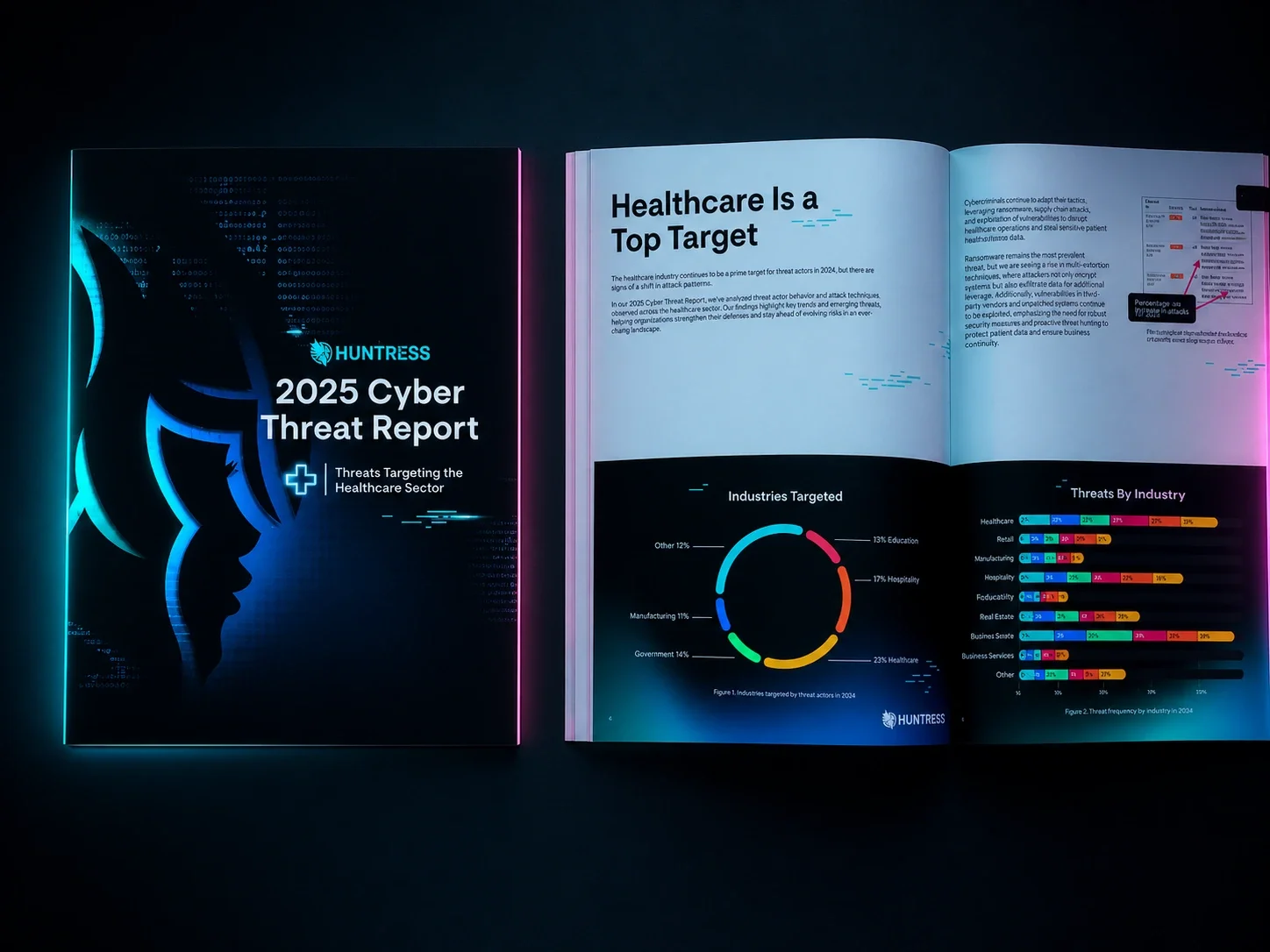
Threat Reports deliver aggregated data and proprietary research to provide actionable insights beyond the daily headlines. They help security leaders identify emerging trends, prioritize defense investments, and align their strategies to address the most pressing risks.
Leverage the library to prioritize your mitigation efforts. For instance, if a specific vulnerability is being actively exploited by a known threat actor, you can focus on patching that flaw across all external-facing systems as an immediate priority.