




Microsoft Defender sees a huge amount of attacker activity, and if you run Microsoft 365 E5 or Defender Suite for Business Premium, you're already paying for that visibility. But when Defender flags a potential attack, someone has to open the incident, understand what happened, and decide how to respond while the attacker is still inside.
That someone can now be the Huntress SOC. Through an expanded integration, Huntress now ingests incidents from across the entire Microsoft Defender ecosystem so our analysts can investigate what Defender finds, determine whether there's an active threat, and respond to the attack. Your team gets 24/7 SOC support for Microsoft security tools, without having to investigate and respond to those incidents on your own.
"Attackers don't care how big a company is, and neither should the quality of its defense. We integrate with the Defender Suite because organizations of every size need defense in depth, and the signals Microsoft customers already own make that defense stronger. The results are already real: Defender Suite signal helped us uncover a token-replay campaign that compromised 97 accounts across 79 organizations. That's what defense in depth looks like when the layers work together."
Adam Bates, Vice President of Product Management, Huntress
Full Defender Ecosystem Visibility Actioned By The Huntress SOC
Huntress has always leveraged Microsoft signals from Defender for Endpoint and Microsoft Defender Antivirus. Now, the Huntress platform has expanded our integration to bring the rest of the Defender suite along.
Defender for Identity, Defender for Office 365, Defender for Cloud Apps, and Entra ID Protection all send incident data and context to the Huntress Agentic Security Platform. A phishing email caught by Office 365, a risky OAuth app flagged by Cloud Apps, and a compromised-account verdict from Entra ID Protection all land in front of an analyst, even when no device is involved. Your team doesn't stitch these signals together or sort the queue by severity. Our SOC does that, then sends you a report that says what happened and what we did about it.
Expanded Detections to Catch More Attacks
When an attacker replays a stolen session token, no machine in your environment does anything wrong. The target is the account. That's typical of what Defender sees: 85% of medium- and high-severity incidents in a recent two-week period had no device-related evidence at all. So Huntress doesn't wait for a hostname. Each incident goes on the endpoints it involves, the protected identities it names, or both.
A Defender incident tells you what Microsoft concluded, but our analysts want to know what else happened. Using Defender's advanced hunting, the SOC can query the raw data in your own Microsoft tenant, going back as far as 30 days. An analyst can pull the process tree from the machine behind a credential theft alert, check whether the same tool turned up on other devices, or follow a suspicious sign-in to see what that account did next. Huntress sets its own per-tenant query limits so our hunting never eats into the Microsoft quota your other tools share. What you get back is a report built on what happened in your environment.
Real-world results that have already protected organizations
We've already put Huntress and Microsoft data to work against real attackers.
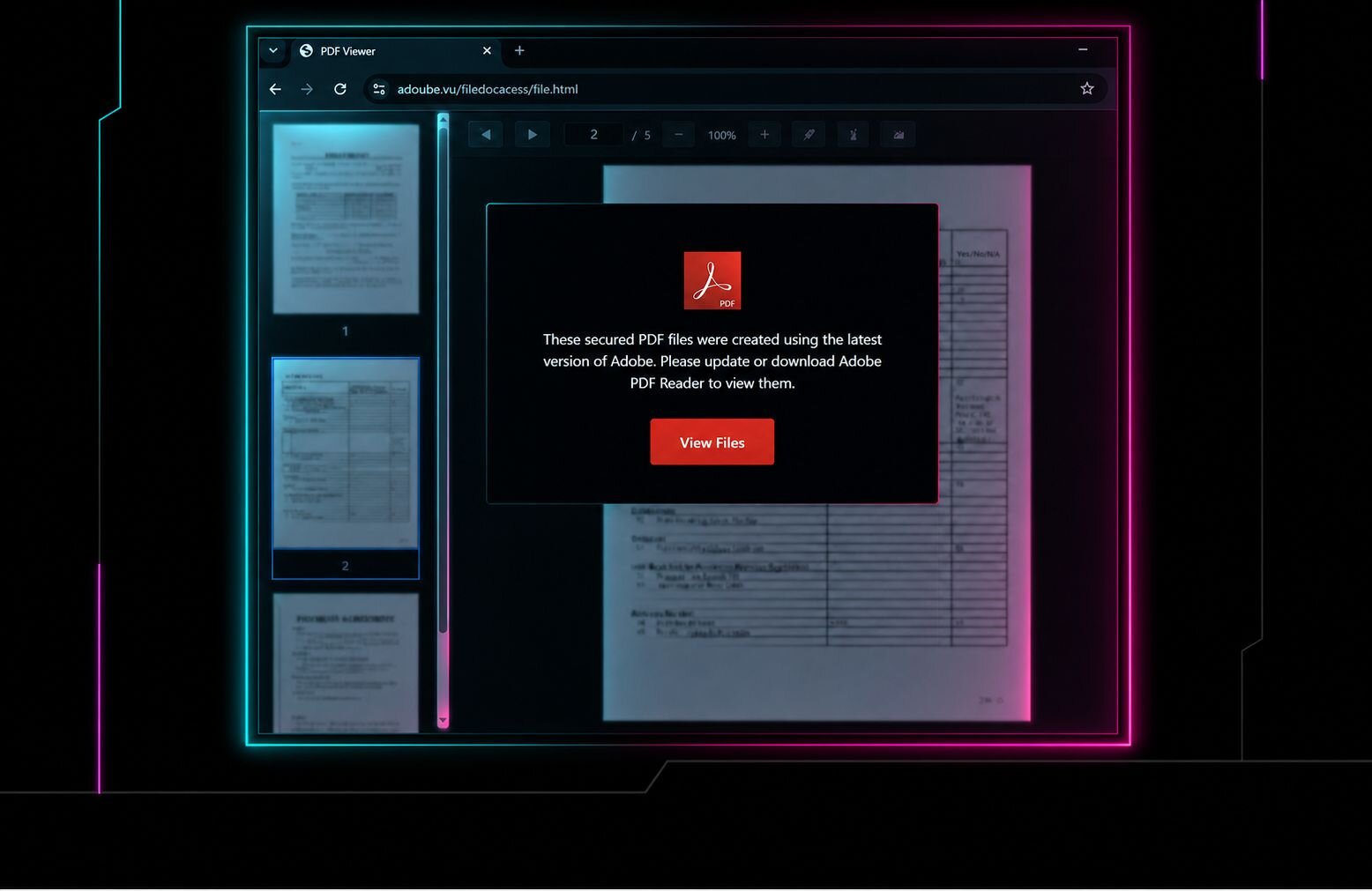
From July 14 to September 22, 2026, Huntress tracked a token-replay campaign targeting Microsoft 365 accounts across 79 organizations. The campaign was first surfaced by a Microsoft alert, backed by intelligence from the Microsoft Threat Intelligence Center (MSTIC). Attackers used techniques including adversary-in-the-middle phishing, where a fake sign-in page relays the victim's login to Microsoft and captures the session token issued after they complete MFA. By replaying that token, the attackers could access the account without entering a password or completing another MFA prompt.
WHAT HUNTRESS FOUND
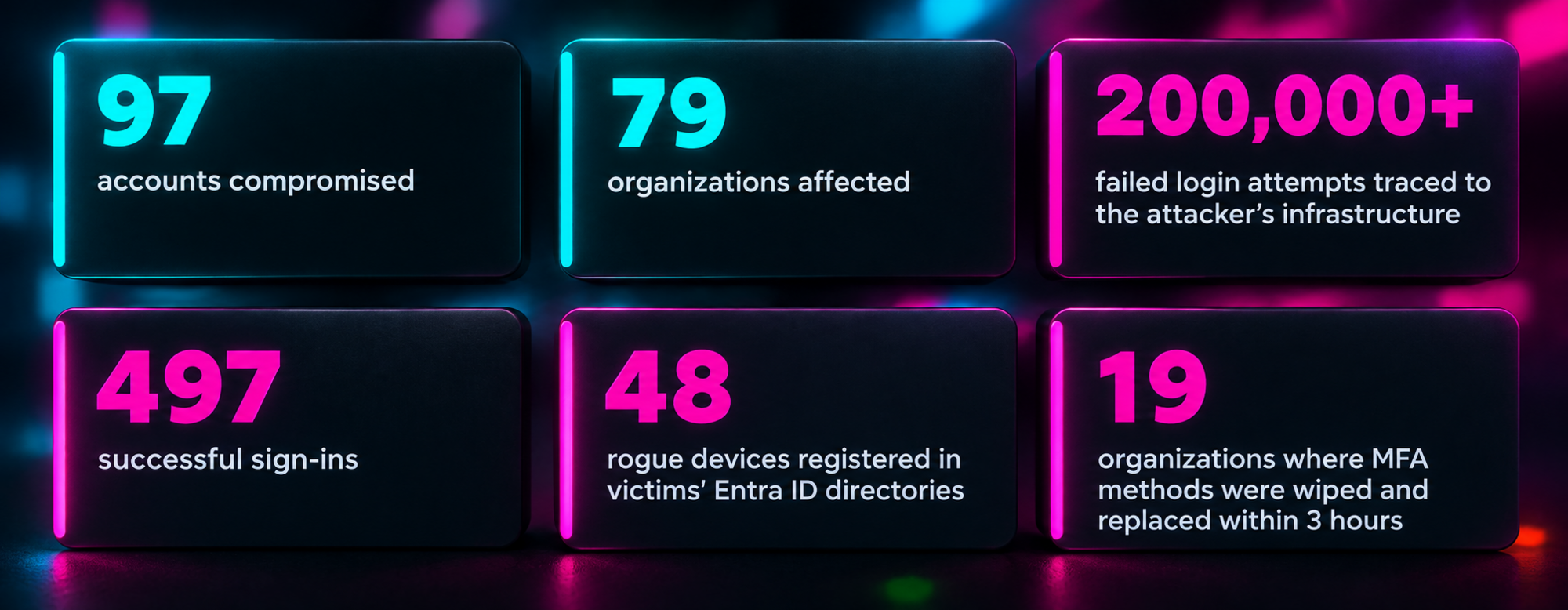
Figure 1: Overall statistics of the activity Huntress observed
The attackers gained access to accounts without compromising customer endpoints. Once inside, they registered rogue devices and their own authenticator apps to maintain access, then created inbox rules to hide their communications from the account owners. In one case, an attacker used a hijacked mailbox to send a payroll-related email to an outside accountant and hid the accountant's replies, giving the victim little chance to spot the exchange.
Huntress Managed ITDR detections first identified the activity, while Microsoft Entra ID Protection independently flagged the same attacker infrastructure as known threat actor IP addresses across multiple customer environments. Those Microsoft signals gave our analysts additional context on the activity they were already investigating, showing how the two sources can support the same investigation.
This campaign is the reason we rebuilt the pipeline. It now attaches incidents like these to identities and signals every affected account, including when one incident names several of them.
If you suspect a token replay compromise, revoke the user's sessions and reset the password. A reset alone leaves attacker-registered devices and MFA methods in place, so audit both in Entra ID afterward.
One more way Huntress strengthens your Microsoft security
Huntress has been helping organizations get more from their Microsoft security for a while now. This integration adds to what's already in place:
Investigating and responding to signals from Microsoft Defender for Endpoint and Microsoft Defender Antivirus, paired with Huntress's own endpoint telemetry. Because Huntress runs its own agent, the SOC can contain and remediate on the machine itself and doesn't stop at filing a ticket.
Managed ISPM hardens Microsoft 365 environments to protect against misconfigurations and over-privileged accounts before an attacker can use them as a way in. It helps organizations implement best-practice controls and Conditional Access Policies, stay ahead of configuration drift through continuous enforcement, and improve their Microsoft Secure Score.
Managed ITDR stops identity attacks in Microsoft 365 as they unfold, to deliver identity protection for attacks like credential theft, session hijacking and rogue OAuth apps. Its new Adversary Infrastructure capability takes one organization's incident and turns it into a Conditional Access block across every eligible, opted-in P1 tenant the same day.
Get full‑fidelity Microsoft security, operationalized for lean teams
If your Microsoft tenant and Defender for Endpoint is already connected to Huntress, Huntress is now automatically leveraging the extended set of your Defender ecosystem data. If you're new to Huntress, book a demo and we'll walk you through how we help you maximize the value you receive from your Microsoft licensing.