




Don’t let overlooked obligations become incidents. Learn how.
Utility navigation bar redirect icon
Portal LoginSupportContact
Search
Close search
Huntress Logo in Teal
  • Platform Overview
    Managed EDR

    Get full endpoint visibility, detection, and response.

    Managed EDR

    Get full endpoint visibility, detection, and response.

    Managed ITDR

    Protect your Microsoft 365 and Google Workspace identities and email environments.

    Managed ITDR

    Protect your Microsoft 365 and Google Workspace identities and email environments.

    Managed SIEM

    Managed threat response and robust compliance support at a predictable price.

    Managed SIEM

    Managed threat response and robust compliance support at a predictable price.

    Managed Security Awareness Training

    Empower your teams with science-backed security awareness training.

    Managed Security Awareness Training

    Empower your teams with science-backed security awareness training.

    Managed ISPM

    Continuous Microsoft 365 and identity hardening, managed and enforced by Huntress experts.

    Managed ISPM

    Continuous Microsoft 365 and identity hardening, managed and enforced by Huntress experts.

    Managed ESPM

    Proactively secure endpoints against attacks.

    Managed ESPM

    Proactively secure endpoints against attacks.

    Integrations
    Integrations
    Support Documentation
    Support Documentation
    See Huntress in Action

    Quickly deploy and manage real-time protection for endpoints, email, and employees - all from a single dashboard.

    Huntress Cybersecurity
    See Huntress in Action

    Quickly deploy and manage real-time protection for endpoints, email, and employees - all from a single dashboard.

    Huntress Cybersecurity
  • Threats We Stop
    Phishing
    Phishing
    Business Email Compromise
    Business Email Compromise
    Ransomware
    Ransomware
    Infostealers
    Infostealers
    View Allright arrowView Allright arrow
    Industries We Serve
    Education
    Education
    Financial Services
    Financial Services
    State and Local Government
    State and Local Government
    Healthcare
    Healthcare
    Law Firms
    Law Firms
    Manufacturing
    Manufacturing
    Utilities
    Utilities
    View Allright arrowView Allright arrow
    Tailored Solutions
    MSPs
    MSPs
    Resellers
    Resellers
    SMBs
    SMBs
    Compliance
    Compliance
    What Gets Overlooked Gets Exploited

    Most days, nothing happens. But one day, something will.

    Huntress Cybersecurity
    Cybercriminals Have Evolved

    Get the intel on today’s cybercriminal groups and learn how to protect yourself.

    Huntress Cybersecurity
  • Pricing
  • Community Series
    The Product Lab

    Shape the next big thing in cybersecurity together.

    The Product Lab

    Shape the next big thing in cybersecurity together.

    Fireside Chat

    Real people. Real perspectives. Better conversations.

    Fireside Chat

    Real people. Real perspectives. Better conversations.

    Tradecraft Tuesday

    No products, no pitches – just tradecraft.

    Tradecraft Tuesday

    No products, no pitches – just tradecraft.

    _declassified

    Exposing hidden truths in the world of cybersecurity.

    _declassified

    Exposing hidden truths in the world of cybersecurity.

    Resources
    Upcoming Events
    Upcoming Events
    Ebooks
    Ebooks
    On-Demand Webinars
    On-Demand Webinars
    Videos
    Videos
    Whitepapers
    Whitepapers
    Datasheets
    Datasheets
    Cybersecurity Education
    Cybersecurity 101
    Cybersecurity 101
    Cybersecurity Guides
    Cybersecurity Guides
    Threat Library
    Threat Library
    Real Tradecraft, Real Results
    Real Tradecraft, Real Results
    2026 Cyber Threat Report
    2026 Cyber Threat Report
    The Huntress Blog
    Huntress Lands on the Microsoft Marketplace
    Huntress Cybersecurity
    Huntress Lands on the Microsoft Marketplace
    Huntress Cybersecurity
    How Huntress & DEFCERT Are Streamlining CMMC Assessment Prep
    Huntress Cybersecurity
    How Huntress & DEFCERT Are Streamlining CMMC Assessment Prep
    Huntress Cybersecurity
    Live Hacking Into Microsoft 365 with Kyle Hanslovan
    Huntress Cybersecurity
    Live Hacking Into Microsoft 365 with Kyle Hanslovan
    Huntress Cybersecurity
  • Why Huntress

    Go beyond AI in the fight against today’s hackers with Huntress Managed EDR purpose-built for your needs

    Huntress Cybersecurity
    Why Huntress

    Go beyond AI in the fight against today’s hackers with Huntress Managed EDR purpose-built for your needs

    Huntress Cybersecurity
    The Huntress SOC

    24/7 Security Operations Center

    The Huntress SOC

    24/7 Security Operations Center

    Reviews

    Why businesses of all sizes trust Huntress to defend their assets

    Reviews

    Why businesses of all sizes trust Huntress to defend their assets

    Case Studies

    Learn directly from our partners how Huntress has helped them

    Case Studies

    Learn directly from our partners how Huntress has helped them

    Community

    Get in touch with the Huntress Community team

    Community

    Get in touch with the Huntress Community team

    Compare Huntress
    Bitdefender
    Bitdefender
    Blackpoint
    Blackpoint
    Breach Secure Now!
    Breach Secure Now!
    Crowdstrike
    Crowdstrike
    Datto
    Datto
    SentinelOne
    SentinelOne
    Sophos
    Sophos
    Compare Allright arrowCompare Allright arrow
  • HUNTRESS HUB

    Login to access top-notch marketing resources, tools, and training.

    Huntress Cybersecurity
    HUNTRESS HUB

    Login to access top-notch marketing resources, tools, and training.

    Huntress Cybersecurity
    Partners
    MSPs

    Join our partner community to deliver expert-led managed security.

    MSPs

    Join our partner community to deliver expert-led managed security.

    Resellers

    Partner program designed to grow your cybersecurity business.

    Resellers

    Partner program designed to grow your cybersecurity business.

    Tech Alliances

    Driving innovation through global technology Partnerships

    Tech Alliances

    Driving innovation through global technology Partnerships

    Microsoft Partnership

    A Level-Up for Your Business Security

    Microsoft Partnership

    A Level-Up for Your Business Security

  • Press Release
    Huntress Announces Collaboration with Microsoft to Strengthen Cybersecurity for Businesses of All Sizes
    Huntress Cybersecurity
    Press Release
    Huntress Announces Collaboration with Microsoft to Strengthen Cybersecurity for Businesses of All Sizes
    Huntress Cybersecurity
    Our Story

    We're on a mission to shatter the barriers to enterprise-level security.

    Our Story

    We're on a mission to shatter the barriers to enterprise-level security.

    Newsroom

    Explore press releases, news articles, media interviews and more.

    Newsroom

    Explore press releases, news articles, media interviews and more.

    Meet the Team

    Founded by former NSA Cyber Operators. Backed by security researchers.

    Meet the Team

    Founded by former NSA Cyber Operators. Backed by security researchers.

    Careers

    Ready to shake up the cybersecurity world? Join the hunt.

    Careers

    Ready to shake up the cybersecurity world? Join the hunt.

    Awards
    Awards
    Contact Us
    Contact Us
  • Portal Login
  • Support
  • Contact
  • Search
  • Get a Demo
  • Start for Free
Portal LoginSupportContact
Search
Close search
Get a Demo
Start for Free
HomeBlog
5 Email Phishing Techniques: Examples & How to Spot Them
Last Updated:
March 16, 2026

5 Email Phishing Techniques: Examples & How to Spot Them

By:
Lindsey O'Donnell-Welch
Share icon
Glitch effectGlitch effectGlitch effect

In this article, we break down five real phishing email examples using the latest email phishing techniques, and share the phishing red flags that can help you spot phishing emails before they cause damage. Picture this: it’s 4:59pm on a Friday, and you’re about to slam the work laptop shut for the weekend. You’ve got big plans that include going out to dinner with some friends, and one of them is texting you at this very moment, asking if you want a ride. 

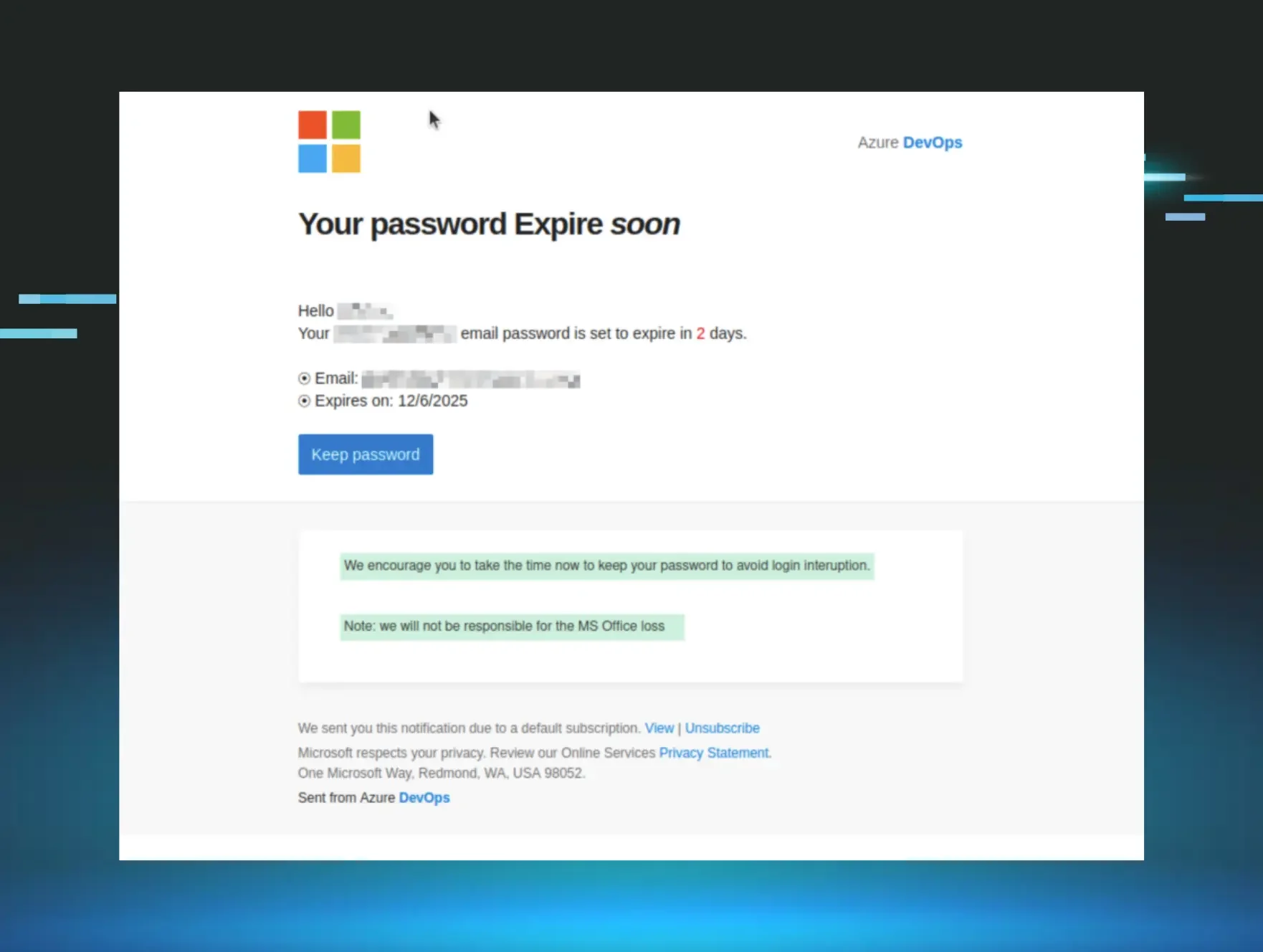
You’re about to log out of your email, but one last message popped up. You give it a quick glance and see the Microsoft logo at the top and fragments of an ominous note: “Password Expires” and “soon.” It clicks - your password is set to expire in two days. Your phone is still vibrating, and you need to go get ready for dinner, but you figure you should change it now so you don’t come back to a locked account on Monday morning. You mindlessly click the button in the email that says “Keep password” before entering your credentials on the webpage, closing your work laptop, and hurrying off.

It only took 60 seconds and an urgent message on a Friday night, but you’ve been phished. 
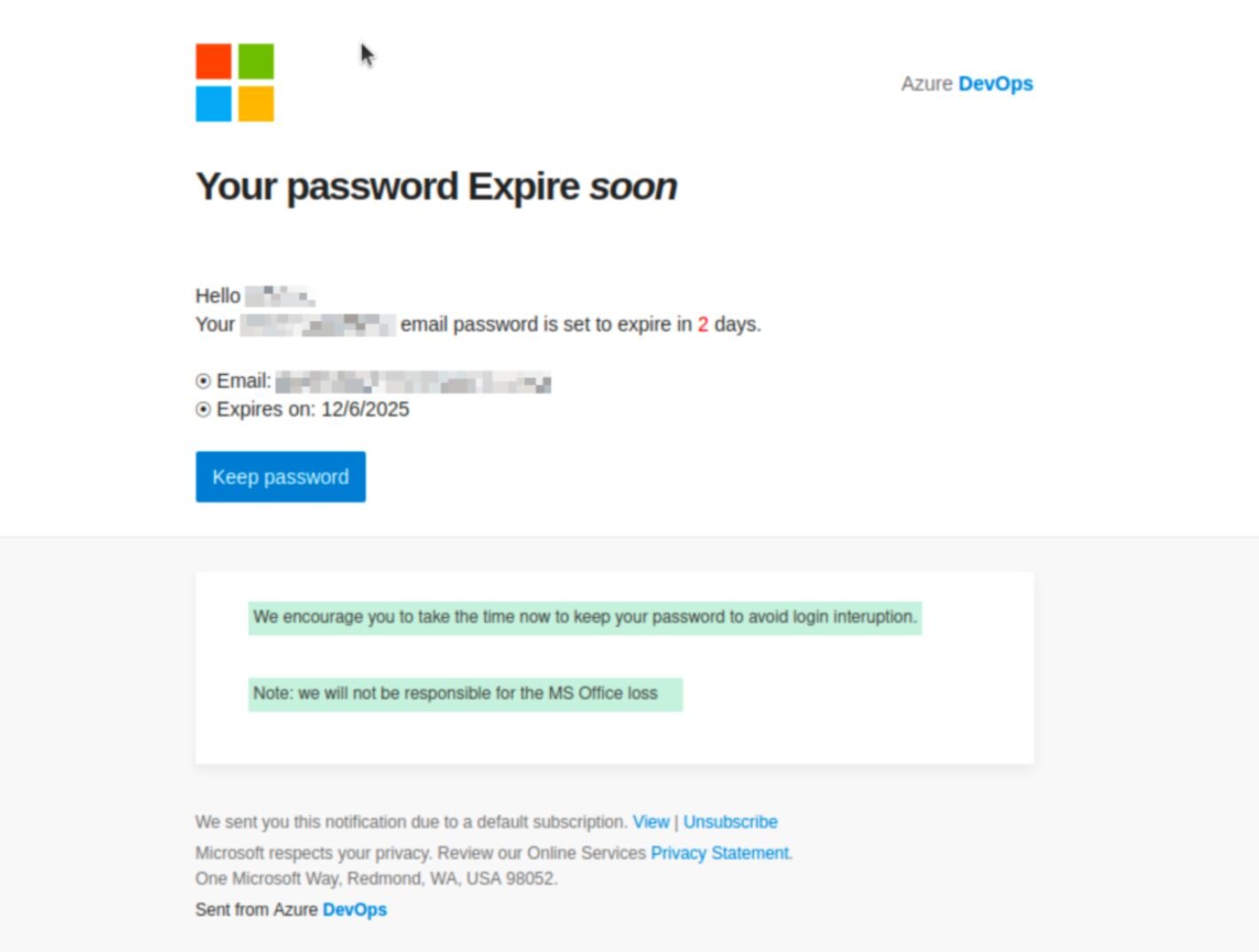
Figure 1: At the wrong moment, targets can fall for a phishing email with even the biggest red flags.

As it turns out, threat actors rely on these types of scenarios to dupe even the most wary of targets: a bit of distraction, a sense of urgency, and a familiar, trusted logo is oftentimes all they need to trick you into handing over your password. 

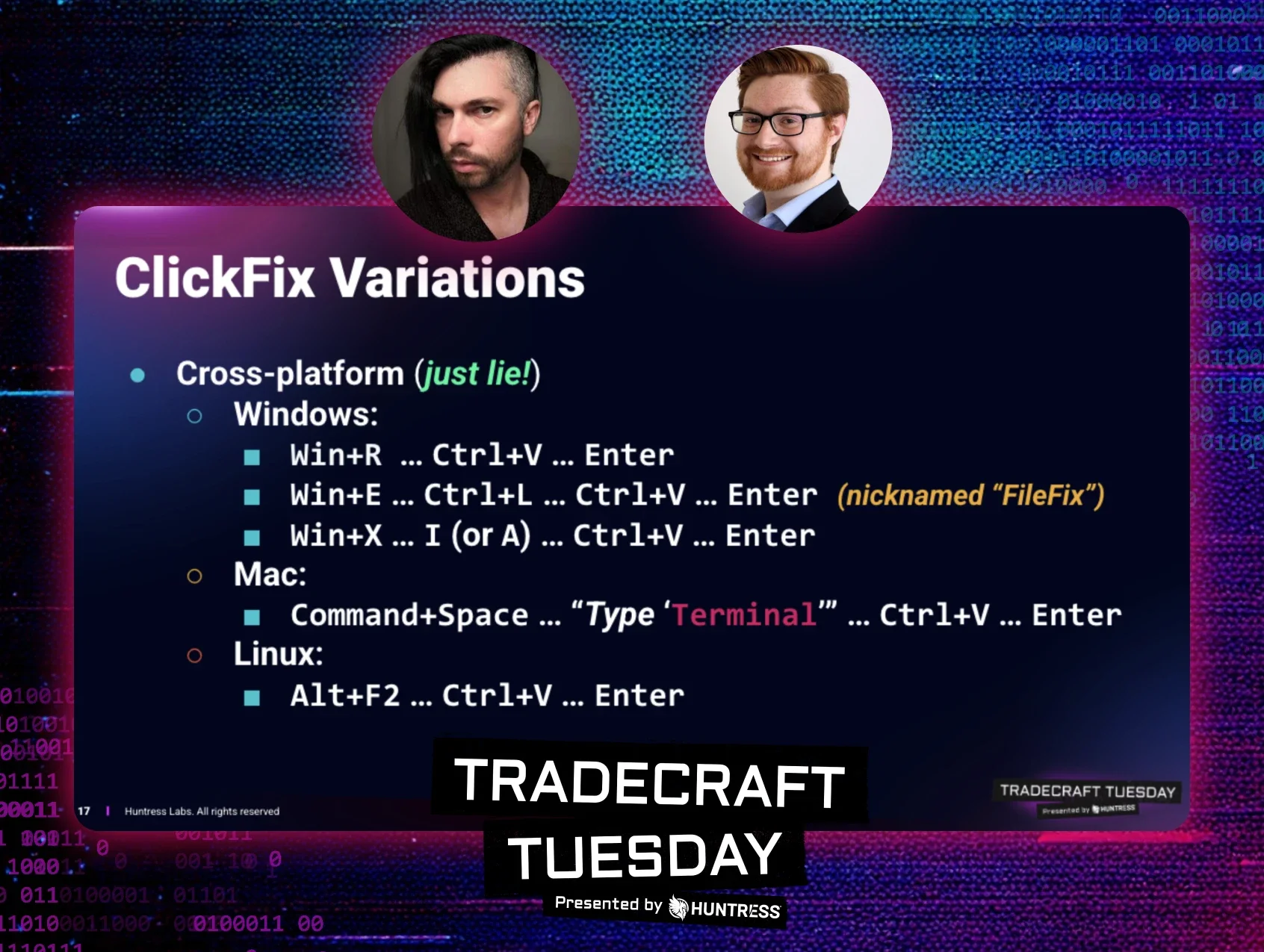
In our recent Tradecraft Tuesday episode, Truman Kain, Principal Product Researcher, and Lindsey O’Donnell-Welch, Technical Community Engagement Writer at Huntress, discussed the top five shadiest phishing tradecraft techniques they’ve seen this year at Huntress. Below are the tactics that are working for threat actors.


1.  Voicemail lures: A growing email phishing technique

Voicemail-themed phishing techniques exploit urgency by mimicking missed call notifications from trusted platforms. Scammers thrive on a sense of urgency, and what can be more pressing than a missed work phone call? This plays into the continued success of the voicemail lure, where attackers send “voicemail notifications” via email, telling targets they’ve missed a call and prompting them to “listen to the voice message” or “view the transcript.” Of course, whatever lure they may use convinces the target to interact with the email, which is typically designed to take them to a landing page and either enter their credentials or unwittingly download malware. 

Consider the email below, which tells targets they have a voice message on their office line, includes caller details like the caller ID, time, and duration, and tells them to download the attachment to listen to the voice message.
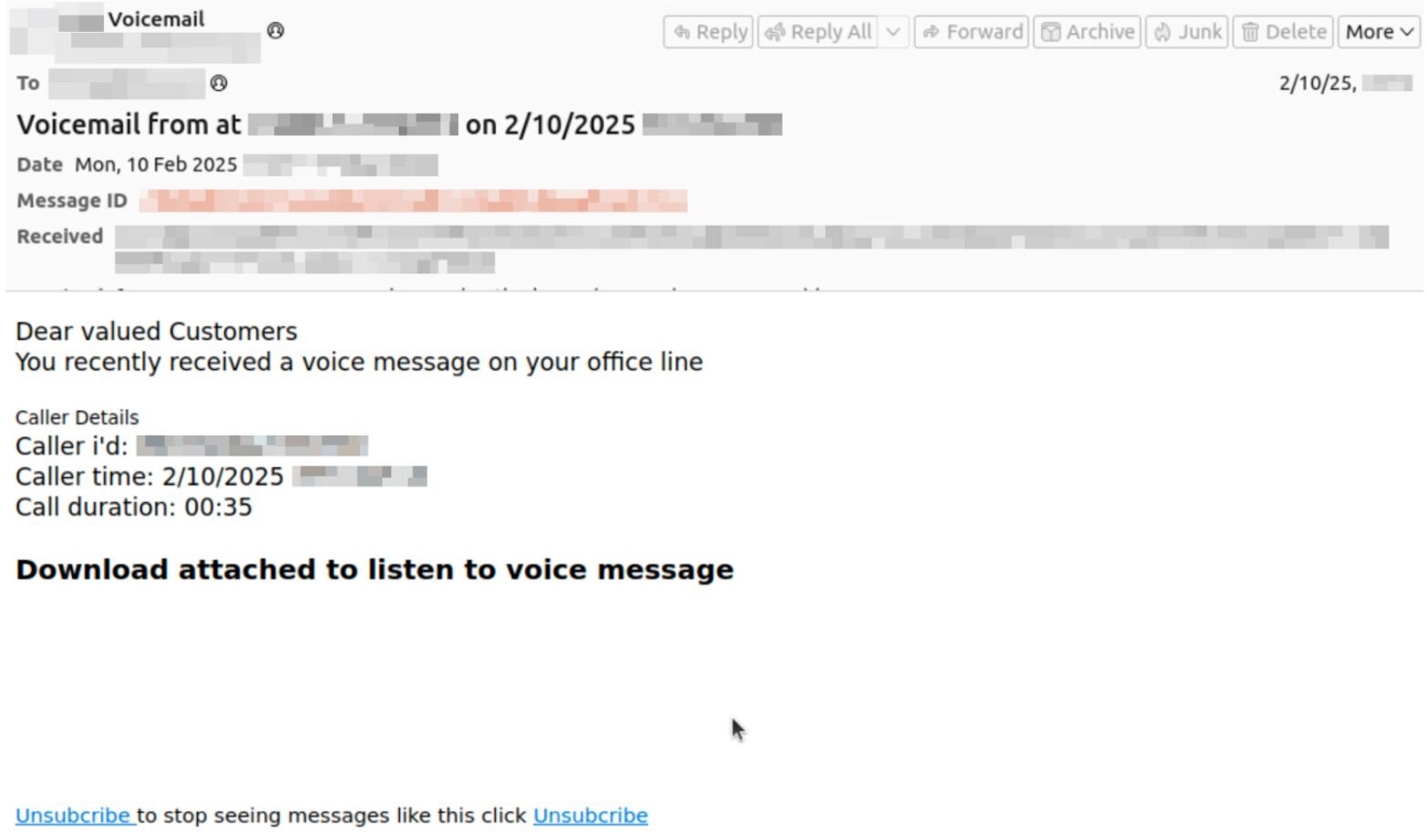
Figure 2: A voicemail phishing message complete with an SVG attachment 

The attachment in question is an SVG file, a popular image file format used for displaying graphics, charts, and other illustrations. It’s also a common type of attachment we see in phishing campaigns, along with other file formats like HTML, HTA, and LNK shortcut files.

For this specific phish, the attached SVG file opens in-browser and redirects the target to a fake Microsoft login page. The attack relies on Raccoon0365, a popular phishing kit, which gives attackers various capabilities, including the ability to attempt to pre-populate victim emails on the landing page to increase its credibility (see Figure 3 below).
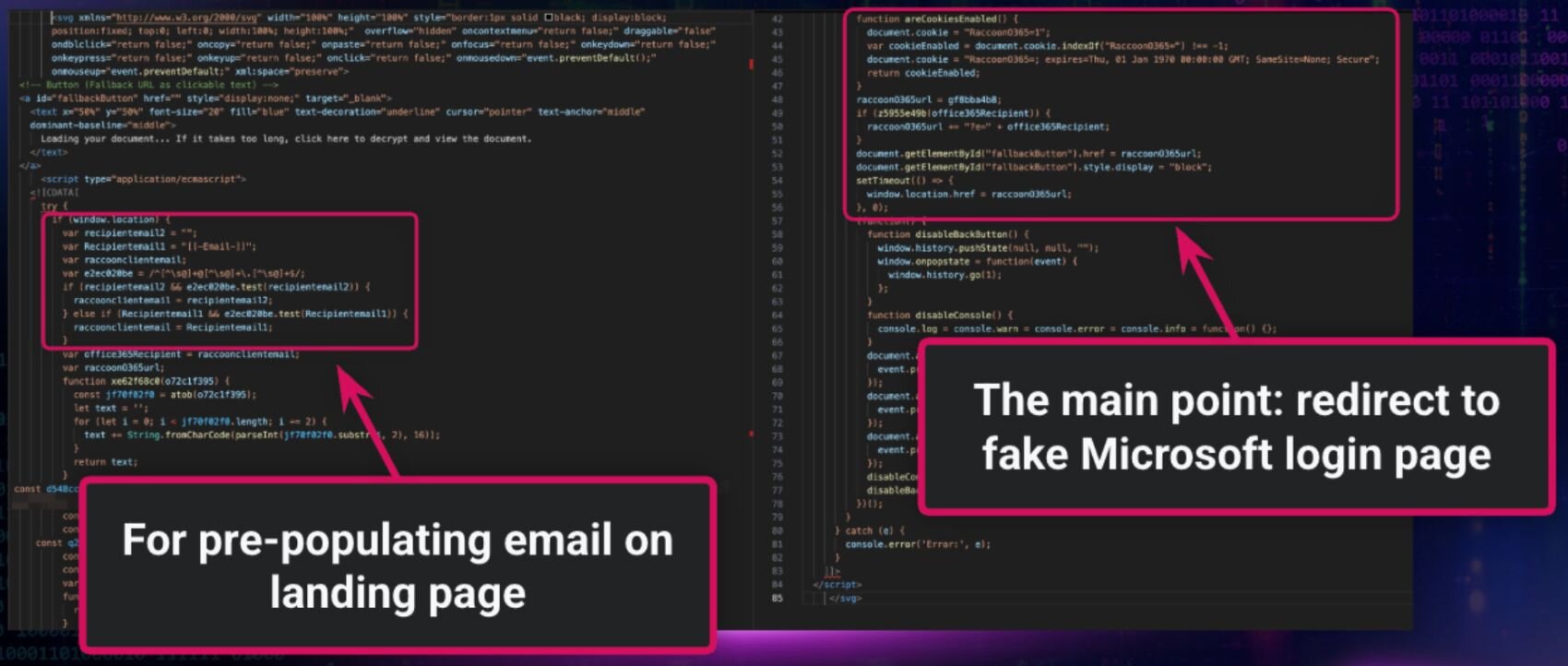
Figure 3: A closer look at the voicemail lure phishing page


Bonus tradecraft: In this example, threat actors obfuscated parts of the SVG file. This points to one specific way they’re attempting to circumvent email security gateways and other forms of detection. 


2. Callback phishing: A phishing email example hiding in plain sight

This email phishing technique skips the malicious link entirely—instead, the phishing email example provides a phone number to lure victims into direct contact. Another type of attack we’re seeing regularly is callback phishing, which involves an attacker sending an email that includes a phone number for the victim to call. The lure typically resolves around some sort of issue that the target needs to fix by calling the phone number. 

In the email below, the attacker claims to be from Visa (using the sender address no-reply@globalclient.visa.com) and informs the target that they have made a $699.95 payment. In order to cancel the payment, the recipient should contact a “support” number, says the email. The example below shows an email sent to an Australian user, and the phone number is formatted accordingly. 
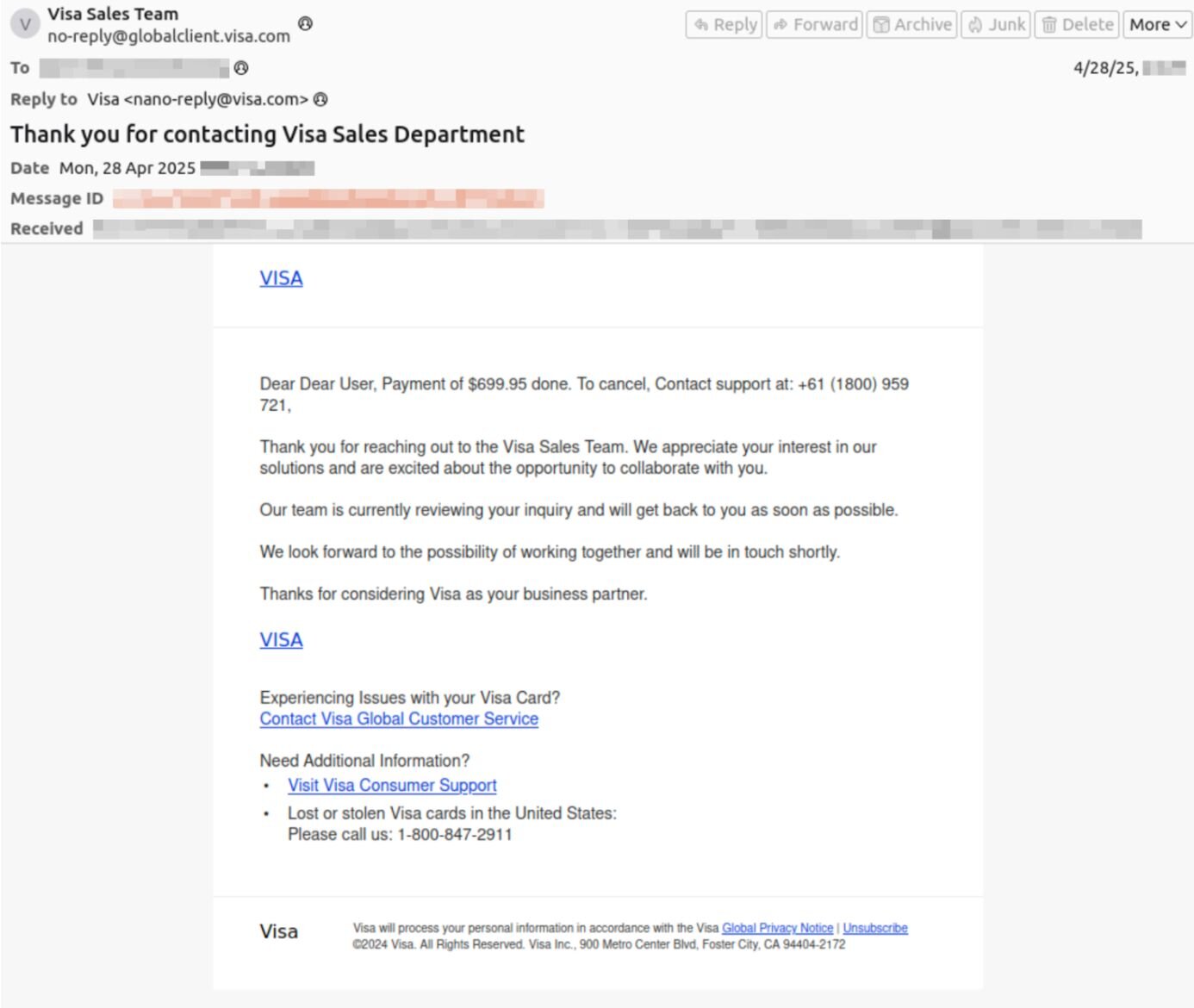
Figure 4: A callback scam phishing email

After the target calls the phone number, they are presumably convinced by scammers to hand over personal or financial information.

Bonus tradecraft: Many threat actors use canned text for parts of their messages, which you can see in the example above. The first part of the message is very different from the second part, which includes a more formal tone and a different phone number.  


3. Microsoft (and other brands): Phishing red flags in brand impersonation 

Brand impersonation remains one of the most effective phishing techniques, and knowing the phishing red flags is the best defense. Many phishing emails try to build trusted brands into their lures, like Microsoft. In fact, Microsoft was a top common brand impersonated by threat actors during incidents (ahead of Docusign, Dropbox, and ShareFile). 

Consider the phishing email below, for example. The “Microsoft 365” email tells the target that their storage is full, and they need to “clear your cache in order to send and receive new emails.” Though the email header says the sender is “Microsof Teams Online” (note the spelling error), the email address is from Docusign (dse@docusign.net). 
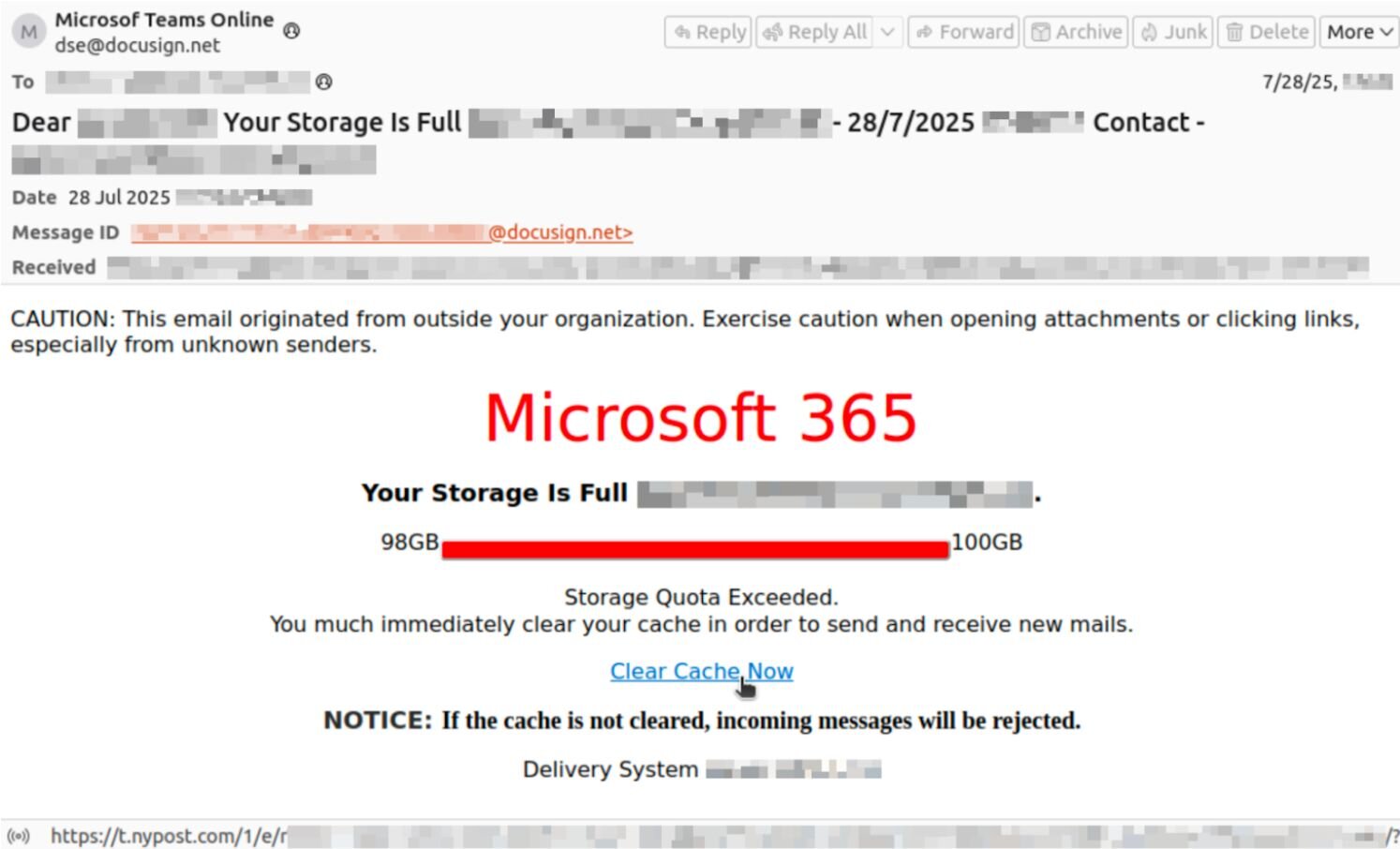
Figure 5: A Microsoft-themed phishing email that includes open URL redirect abuse

The threat actors behind the email are also using an open URL redirect. This technique of brandjacking abuses the fact that some websites accept URLs with redirects to other sites; attackers manipulate legitimate URLs, in this case linked to nypost.com, to redirect their targets. This effectively redirects the user from the legitimate NY Post website to the attacker-controlled site (which, in this example, is a fake Microsoft sign-in page at bodasyestilo[.]com). 

Bonus tradecraft: We’ve seen a ton of lures linked to Microsoft Teams in particular, including messages telling recipients to update to the latest Teams version or that they’ve been added to a new team within the app.


4. Shipping notifications: How to spot phishing emails from fake carriers

Fake shipping alerts are a classic email phishing technique—here's how to spot phishing emails disguised as delivery updates. Odds are you’ve come across a shipping notification-themed phishing message, which pretends to come from UPS, FedEx, or another shipping company. The emails tell victims they have a package waiting for delivery, or maybe their shipment is missing some information or has been delayed. 

The shipping notification email below pretends to come from FedEx, and urges targets to update their incorrect delivery details. 
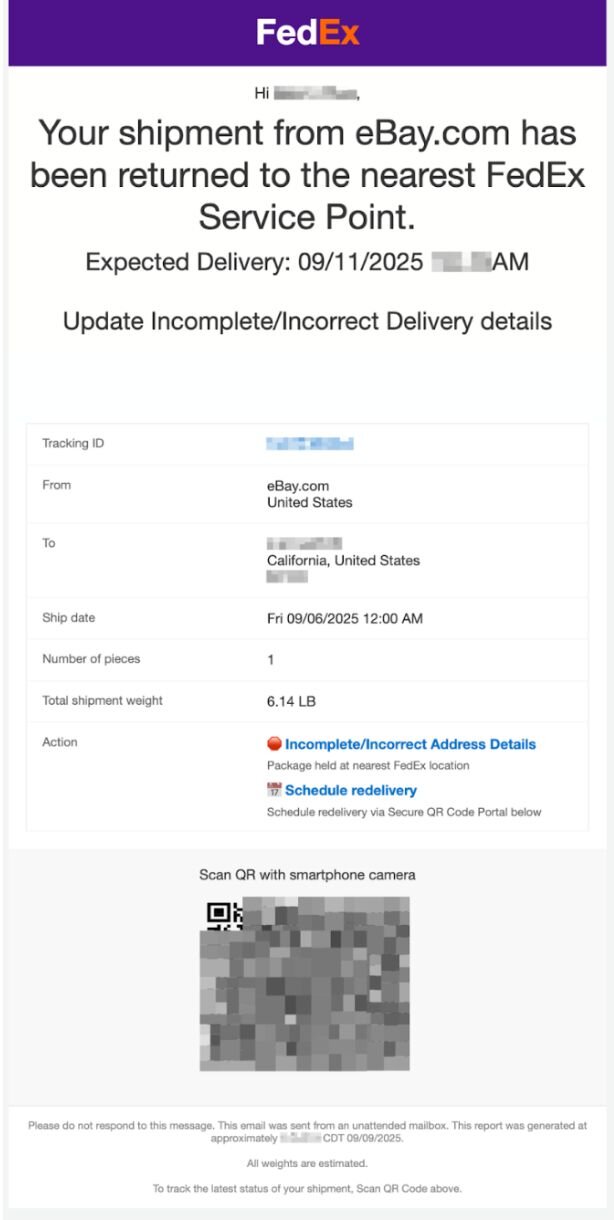
Figure 6: A FedEx phishing email with an ASCII QR code

Notably, this message in particular includes an ASCII QR code. The QR code isn’t a static image; rather, the threat actors are using ASCII characters. To the recipient, these characters display a QR code, but they aren’t picked up by security tools.

Bonus tradecraft: We see more of these types of attacks during the holidays when people are ordering a bunch of things.  


5. Living off trusted sites (LoTS): Advanced phishing techniques

Attackers are finding success in using a technique called Living off Trusted Sites (LoTS). While many phishing emails lead victims directly to an attacker-owned landing page, LoTS involves an email that then leads targets to a legitimate trusted site (like Dropbox, Canva, or Docusign), before then taking them to the malicious site. 

For instance, the email below from prototyping tool Figma (no-reply@email.figma.com) tells recipients to “Review Funding” and directs them to the legitimate Figma website (figma.com). On the backend, threat actors have set up the webpage to tell victims to view a document–and that then takes them to a fake Microsoft login page. 
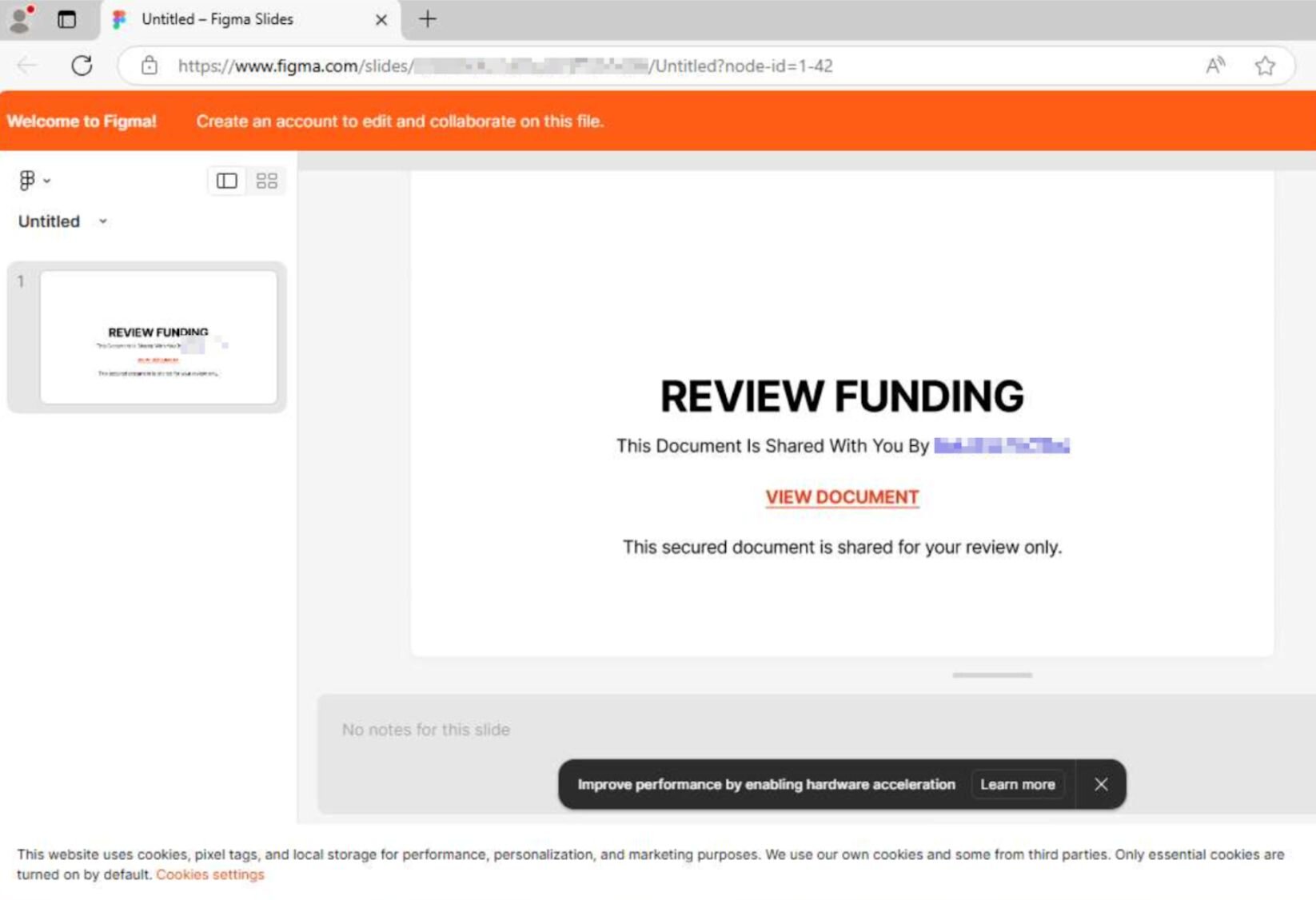
Figure 7: A legitimate website used in a LoTS attack

LoTS helps attackers evade detection because there are no initial red flags for end users, and the email appears to come from a high authority vendor. In this specific attack, the threat actors also use a form Cloudflare Turnstile between the legitimate Figma page and malicious landing page. The use of Cloudflare Turnstile or CAPTCHAs is another prevalent way attackers bypass security controls, because these typically aren’t marked by browser security scanning tools. 

Bonus tradecraft: LoTS has similarities to sender abuse or platform abuse techniques; however, these tactics are inherently different. Threat actors rely on sender abuse to send an email from a trusted sender, but the email is going to lead recipients directly to a malicious site. LoTS goes through the legitimate, actual trusted domain first, before bouncing users to malicious domains.


Don't get phished up: How to spot phishing emails before it's too late

Knowing how to spot phishing emails and recognizing phishing red flags is the most reliable defense against these evolving phishing techniques. While the phishing emails above have different flavors, the overall playbook is typically the same: threat actors are playing on emotions to convince targets to interact with their lures and finding small but successful ways to stay undetected.

While you shouldn’t mindlessly throw security to the wind–no one likes a serial clicker!–the fact of the matter is that we’re clicking through hundreds of messages a day at work. Even the most security-conscious people have fallen victim to phishing attacks. The best way to avoid phishing emails is to just check the website directly, rather than going through any link provided in the message. Got an email from Bank of America about a late payment? Log into your account through the actual website and see what types of notifications you get there. 

Something else to remember: employees may be the ones getting the phishing emails, but businesses bear responsibility in making sure that the right tools, technologies, and processes are in place to mitigate the impact of the eventual phishing message that will land in their workforce’s inboxes. Of course, managed security awareness training can help employees stay up to speed on the best way to detect these types of emails – and solidly understand what to do after a phishing message lands in their inbox. Other measures should also be in place, like email filtering, multifactor authentication (MFA), and a clear path for reporting phishing. (And, SMS phishing (smishing) follows the same playbook -- see our full breakdown.)

See how Huntress helps detect and stop phishing attacks with managed security awareness training.


Categories
Cybersecurity Education
Summarize this postClose Speech Bubble
ChatGPTClaudePerplexityGoogle AI

See Huntress in action

Our platform combines a suite of powerful managed detection and response tools for endpoints and Microsoft 365 identities, science-backed security awareness training, and the expertise of our 24/7 Security Operations Center (SOC).

Book a Demo
Share
Facebook iconTwitter X iconLinkedin iconDownload icon

We Are Huntress

Phishing is everywhere. But it can be prevented.

Phishing is a cyberattack (usually email-based) that occurs when threat actors disguise themselves as legitimate entities to trick users into revealing personally identifiable or sensitive information.Phishing is one of the most common tactics used by hackers because it's efficient and effective. With new tools and tech like AI at their disposal, hackers can now send out convincing phishing attacks to the masses with little effort required. The good news: we can be one step ahead.
Care is Compromised
Medical services are disrupted, causing treatment delays, misdiagnoses, and even spikes in mortality rates.
Data is Breached
Sensitive patient data can be stolen and used for identity theft, blackmail, or sold online.
Finances Take a Hit
Ransom payments, recovery costs, and lost revenue are just a few of the financial hits. And don’t forget potential HIPAA fines.
Patients Lose Trust
Your reputation can suffer, and when that happens, your patients will go elsewhere for care.
Legal Backlash
Lawsuits from patients affected by a breach aren’t uncommon. You may also face regulatory penalties for non-compliance with data protection laws.
Operational Chaos
Accessing patient records, providing emergency care, and communicating among your staff becomes far more complex.
Huntress is custom built for you. But don't take our word for it – hear directly from businesses like yours.
Try Huntress for Free

Huntress Managed EDR in action

See how our expert-led solution can help you stay one step ahead of threat actors—without overwhelming your in-house team or busting your budget.
Start a Free TrialSchedule a Demo
Glitch effect

You Might Also Like

  • Clearing the Air: Huntress Myths and Misconceptions

    We’ve been seeing some misinformation being spread around with regards to the Huntress technology stack/capabilities we possess today. We’re here to provide clarity.
  • Phishing in the Fast Lane: The Attacker’s Eye View

    Join Huntress team members as they walk through some of the most malicious phishing techniques, presented from the attacker's perspective.
  • 5 Phishing Email Scams and How NOT To Fall For Them

    Explore the art of phishing, learn how to spot common phishing scams and red flags, and understand the importance of security awareness training.

  • The Craftiest Trends, Scams, and Tradecraft of 2025 (So Far)

    John Hammond and Greg Linares with Huntress discuss the top tradecraft we’ve seen this year so far, from ClickFix attacks to deepfake social engineering
  • How a College Student Lost $10,000 to “The IRS”

    In this testimonial, learn firsthand from one of our Security Awareness Consultants at Curricula about how a fake IRS phishing scam worked on one student.
  • The ClickFix Attack That Wasn’t: From a Fake AnyDesk Installer to MetaStealer

    Learn how a fake AnyDesk installer led to a unique MetaStealer attack, highlighting how threat actors evolve ClickFix techniques beyond the classic playbook to steal credentials and files.
  • 7 Takeaways from the Executive Order on Improving Cybersecurity

    President Biden signed a 34-page Executive Order aimed at strengthening the nation’s cybersecurity standards. Here are the top seven takeaways.
  • Ask Huntress: Fake .XPS Invoice Leading to Credential Phishing

    Explore this phishing campaign used the age-old “Please remit payment” spiel to lure potential victims into opening the attached file.

Sign Up for Huntress Updates

Get insider access to Huntress tradecraft, killer events, and the freshest blog updates.
Privacy • Terms
By submitting this form, you accept our Terms of Service & Privacy Policy
Huntress Managed Security PlatformManaged EDRManaged EDR for macOSManaged EDR for LinuxManaged ITDRManaged SIEMManaged Security Awareness TrainingManaged ISPMManaged ESPMBook a Demo
PhishingComplianceBusiness Email CompromiseEducationFinanceHealthcareManufacturingState & Local Government
Managed Service ProvidersResellersIT & Security Teams24/7 SOCCase Studies
BlogResource CenterCybersecurity 101Upcoming EventsSupport Documentation
Our CompanyLeadershipNews & PressCareersContact Us
Huntress white logo

Protecting 242k+ customers like you with enterprise-grade protection.

Privacy PolicyCookie PolicyTerms of UseCookie Consent
Linkedin iconTwitter X iconYouTube iconInstagram icon
© 2025 Huntress All Rights Reserved.

Join the Hunt

Get insider access to Huntress tradecraft, killer events, and the freshest blog updates.

By submitting this form, you accept our Terms of Service & Privacy Policy