

The hiring process was once simply a competition for talent, but it’s become an escalating technological race defined by rapid automation and is being driven by developments in AI tools. I like to think of this as the “AI arms race in recruiting," which is marked by the competitive use of AI by both employers and candidates. The result is escalating complexity, speed, and, more alarmingly, risk across the talent-acquisition lifecycle.
Navigating this new landscape requires organizations to understand the specific tools and practices deployed on both sides. They must now recognize the high economic stakes and prioritize strategic, human-centered defenses to maintain quality and fairness in their hiring process.
AI offense and defense
The AI race in recruiting has become a vicious cycle of offense and defense, between candidates and hiring teams, requiring both sides to continuously adapt their tools.
Candidate offense: Optimizing to beat the bot
Candidates are using sophisticated tools, primarily large language models (LLMs), to gain an edge. This begins with resume optimization, where AI crafts flawless, keyword-optimized résumés and cover letters tailored to the job description requirements, helping them stand out from other candidates. On top of all the optimization, candidates now have their choice between a slew of automated application tools. They can just set their preferences, and boom, the bot submits countless applications on a job seeker's behalf.
Once candidates use these techniques to land an interview, this can escalate to content generation. Candidates can instantly generate high-quality, technically correct content for screening tests and take-home assignments, which previously required hours of personal effort and domain knowledge. This use of AI provides a massive—often invisible—competitive advantage.
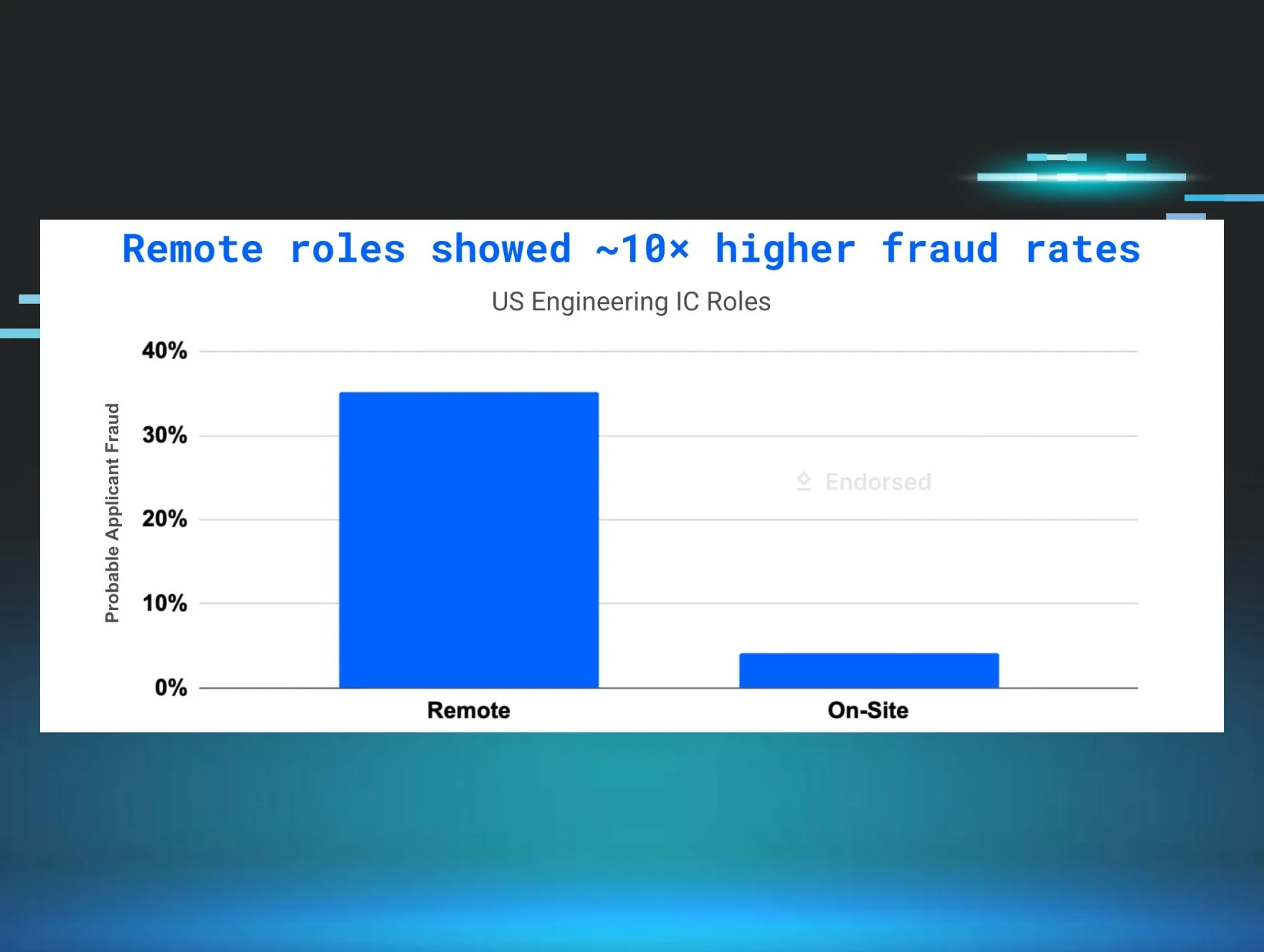
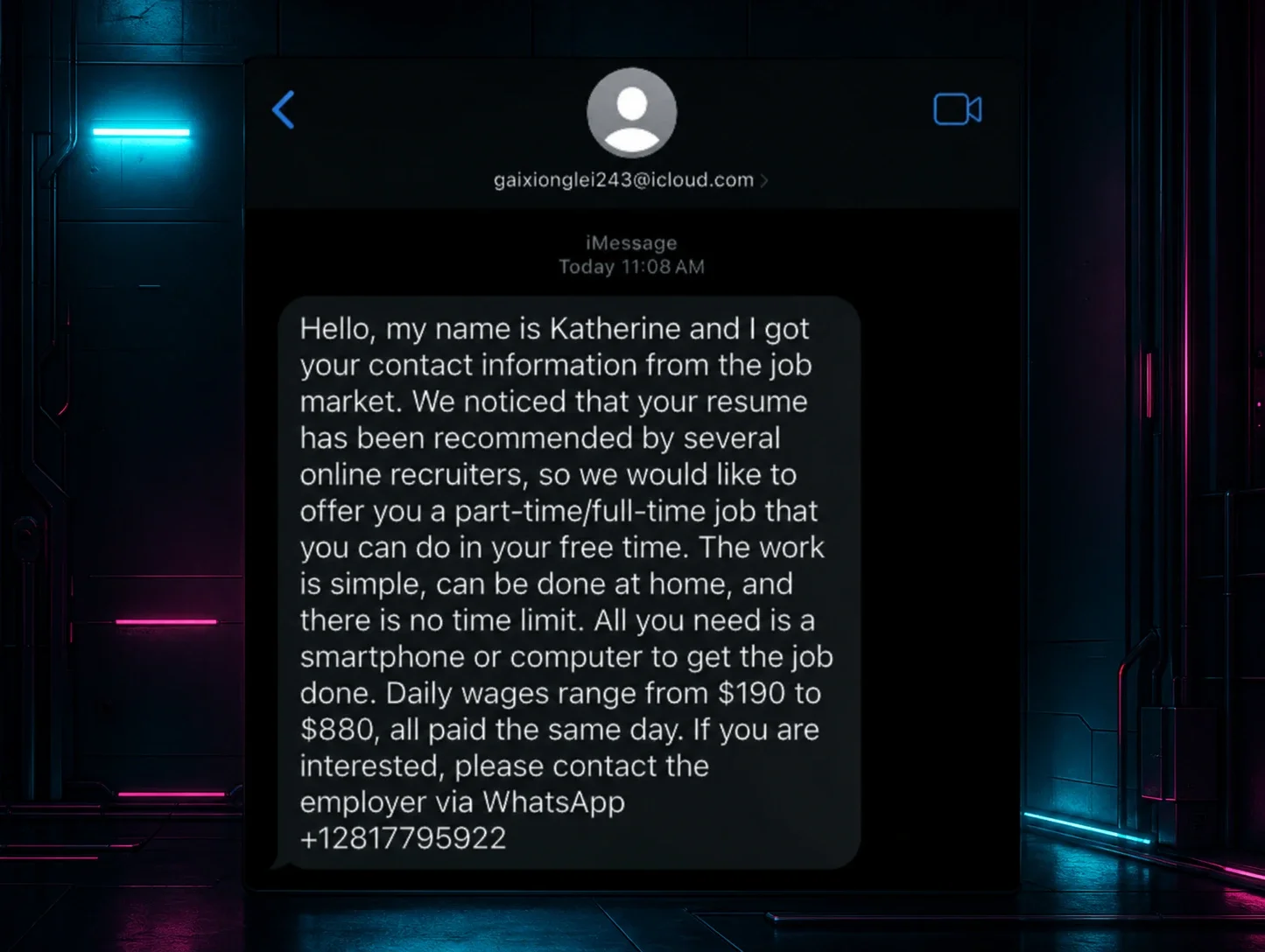
These tools have also given an instant edge to fraudulent candidates. It’s allowed them to easily and abundantly increase their ability to submit more applications, better tailor resumes, and land more interviews, significantly increasing the security-based risk in hiring.
Recruiter defense: The automated gatekeepers
Recruiters must, in turn, deploy counter-strategies to manage the fallout of these AI-driven advantages. Recruiters begin by deploying resume screening tools that use AI to handle the overwhelming volume of applications generated by these candidate bots and easily created content. These tools are more or less a requirement now to help surface top candidates and eliminate days of application review time.
Simultaneously, recruiters are also focusing on automated sourcing and pre-screening. Most sourcing tools, including LinkedIn, now have AI features that help source candidates more effectively by using plain text rather than building Boolean strings. Boolean strings are highly time-consuming, hyper-specific search queries built to either narrow or broaden a candidate search. Now, the right AI search tool can help recruiters streamline the pipeline as applicants flood it.
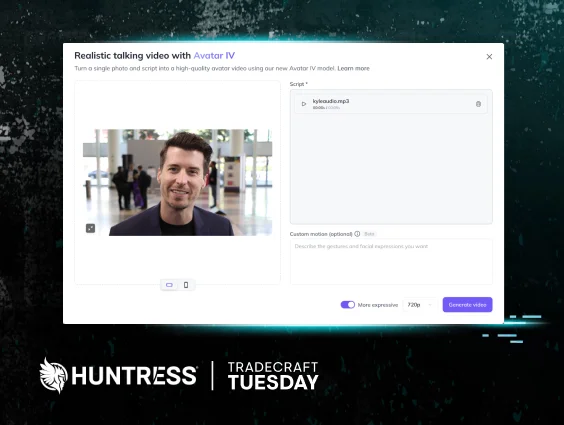
This all creates a continuous cycle of one step forward and two steps back. Candidates optimize their resumes and flood job postings with calculated, keyword-driven resumes. Hiring teams then attempt to battle back with their own AI tools, focusing on finding a few needles in a massive haystack. Further, employers must continue to tighten verification practices, while candidates, in response, may lean into deploying advanced deepfake tactics.
AI's economic impact
This technological race in recruiting is a direct reflection of broader economic shifts driven by AI.
The shift toward agentic AI has redefined the productivity landscape in 2026. Gartner predicts that roughly 40% of all enterprise applications will have embedded task-specific autonomous agents by the end of 2026, a massive leap from less than 5% in 2025.
According to McKinsey, 88% of organizations use AI in some capacity, and the focus has now shifted to value creation. McKinsey also states that "AI high-performers" are now seeing significant bottom-line impact, with 23% of companies successfully scaling autonomous agents to handle complex operations.
As a result, this'll create changing skill premiums in the workforce. Wages and demand are increasing for AI-complementary skills, such as critical problem-solving, digital literacy, and high adaptability, while workers in roles with high routine content may see wage stagnation or displacement.
For organizations, this also means balancing the friction created by this "AI arms race"—namely, the risk of making bad hires, cultural mismatches, and candidate drop-offs due to impersonal processes—with the potential efficiency gains and reduced time-to-fill.
The hidden costs: Quality, bias, and trust
The escalating use of AI presents significant risks that threaten to compromise both the quality and fairness of the hiring process.
As the volume of applications—many of which are low-relevance or AI-assisted—explodes, it becomes exponentially harder for recruiters to distinguish valuable signal from automated noise. This degradation of quality means that highly qualified, authentic candidates can be overlooked simply because the noise level obscures their true talent.
AI also exacerbates existing labor market inequalities. Uneven access is a major concern. Candidates with access to paid, specialized AI tools and training gain an immediate competitive advantage over those who don't.
Finally, there’s the risk of algorithmic bias. Screening tools, even if they’re designed to be objective, may embed or perpetuate existing biases in the training data, disproportionately favoring those who are best at "gaming" the system rather than those who are best suited for the job.
Deepfakes and insider risk
As we discussed in previous posts, there’s a much newer, but extremely serious, risk of AI-driven infiltration and insider threats. Malicious actors can now use deepfake identities to bypass interviews and security checks during the hiring process, gain access to corporate networks, and steal data, leak IP, or install malware from within the organization.
The ultimate risk of AI weaponization demands far greater scrutiny during the verification stage. Left unchecked, the overall loss of trust due to over-automation and lack of human-ness, combined with the presence of deepfakes, can erode an employer’s brand, dissuading authentic, qualified candidates from applying.
What this looks like in practice
These risks are already showing up in real hiring workflows.
In the first episode of _declassified, guest Jim Browning shared a deepfake interview scenario involving a candidate who looked convincing at first glance. The problem surfaced when Jim asked him to hold up three fingers in front of his face. The candidate became defensive and reluctant to do it. Deepfakes aren’t always obvious, but simple live prompts can reveal whether the person on screen is really who they claim to be.
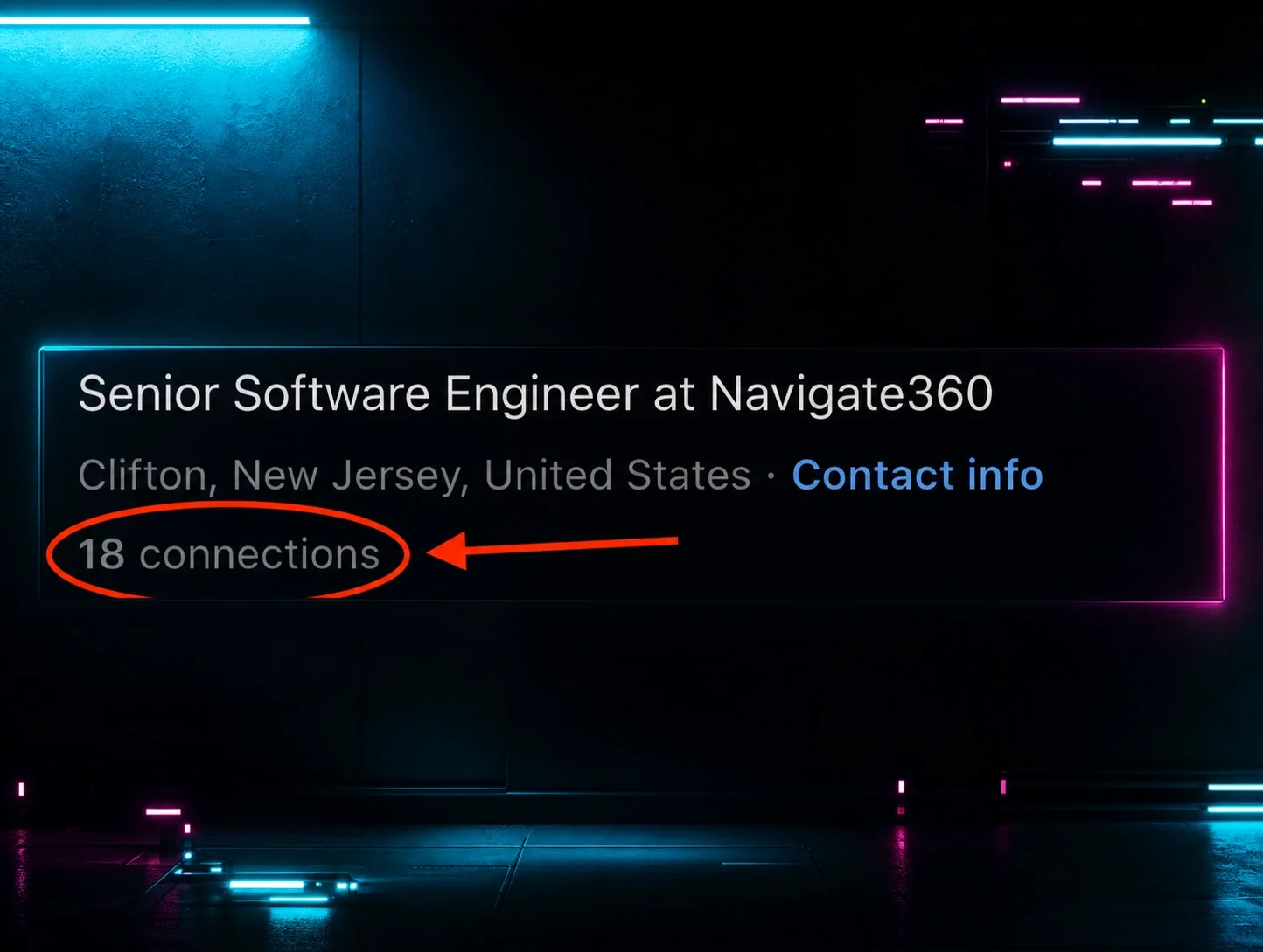
Huntress has also seen how easily a convincing identity can make it past early hiring screens. One applicant used another person’s LinkedIn profile to optimize their résumé and secure an interview. But when he joined the call, he looked nothing like the profile photo tied to the identity he claimed. The interview was ended immediately, but the situation showed us what’s quickly becoming the new normal: a polished résumé and a credible online profile are no longer enough to establish trust.
How to win the race responsibly
The key here isn’t in avoiding AI but in deploying it strategically and responsibly.
Reintroducing the human element
Organizations must focus on the following to ensure Authenticity First:
Human-centered design: Utilize AI to support recruiters, not replace human judgment, particularly when assessing key factors such as motivation and cultural fit.
Verification and transparency: Clearly communicate where AI is used and implement countermeasures to verify both identity and authentic work.
Verifying humanity and skill
The defense must become technological. To verify humanity and skill, companies should focus on:
Liveness detection: Employing tools that ensure the candidate in a virtual interview is a real, live human (not a sophisticated deepfake).
Contextual/spontaneous tests: Shifting assessments to focus on real-world problem-solving and spontaneous actions that are difficult for an LLM to script in real-time, effectively testing the candidate's applied intelligence rather than their ability to prompt an AI.
Sophisticated identity verification: Deploy and use sophisticated and multi-step identity verification tools throughout the entirety of the hiring process.
Focus on AI-fluency
Finally, organizations should redesign job postings and assessments to explicitly test for adaptability and digital fluency, the skills that thrive alongside and complement AI, rather than just routine tasks that AI can easily automate or generate. This is how quality hires are truly defined in the new economy.
Defining quality in the age of AI
The AI arms race is shaping the future of recruiting and hiring, forcing a continuous cycle of technological defense and human strategy. The stakes—economic growth, workforce quality, and corporate security—are too high to ignore.
The key to success isn’t in avoiding AI, but in using it responsibly to enhance human judgment, verify authenticity, and ensure fairness. This race won't just change how we hire, but it will fundamentally redefine what constitutes a quality hire.
Interested in joining our world-class team of ethical badasses? Check out the careers page here.

![The 36 Most Common Cyberattacks [2026]](https://cdn.builder.io/api/v1/image/assets%2F3eb6f92aedf74f109c7b4b0897ec39a8%2F36014deeb67545a0a0d94cdfa4b9b0db?height=10000)