
Explore our Ransomware Guide to learn about the threat it poses to your business, the effects of an attack, and what you can do to protect your endpoints.
Published: 12/2/2025
Written By: Lizzie Danielson
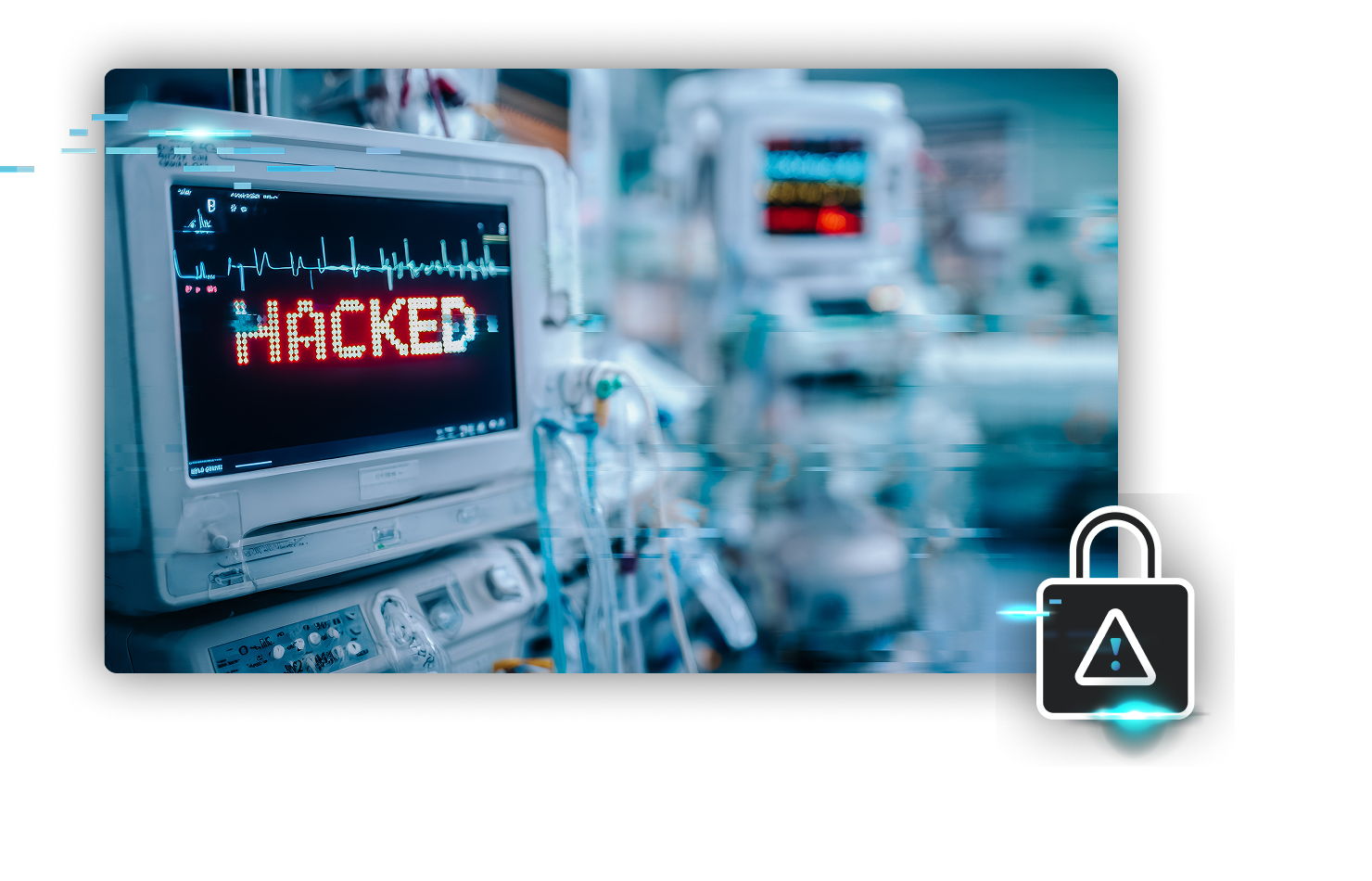
The Zoll Medical data breach was a severe ransomware attack that targeted Zoll Medical Corporation, a leading manufacturer of medical devices. The attackers aimed to access and encrypt sensitive patient and business data, making it inaccessible unless a ransom was paid. This ransomware attack mainly resulted in a significant data breach and raised critical concerns about cybersecurity vulnerabilities within the healthcare industry.
This ransomware attack unfolded in January 2023, when Zoll Medical detected unauthorized access to its servers. The breach lasted for several weeks before it was fully discovered and assessed.
The identities behind the ransomware attack on Zoll Medical remain unknown. However, it is suspected to be the work of a sophisticated criminal group targeting healthcare organizations for financial gain.
The attack began when threat actors breached the company’s systems, potentially exploiting vulnerabilities in the network infrastructure. After gaining access, they deployed ransomware to encrypt data, which included sensitive patient and employee information. The timeline of events shows delays in detection, allowing the attackers to exploit the systems comprehensively before recovery efforts were initiated.
The breach affected over 1 million individuals, primarily patients who relied on Zoll’s medical devices and services. The stolen data included names, Social Security numbers, dates of birth, and in some cases, medical information. This incident highlighted the increasing risk posed to the healthcare and medical technology sectors.
While specific ransom amounts have not been publicly disclosed, the attack appears to be financially motivated, as is typical with most ransomware incidents. Reports do not specify whether Zoll Medical paid the ransom or recovered data through other means.
The ransomware used in this breach demonstrated advanced encryption techniques that effectively locked targeted files. It is believed that the attackers exploited known vulnerabilities and employed phishing emails or unsecured remote access points to infiltrate the network.
The attack utilized classic ransomware TTPs, including initial infiltration through vulnerability exploitation, lateral movement within the network, and deployment of encryption payloads on critical systems. The attackers also likely exfiltrated sensitive data to further pressure the victim.
Key IoCs included unusual network traffic patterns, changes to file extensions indicative of encryption, and unauthorized access logs. Companies should monitor for these signs to identify ransomware activities.
The breach caused substantial system downtime, disrupted operations, and eroded trust among Zoll’s clients. Financial repercussions included legal costs and potential regulatory penalties. Furthermore, the exposure of sensitive patient data posed risks of identity theft and fraud.
Zoll Medical’s response included securing affected systems, engaging cybersecurity experts, and notifying patients about the breach. However, the slow discovery and containment of the attack underline the need for more robust breach detection technologies and incident response protocols.
While the specific ransomware attack on Zoll Medical is no longer active, the underlying threats to the healthcare industry persist. Cybercriminal groups continue to target organizations with weak cybersecurity practices, making preparedness crucial.
Conduct regular cybersecurity training for employees to recognize phishing attempts and suspicious activities.
Implement multi-factor authentication (MFA) to secure access to sensitive systems and data.
Regularly update and patch software and hardware to close vulnerabilities.
Perform routine security audits to identify and address potential weaknesses in infrastructure.
Back up critical data frequently and store it securely to mitigate the impact of ransomware attacks.
Invest in advanced breach detection systems and incident response tools to identify and resolve threats quickly.
Collaborate with industry peers and share threat intelligence to stay ahead of emerging risks.
Stay informed about Zoll Medical Data Breach and other cyber threats by visiting the Huntress Blog.
Learn more about ransomware protection strategies through these Huntress resources:
Ransomware is a type of malware that cuts off your access to computers, systems, or networks. Watch the video from our Security Operations Center (SOC) for a breakdown of the ransomware attack path, so you can spot it early, shut it down, and steer clear of hacker paydays.
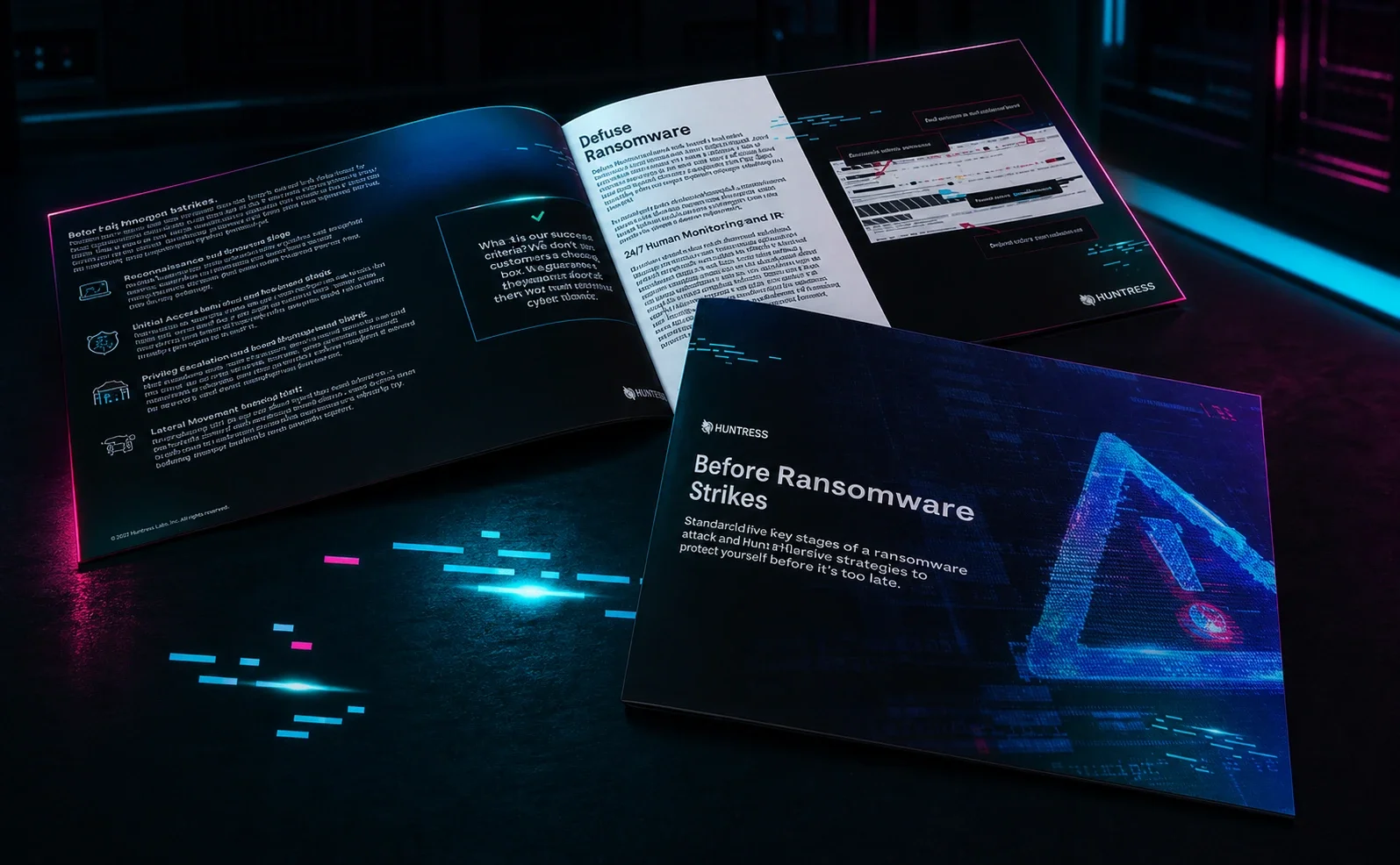
By the time you see the ransom note, the attack's been underway for hours, sometimes days. The encryption is the last step, not the first. If you only react when files lock up, you've already lost the part that mattered.
The attackers likely exploited system vulnerabilities or used phishing techniques to gain entry into Zoll Medical’s network before deploying the ransomware.
Decryption may be possible, but only if law enforcement agencies or cybersecurity firms develop specific tools for the ransomware strain. Victims are urged not to pay the ransom.
The primary victims were in the healthcare sector, highlighting the vulnerabilities of organizations managing sensitive medical data.
Businesses should prioritize regular data backups, implement active monitoring for suspicious activities, and conduct frequent cybersecurity audits to strengthen their defenses.