

Misconfigurations are widespread, and remediation is slow
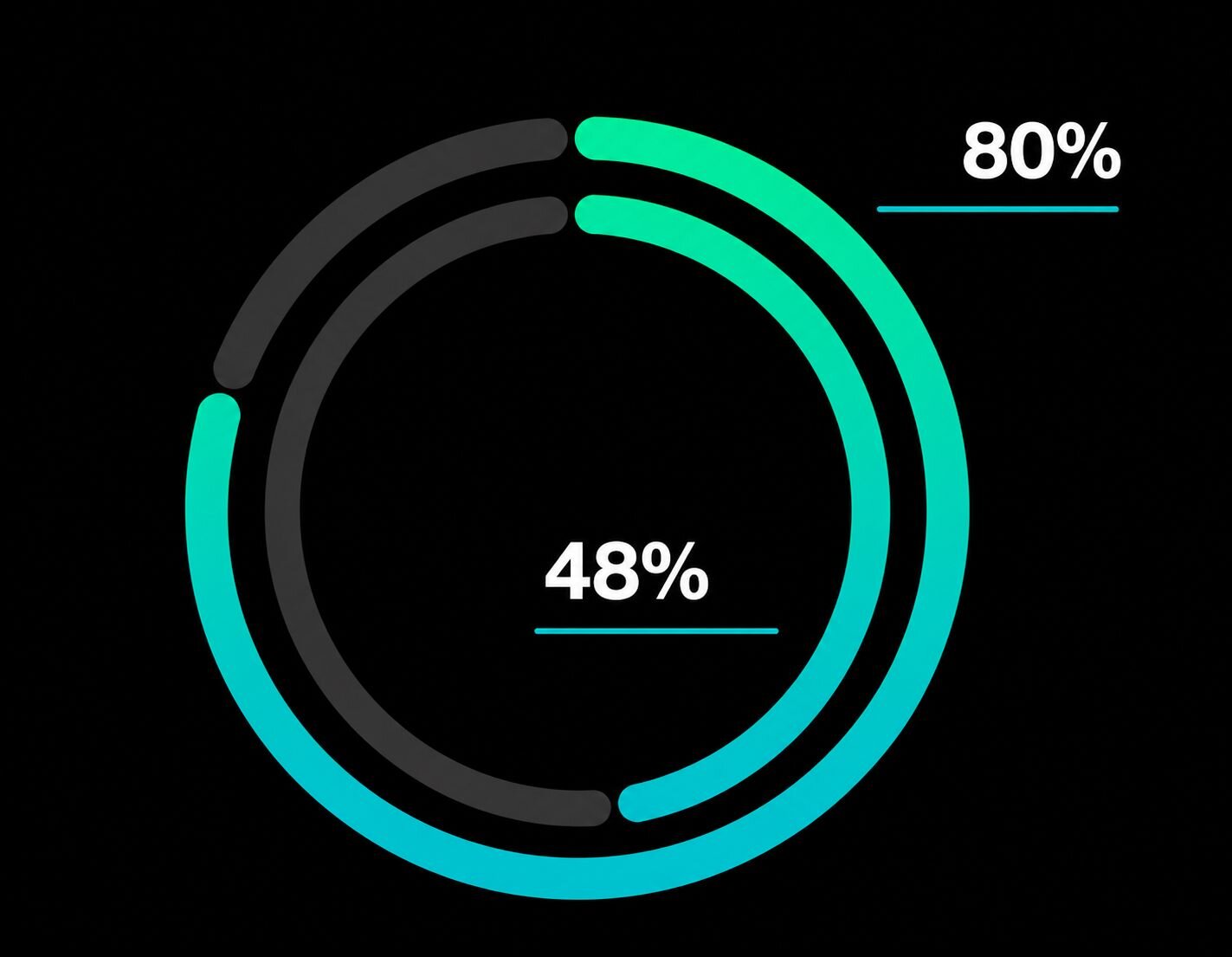
80% of respondents report having at least one known high-risk endpoint or identity misconfiguration, and nearly half (48%) have more than 10 still unresolved.
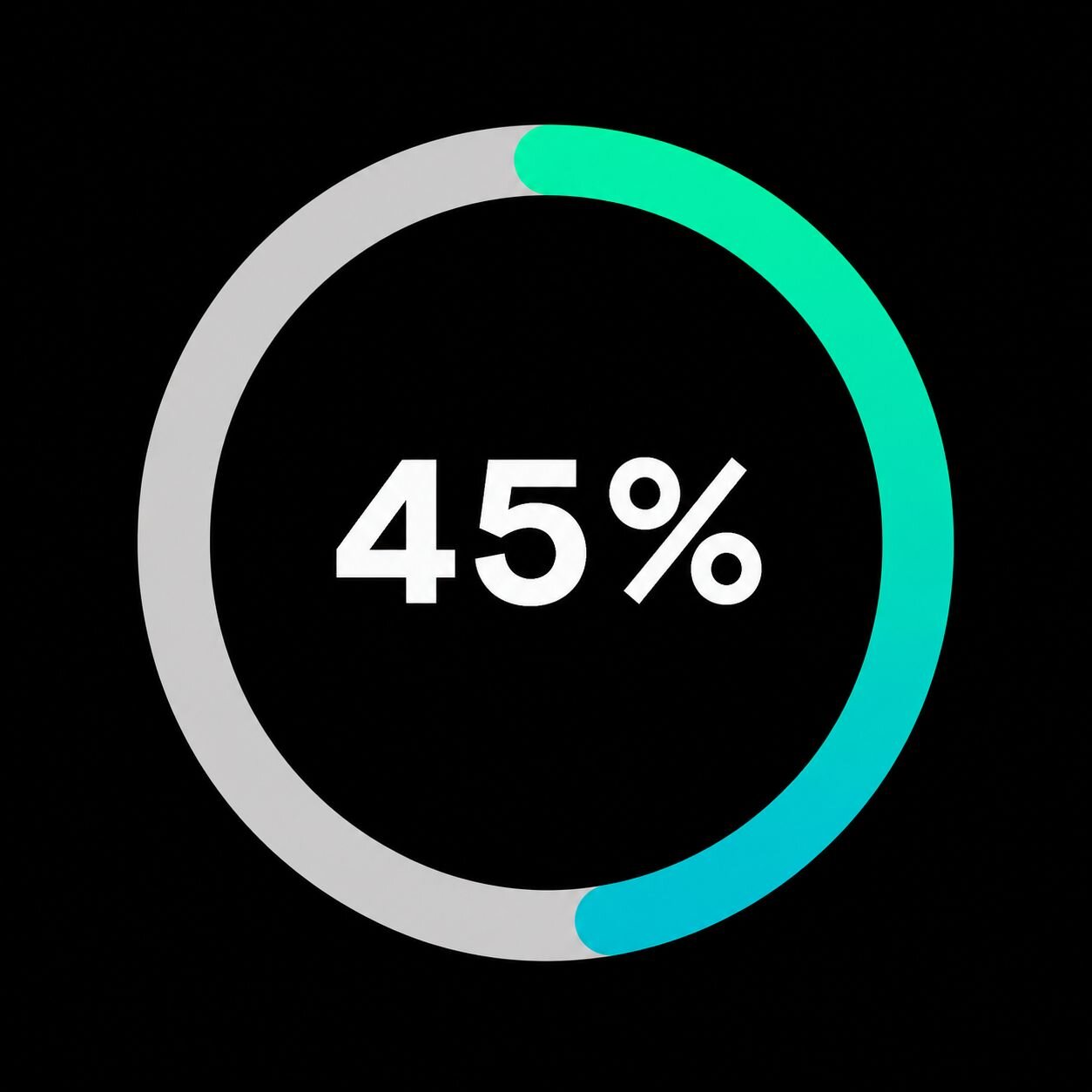
45% of organizations experienced a security incident tied to a misconfiguration last year. Most of them knew the gap existed.
This report, based on research from 521 security and IT professionals, examines why endpoint and identity security keeps breaking down, and why the answer isn't to add more self-managed point solutions
80% of respondents report having at least one known high-risk endpoint or identity misconfiguration, and nearly half (48%) have more than 10 still unresolved.
More than three-quarters of respondents have delayed or canceled a business initiative (like an application launch or a M&A integration) due to worries about endpoint or identity security posture, including 55% in the past year.

45% of organizations experienced a security incident tied to a misconfigured endpoint or identity in the past year.
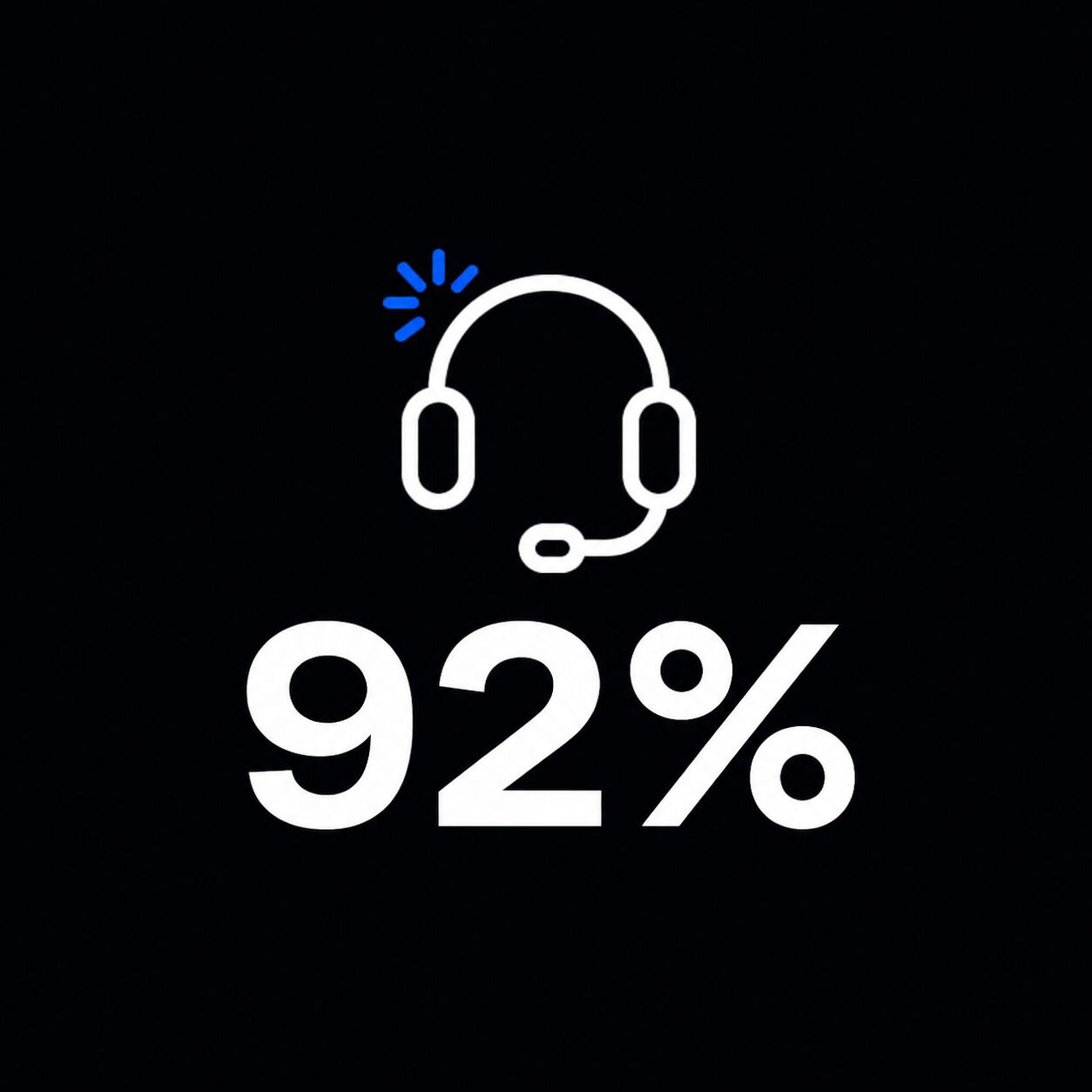
92% would prefer a managed solution that reduces the overhead to harden endpoint and identity posture, rather than adding more tools for their teams to manage.
This report was produced in partnership with UserEvidence, an independent research firm. All 521 respondents were verified IT and security professionals at North American organizations ranging from 51 to 4,999 employees. UserEvidence research cannot be influenced or altered by the commissioning vendor. What you read is what respondents said.
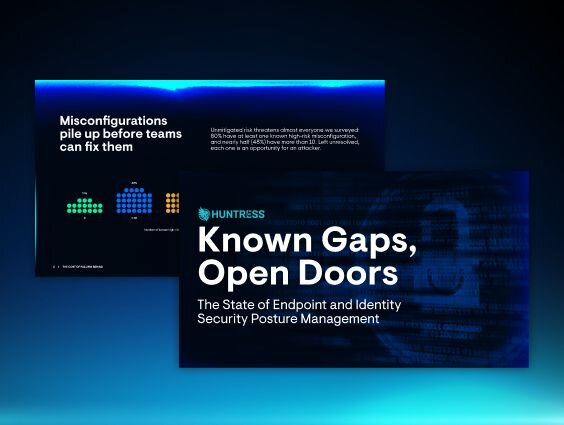
Download the report now and get insights to harden your security posture.
Related Resources
Uncover 2025 cybercrime trends, including AI-driven attacks, surging malware, key stats, financial impact, and defense strategies SOC.
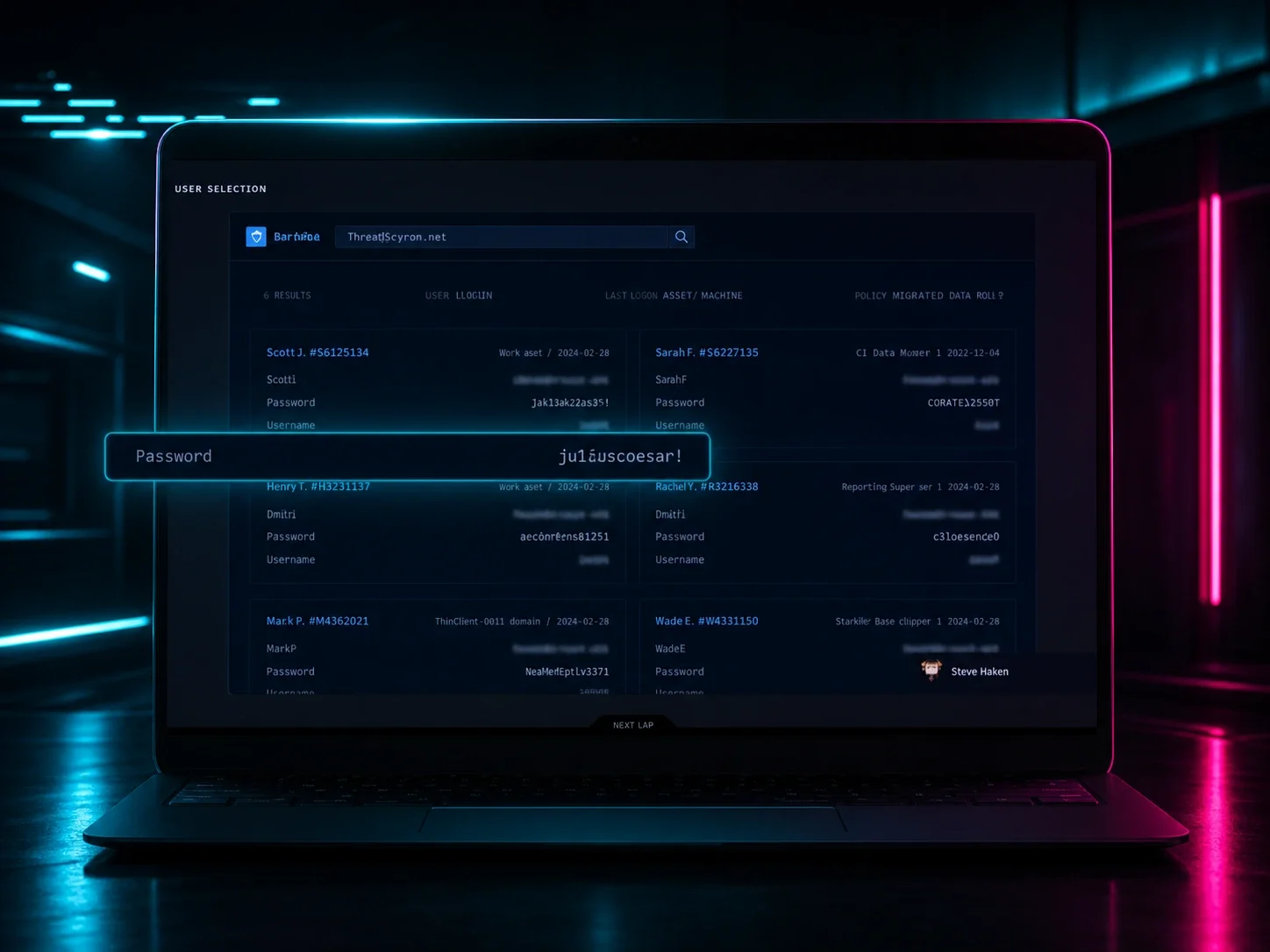
Huntress Managed SAT’s new Threat Simulator gives your learners hands-on experience with a variety of tradecraft, not just phishing. Learners carry out simulated threats from the hacker’s POV to get a better understanding of the tactics and thinking behind attacks. Because when they learn how to think like hackers, they can be better defenders.
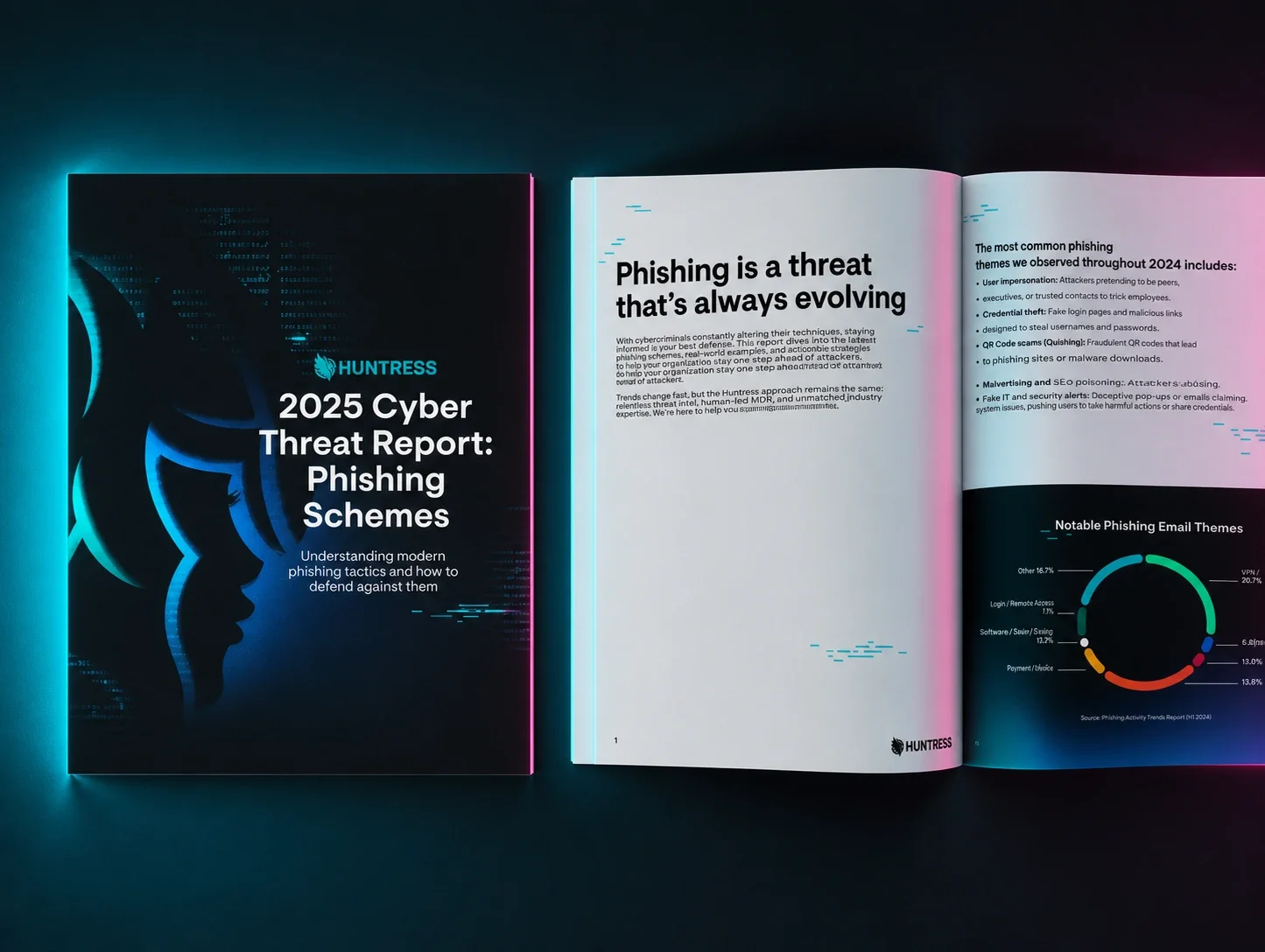
Phishing has come a long way from the days of bad grammar and glaring typos. Today’s threat actors are masters of deception, using tactics like impersonating trusted brands, faking email reply chains, sneaking in malicious QR codes, and more.
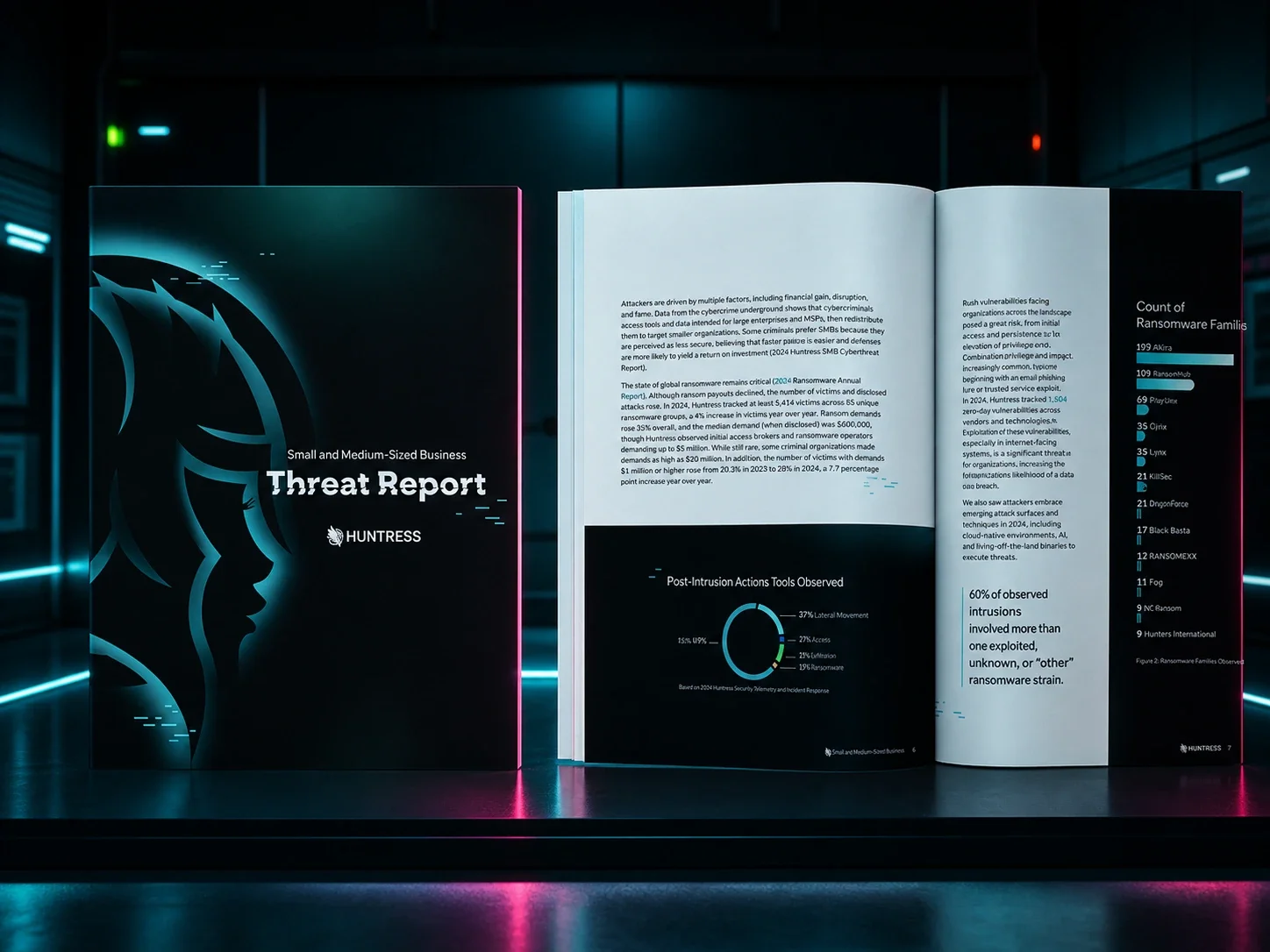
Download Huntress’ SMB Threat Report for insight into the latest adversary trends and behaviors, specifically tailored for SMBs.
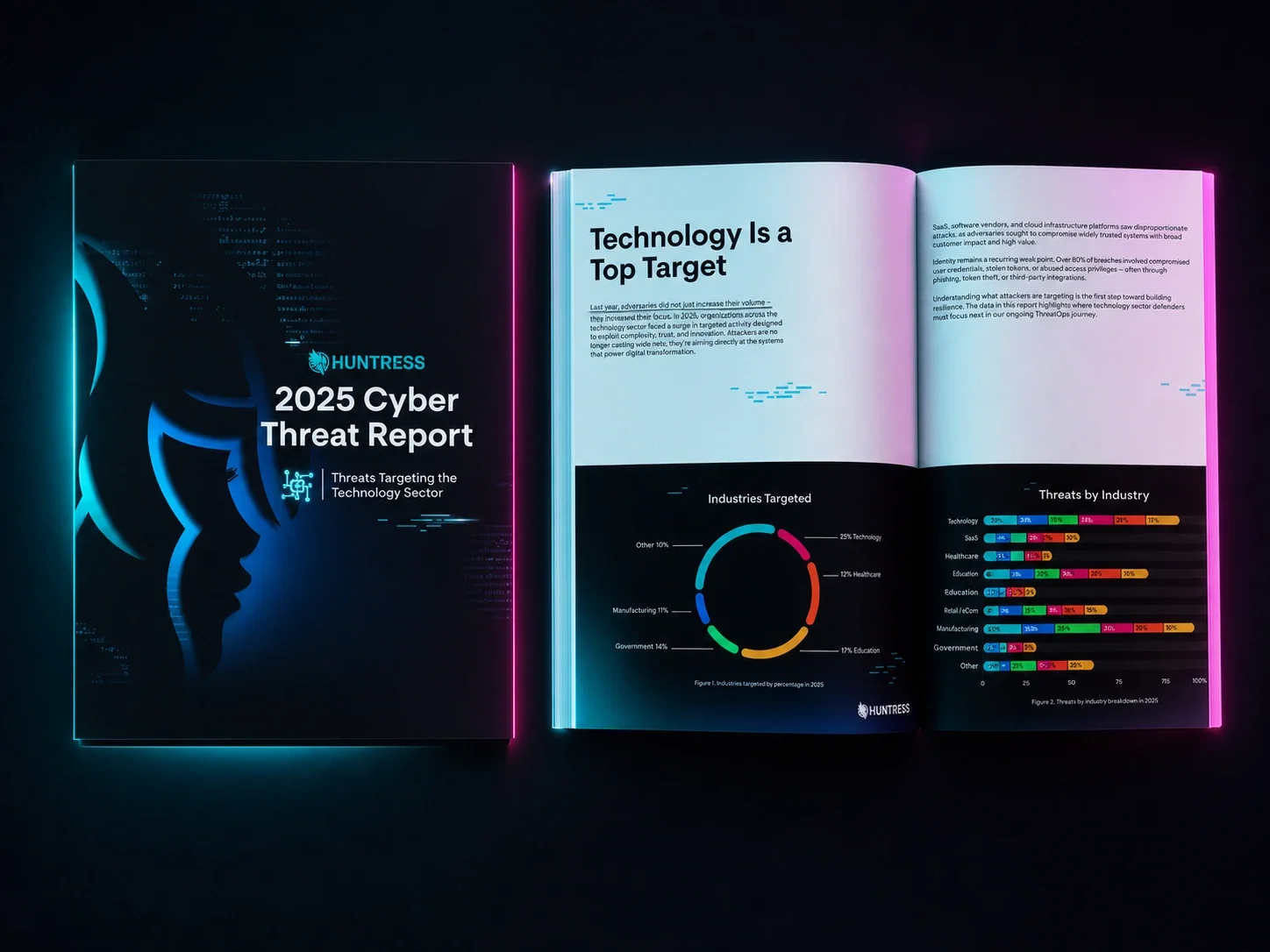
In 2024, the tech industry made up 12% of all cyberattacks tracked by Huntress. With tech driving so much of the innovation that shapes our lives, keeping this sector secure has never been more critical.
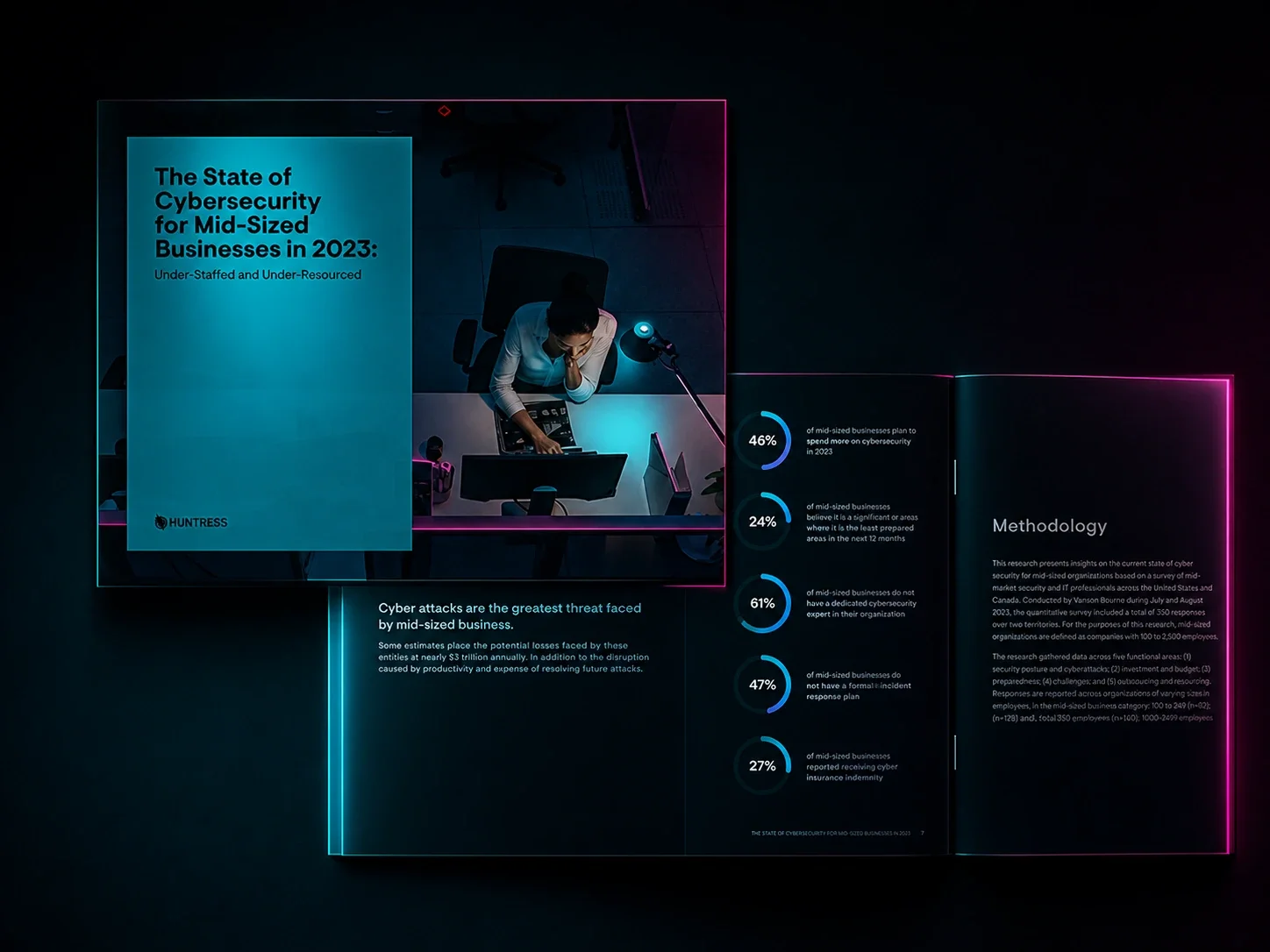
Read Huntress' cybersecruity report, which surveyed 250+ IT professionals in mid-sized businesses, that found many feel understaffed, under-resourced, and unprepared to face today’s evolving threats.
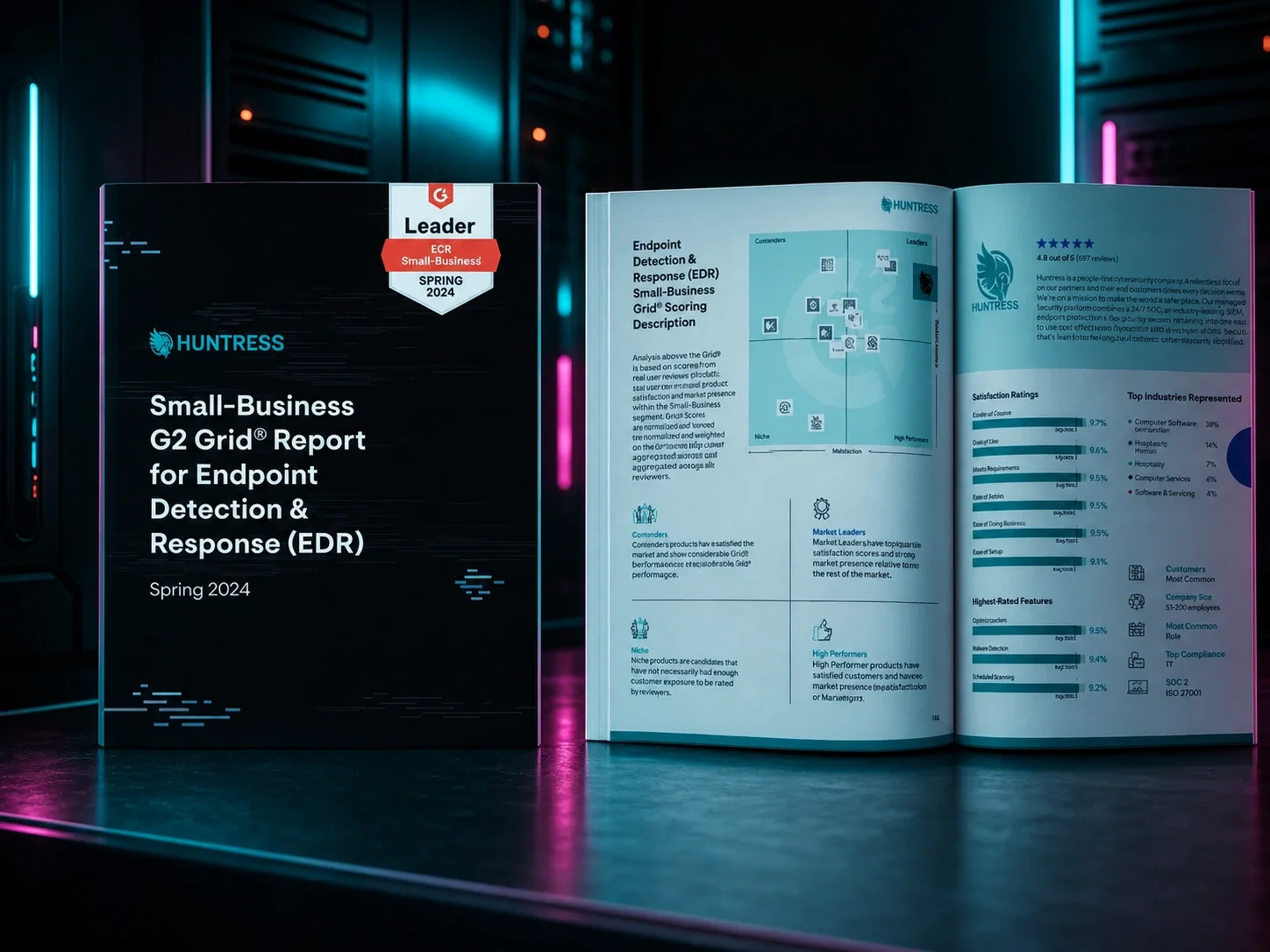
G2, the world's top business software review platform, presents the Spring 2024 Small-Business EDR Grid® report in collaboration with Huntress, assisting businesses in making informed IT Infrastructure EDR technology choices.
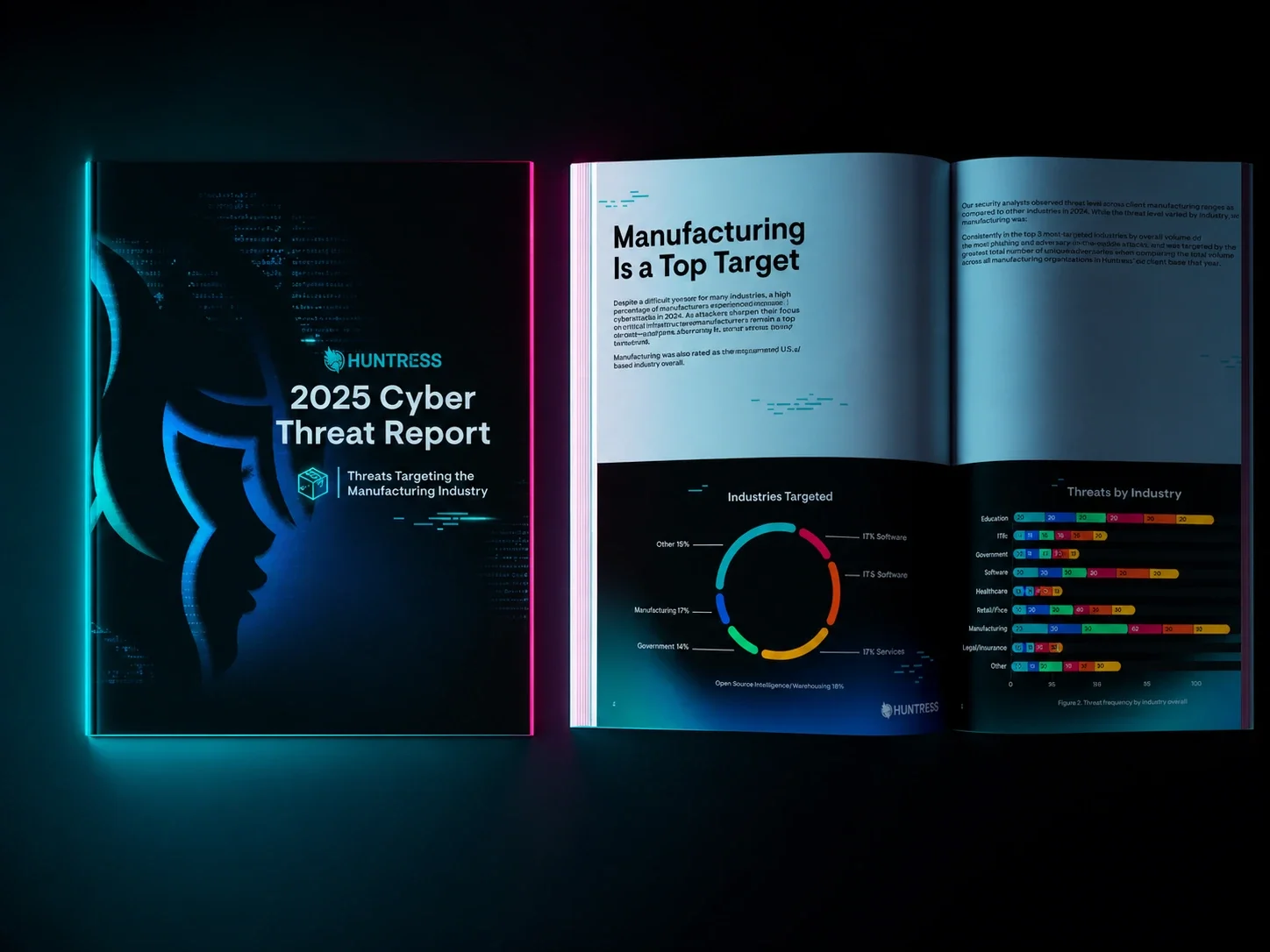
Huntress 2025 Cyber Threat Report: Threats Targeting the Manufacturing Industry breaks down the latest risks the manufacturing industry now faces.
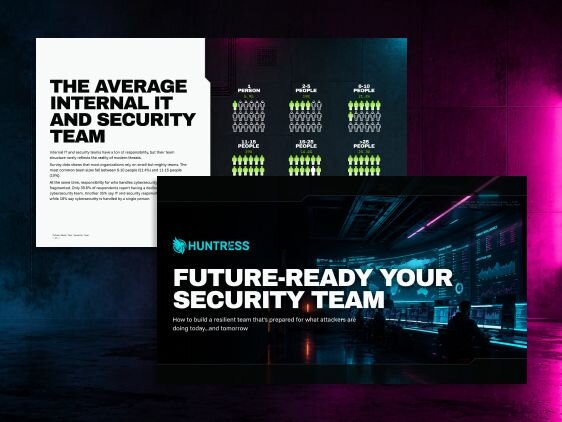
This report is a field guide built from real survey data and the practitioners who investigate live incidents every day, for teams who need to move fast, support their people, and recover quickly when prevention fails.
This is the summary
Answer
