

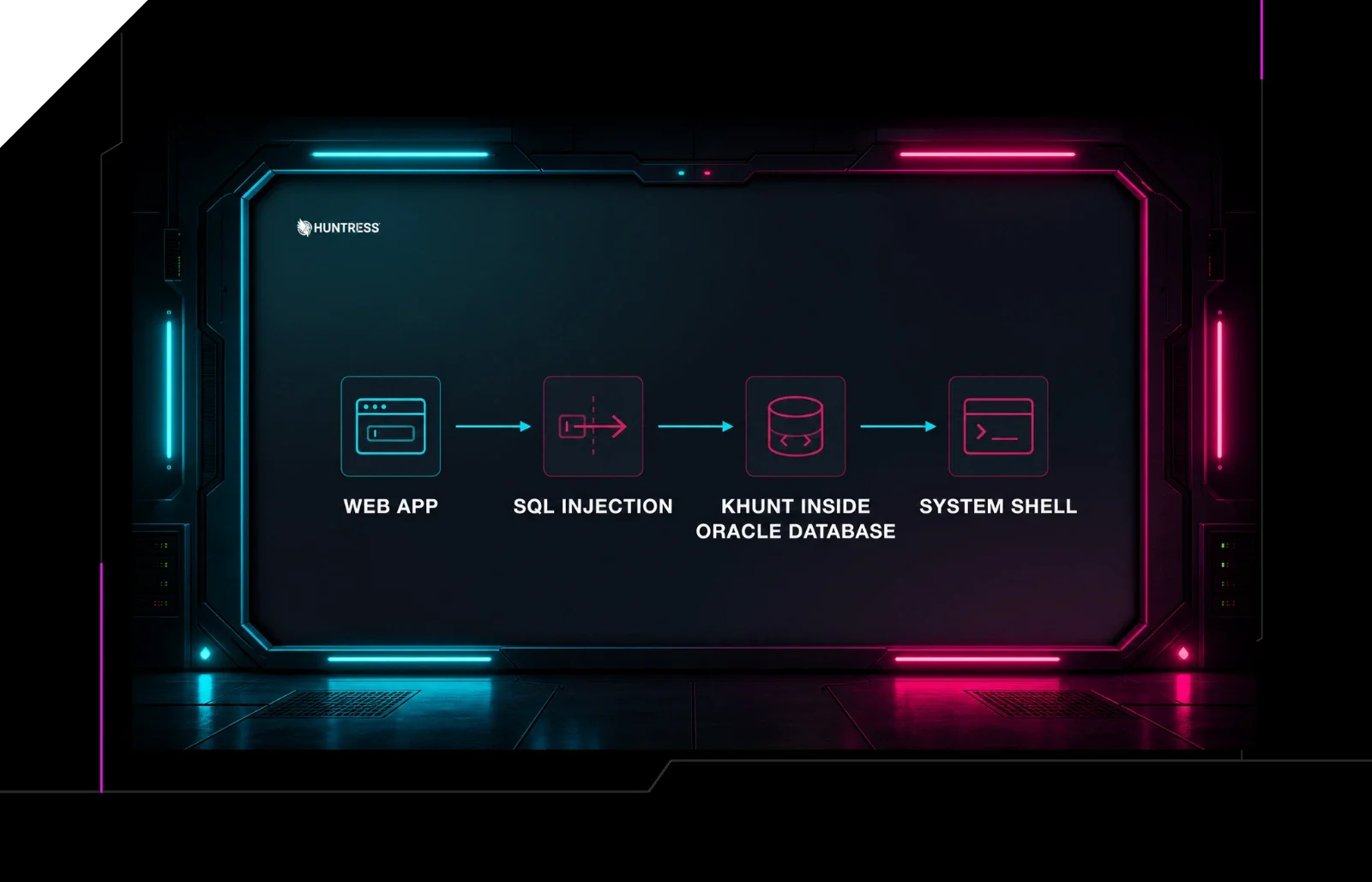
Blog Post
Toolkit Installation via SQL Injection Shows the Classics Still Hit
See how a SQL injection bug led to full OS-level RCE, as attackers abused Oracle Java Source to deploy the khunt post-exploitation toolkit.

See how a SQL injection bug led to full OS-level RCE, as attackers abused Oracle Java Source to deploy the khunt post-exploitation toolkit.

On July 21 and July 22, Huntress observed a number of attacks that started with a malicious public Claude Artifact hosted on a legitimate Claude domain, and ended in organizations being infected by the SectopRAT stealer.
Huntress has observed a series of strikingly similar intrusions beginning with CitrixBleed 2 exploitation, employing novel local privilege escalation techniques, and ending in Dragonforce ransomware.
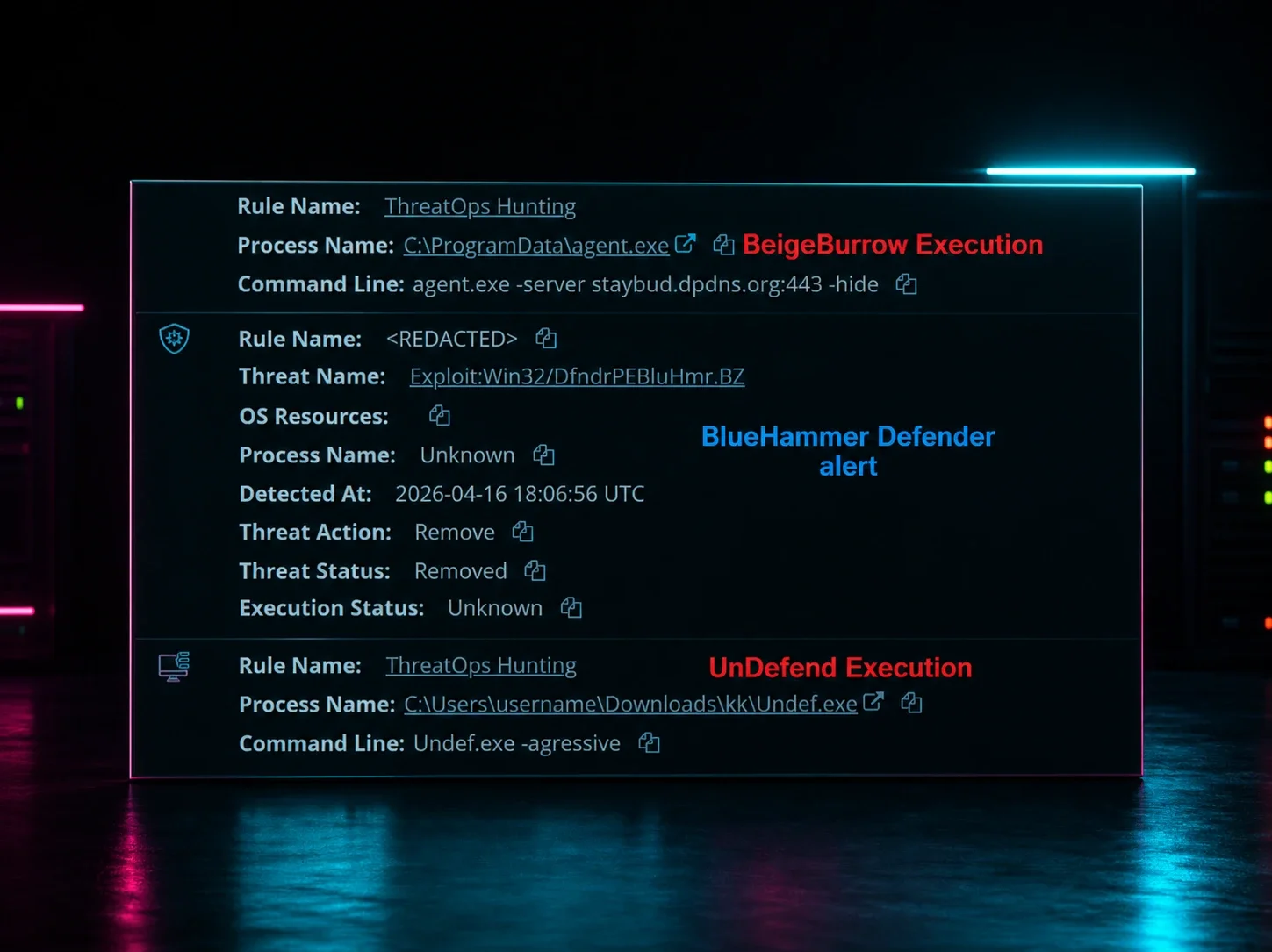
Huntress observed in-the-wild use of Nightmare-Eclipse tooling, including BlueHammer, RedSun, and UnDefend, in a live intrusion involving FortiGate VPN compromise as the initial access, reconnaissance commands, and likely tunneling activity.
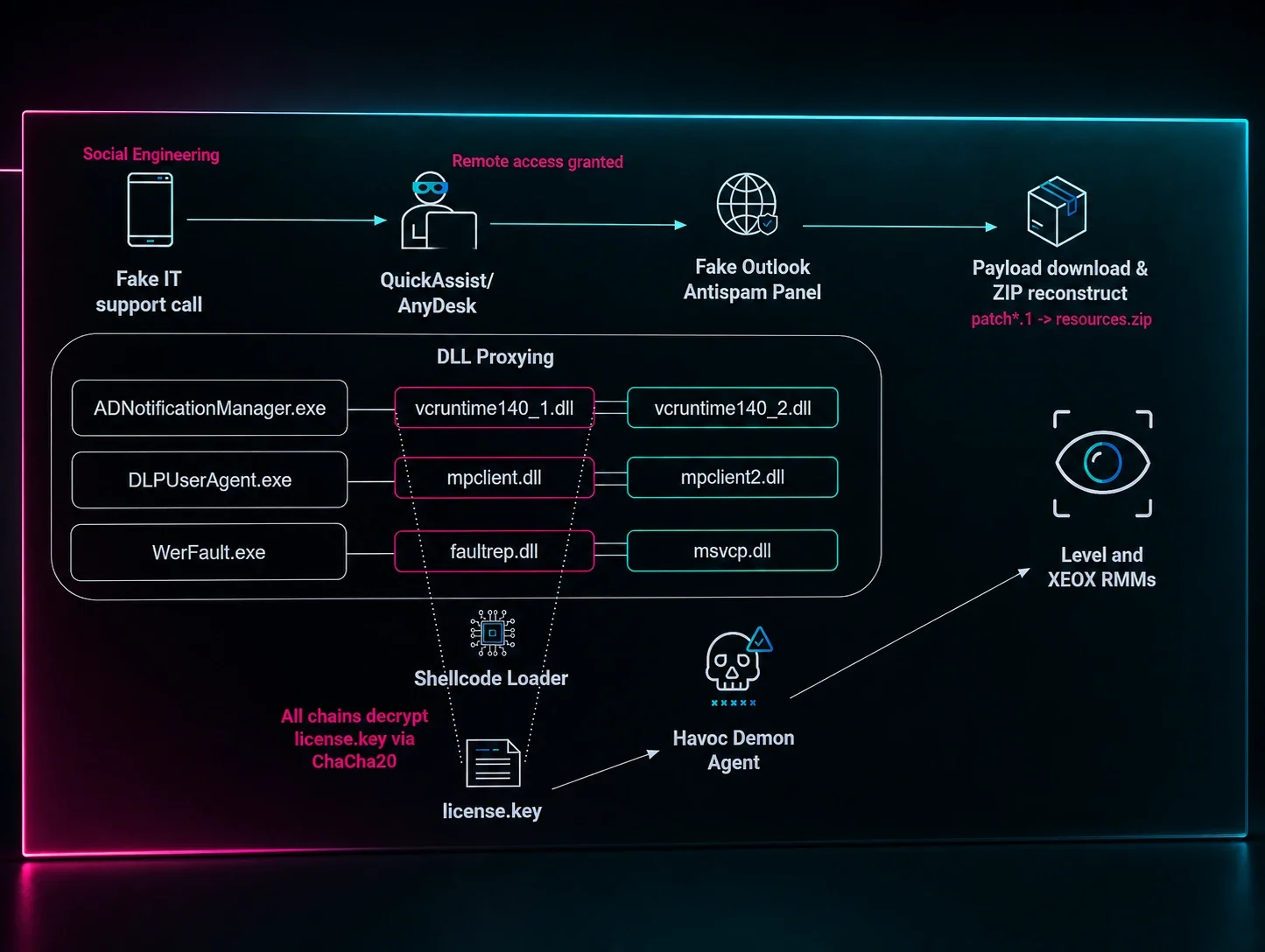
Fake tech support scams used to end with a gift card. Now they end with a modified Havoc C2 framework in your environment, using indirect syscalls to dodge your EDR.

ClickFix delivered the initial access, Matanbuchus did the loading, and a new RAT handled the rest. This February 2026 intrusion has all the ingredients of a campaign that isn't slowing down.
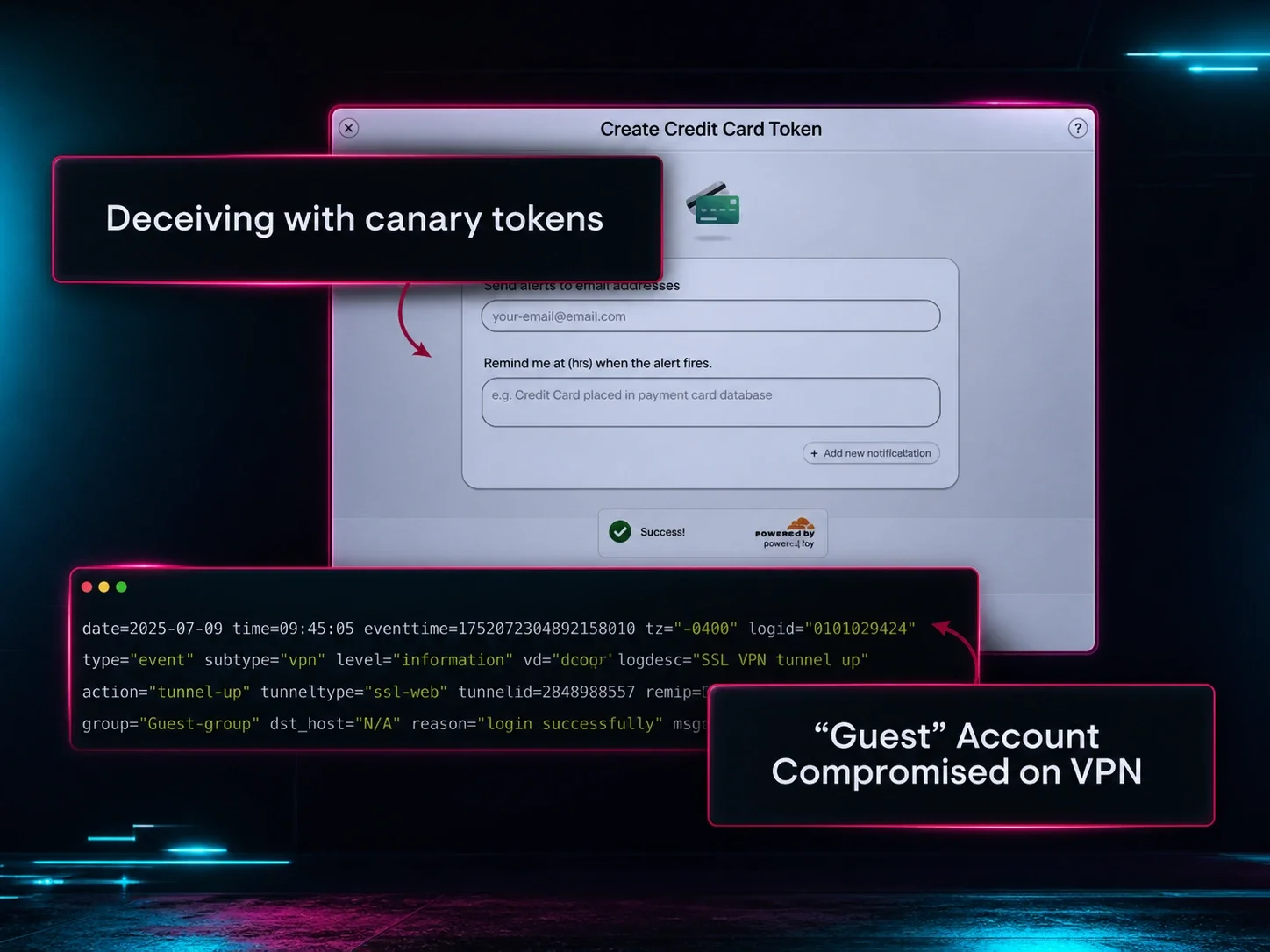
We’re hosting a session on making hackers’ work harder for them. Join us to learn practical, battle-tested hardening guidance to stop attackers in their tracks and turn your environment into one that’s straight-up hostile to threat actors.
