Daisy-Chaining Trust: Investigating Faronics Deploy Abuse
Bad actors are abusing Faronics Deploy in phishing campaigns to run PowerShell, deploy ScreenConnect, and evade detection by using trusted tools.

Turning childhood curiosity into cybersecurity expertise.
Chad Hudson's journey into the world of computers began at a young age, inspired by his father's passion for technology. "I had always been around computers while growing up," Chad recalls. "My dad was an avid hobbyist into computers and tech. Eventually, it rubbed off onto me and I started copying him as a child and got involved with computers."
At Huntress, Chad specializes in the Security Operations Center (SOC) and Hunt & Response. His role involves staying vigilant against cyber threats and responding swiftly to security incidents targeting small and medium-sized businesses. "Working at Huntress gives me all the warm and fuzzies, knowing we're out here being the cyber 'superheroes' for the SMBs," he says. "It's satisfying waking up each day knowing we're the ones stopping threat actors attempting to punish hardworking companies for a quick buck."
What's your favorite cybersecurity tip, Chad?
"Think before you click. Working in a SOC and contributing to the hunts, a main method I see users falling for is social engineering attacks such as phishing. It's better to take your time when reviewing your emails, going to web pages, and downloading content. In the long run, a few extra seconds of caution can save a world of trouble!"
Go ahead and give Chad a follow on X: @0xBurgers
Bad actors are abusing Faronics Deploy in phishing campaigns to run PowerShell, deploy ScreenConnect, and evade detection by using trusted tools.
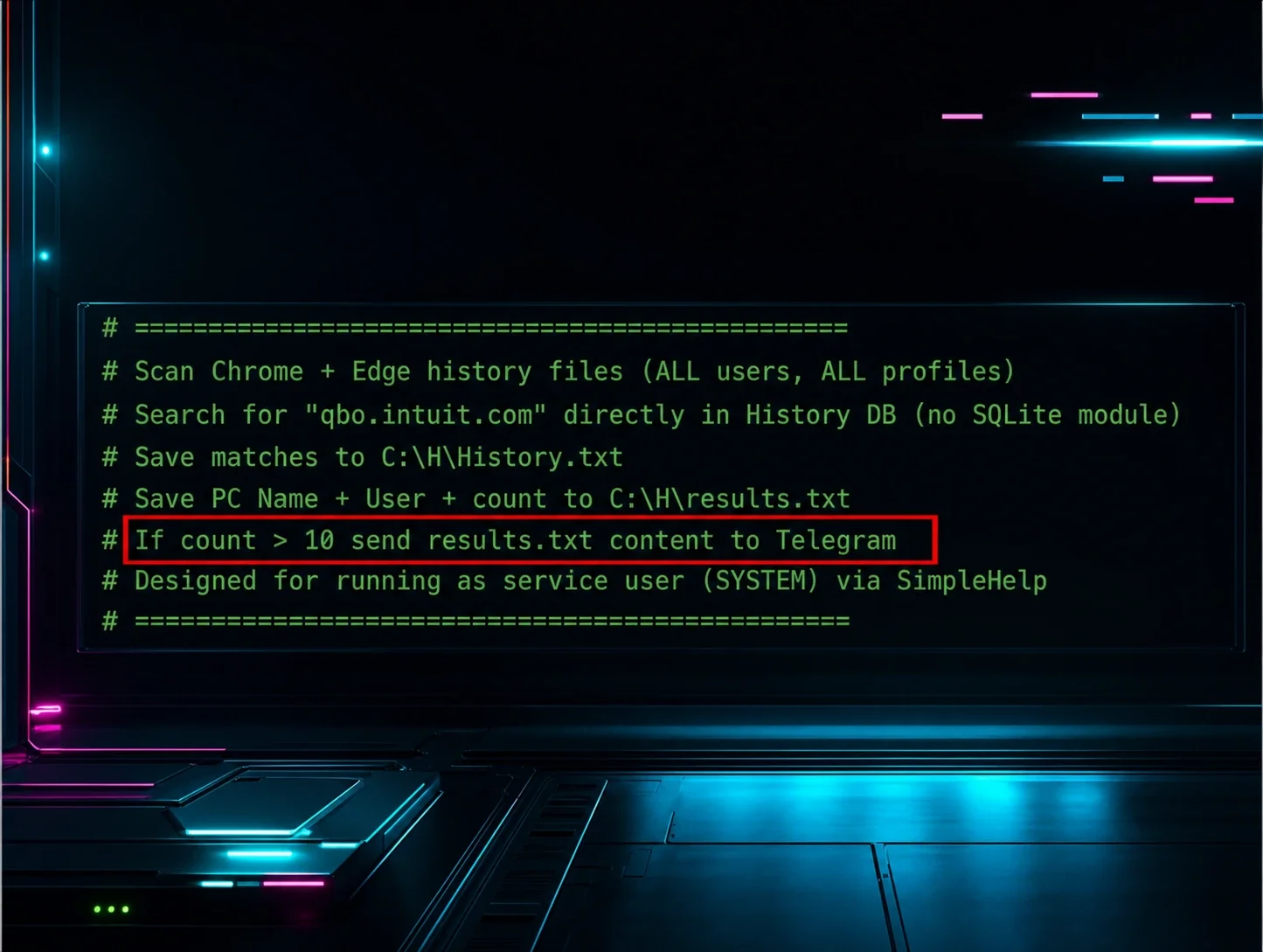
Attackers aren't just abusing one RMM tool — they're chaining them together for layered persistence that's hard to detect and harder to remove. Every tier of threat actor is doing this now.
Huntress observed threat actors exploiting a Microsoft WSUS remote code execution vulnerability across four customers within days of disclosure. Here's the timeline, the TTPs, and why you need to patch now.
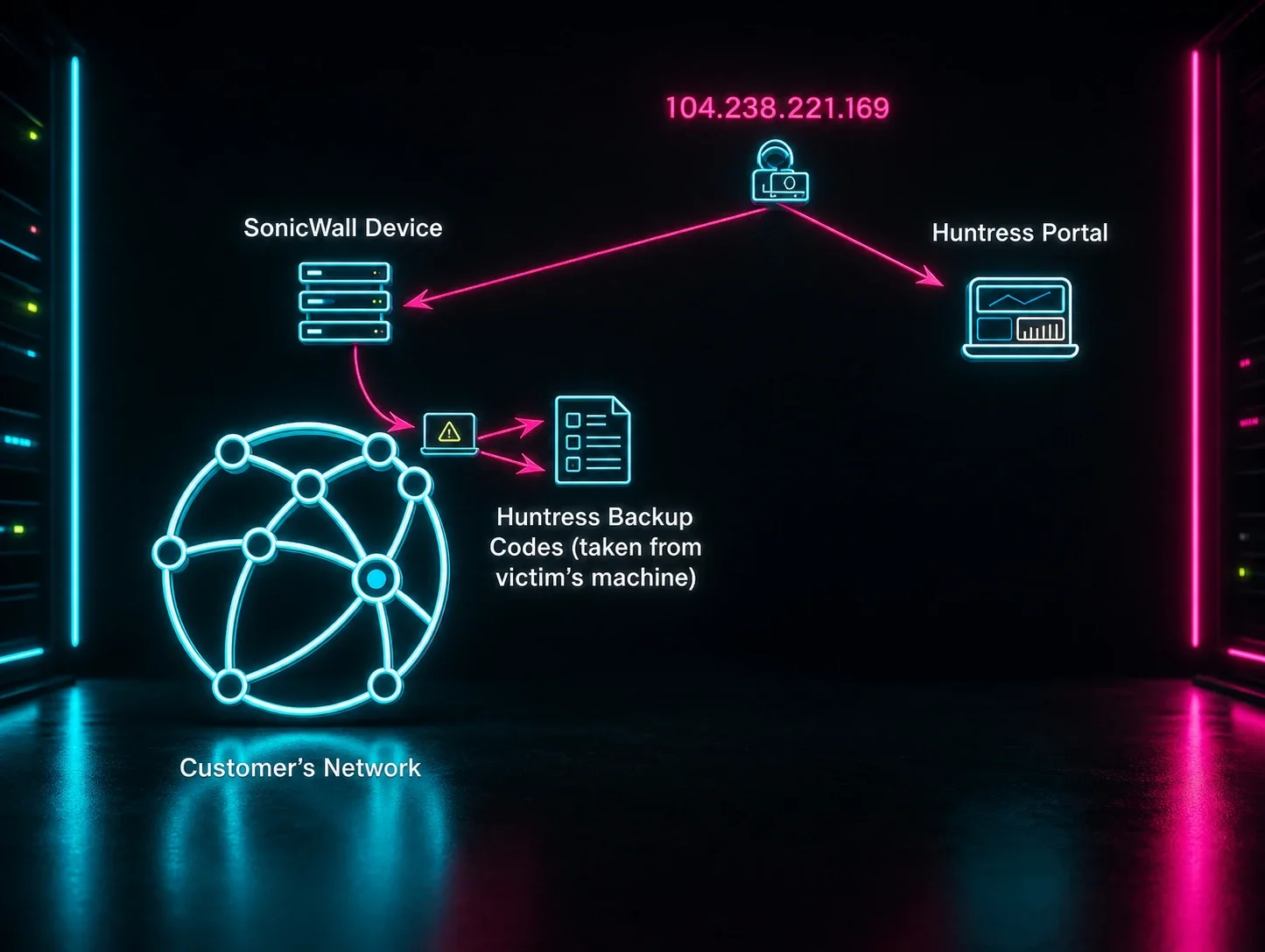
A threat actor got in through SonicWall, then found a plaintext password file sitting on someone's desktop. This companion post to the SonicWall advisory is a cautionary tale in one screenshot.

A large wave of PowerShell malware hit on a Friday afternoon and Huntress analysts dove in immediately. What they found was a Warzone RAT infection chain that tested their detectors in real time.