



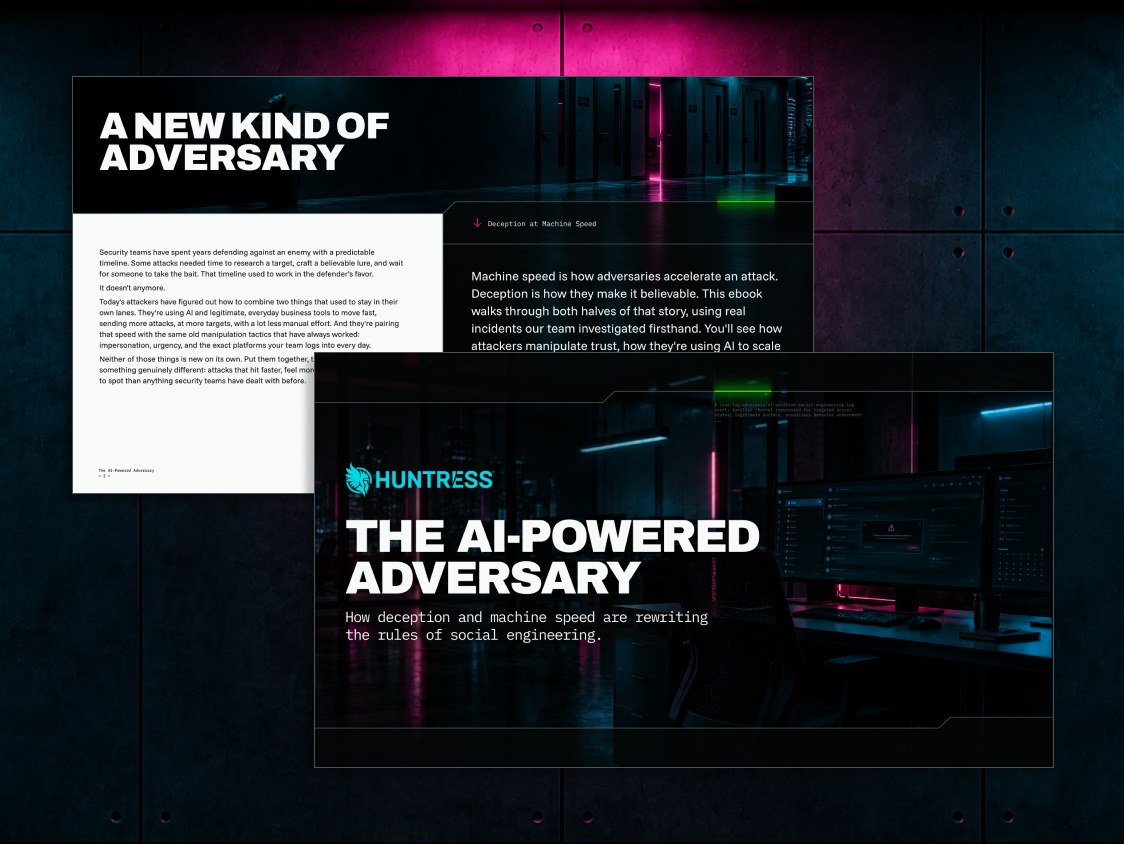
Ebook
The AI-Powered Adversary
Learn how today’s AI-powered adversary weaponizes phishing and social engineering with real incidents Huntress has investigated. Get the download.
Infostealers make breaches ridiculously cheap. For just a few dollars, adversaries buy your stolen session tokens and slip by your multi-factor authentication without breaking a sweat. By the time you notice a weird login, your data is already for sale on the dark web.
Download to learn how Huntress shuts down infostealer threats in minutes, helping you protect your identity attack surface.
Related Resources
Learn how today’s AI-powered adversary weaponizes phishing and social engineering with real incidents Huntress has investigated. Get the download.
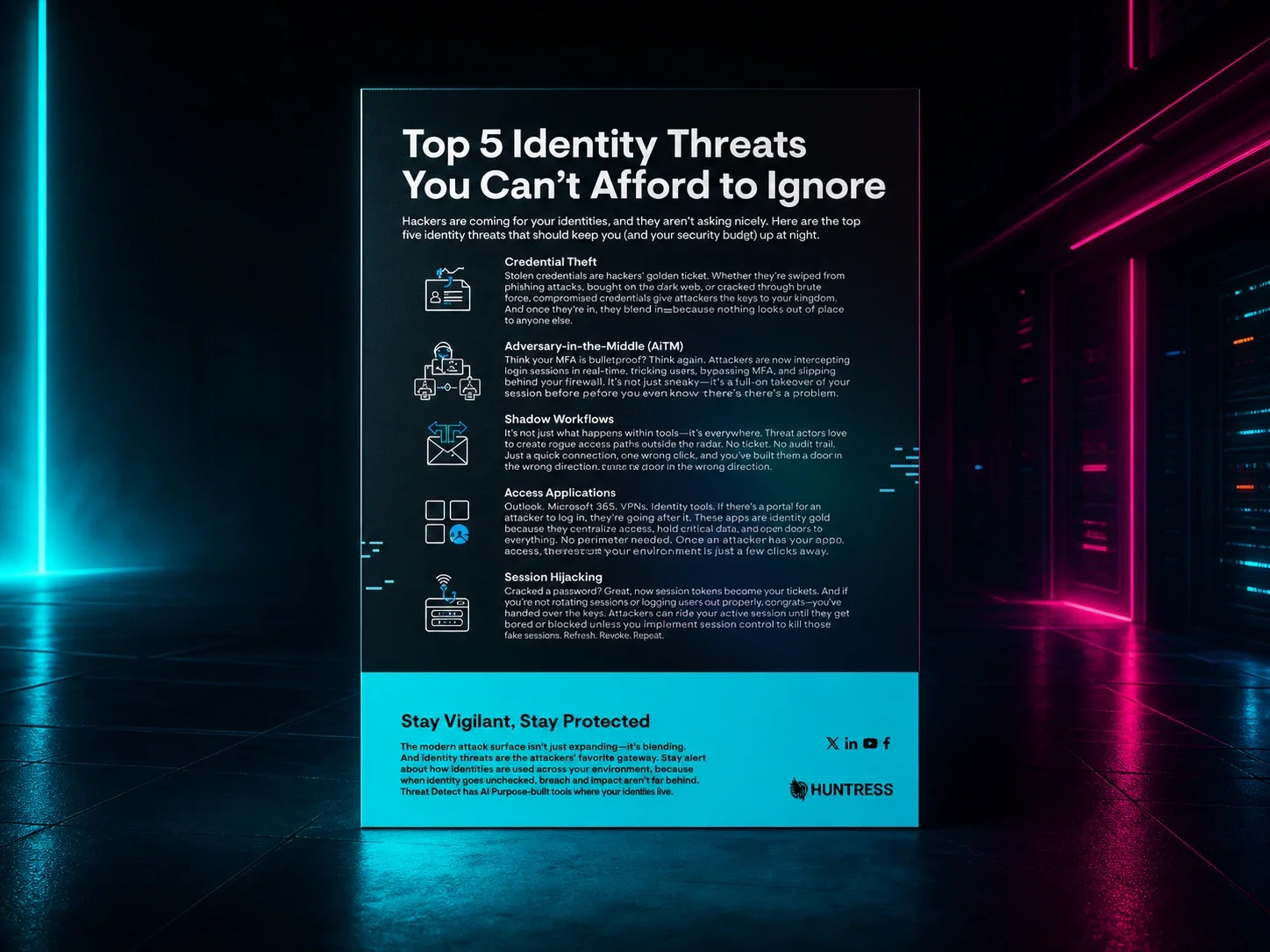
Cybercriminals are coming for your identities—and they’re not playing nice. Learn more about credential theft, AiTM, shadow workflows and more.
These days, cybercriminals bypass logins entirely by snagging infostealer logs on the dark web. We're talking about malware that steals everything from session tokens and MFA keys to crypto wallets.
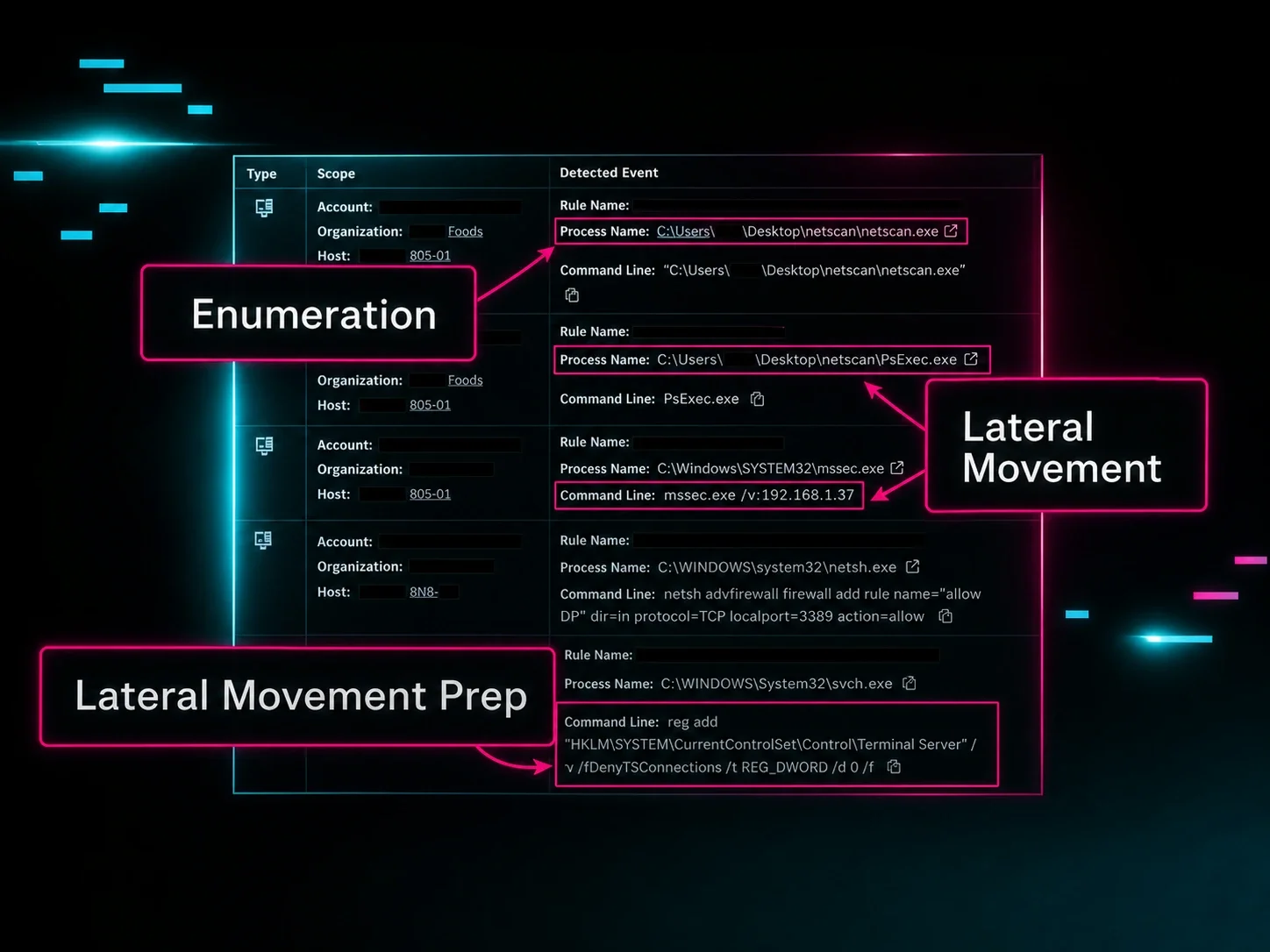
In this session, we break down the real-world attacks our Security Operations Center (SOC) stopped before they could take businesses down.
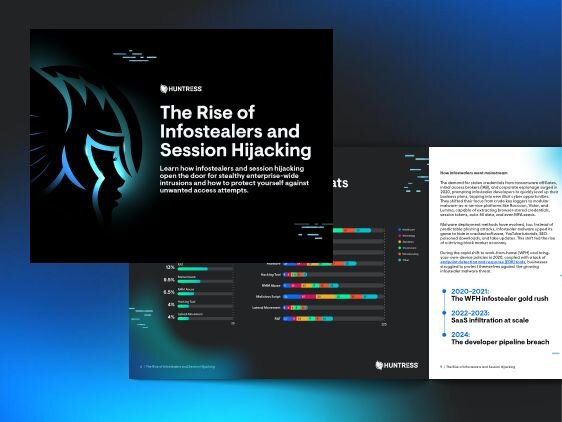
Learn how infostealers and session hijacking open the door for stealthy enterprise-wide intrusions without credentials or malware—and how to protect yourself against unwanted access attempts.
Not all attacks rely on malware—some abuse Microsoft 365’s built-in features. Stealthware - a type of Rogue Apps - is a growing threat where attackers create custom OAuth apps for persistence, data theft, and stealthy long-term access.

Learn how session hijacking lets cybercriminals duck under the velvet ropes of Multi-Factor Authentication (MFA) and stroll straight into your private data.
Not all threats come from malware—some come from legitimate apps. Traitorware - a type of Rogue Apps - is what we call OAuth application abuse in Microsoft 365. Attackers exploit real, trusted apps—like EM Client—to gain persistent access to inboxes, siphon data, and evade detection.
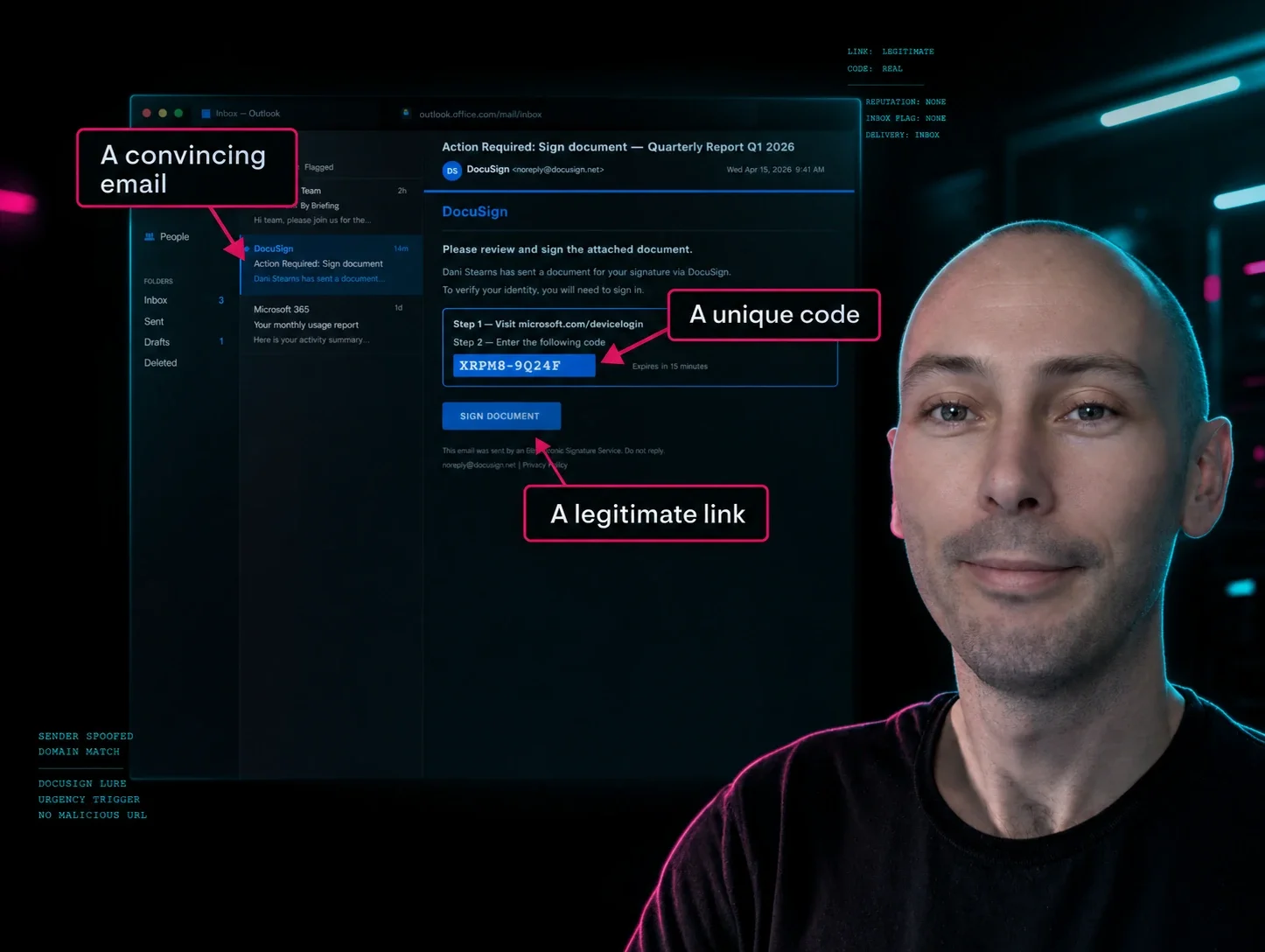
Device code phishing doesn’t hack its way in. It uses a legitimate authentication flow to walk right through the front door, with no password required, MFA bypassed, and session tokens handed straight to the attacker.
[Summary text goes here]
