
24/7 Managed SOC Services & Monitoring

Whether an incident goes down at 3:00 p.m. or 3:00 a.m., the Huntress elite AI-assisted SOC team has your back with always-on SOC monitoring and rapid response.

People-Powered Threat Hunting

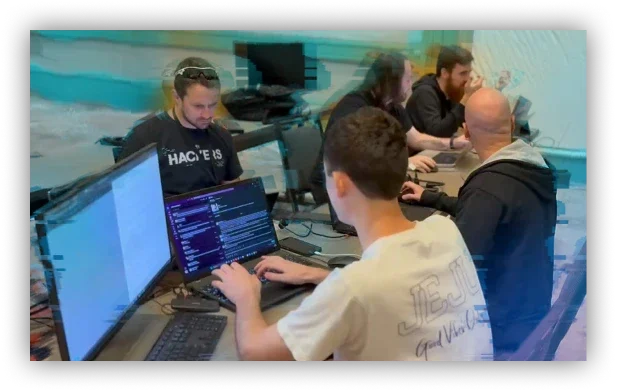
Automation alone won’t cut it against today’s hackers, and this is where our human security experts come in. The Huntress Security Operations Center (SOC) fills a critical gap in your security with a team of always-on, global badasses on your side. They investigate threats, analyze tradecraft, and shut down attackers 24/7—all so you don’t have to.

8 min

Industry-leading mean time to respond (MTTR)*

100+

Threat experts across the globe

98.8%

Customer support
satisfaction score

<1%

False positive rate across 4M endpoints

78k

Confirmed high/critical incident reports sent in 2024

8k

Confirmed High/Critical identity incidents reports sent in Jan ‘25

How Our SOC Gets it Done

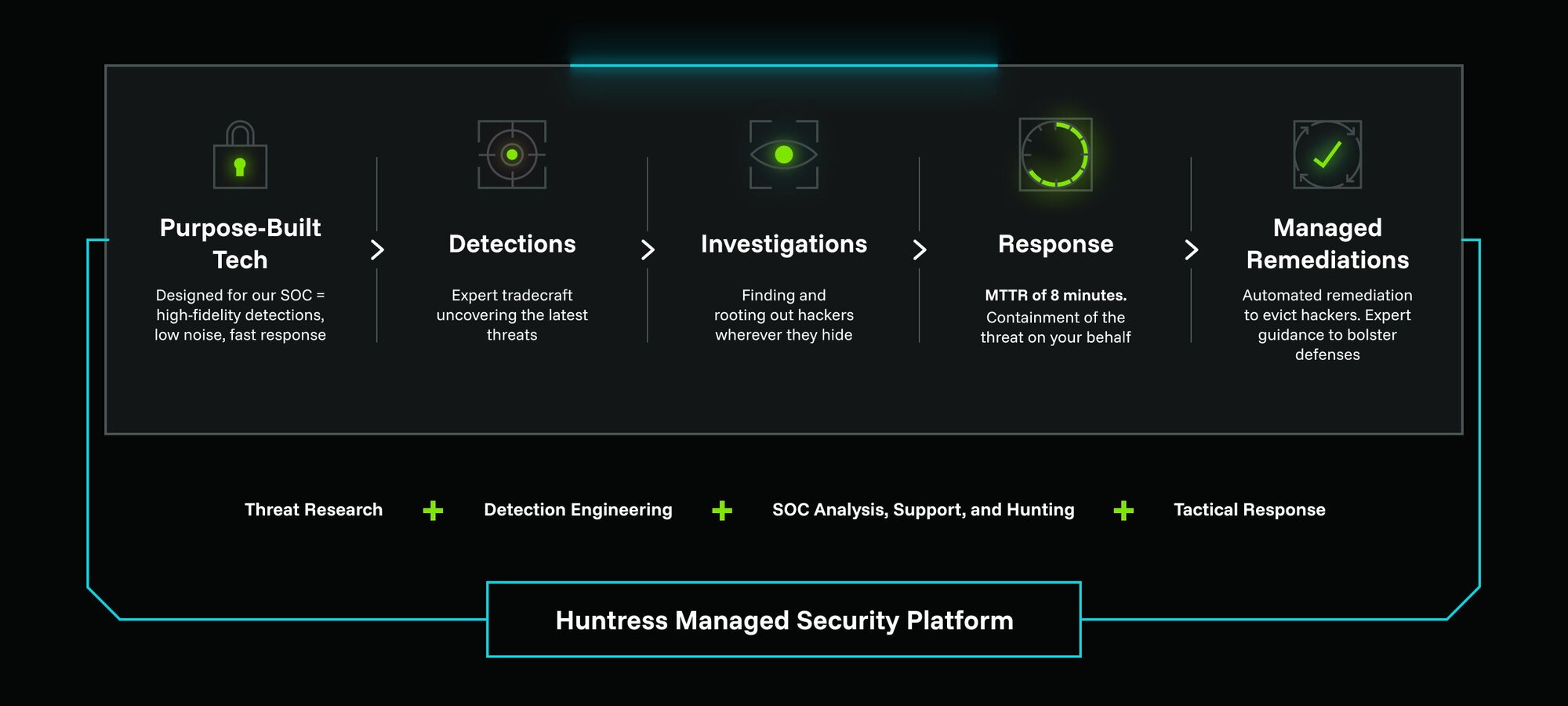
Other solutions build security tools without thinking about their SOC or how they’ll use it. We built our entire platform to work seamlessly with our AI-assisted SOC to give them—and you!—the right tools to stop modern threats. Our tech and our team are never separated, so you get the best of both.

SOC Marketecture imageHuntress SOC marketecture image

Threats Our SOC’s Been Wrecking

The Huntress SOC is always looking for the most advanced threats targeting businesses like yours. Here's how they responded to some of them.

Huntress platform

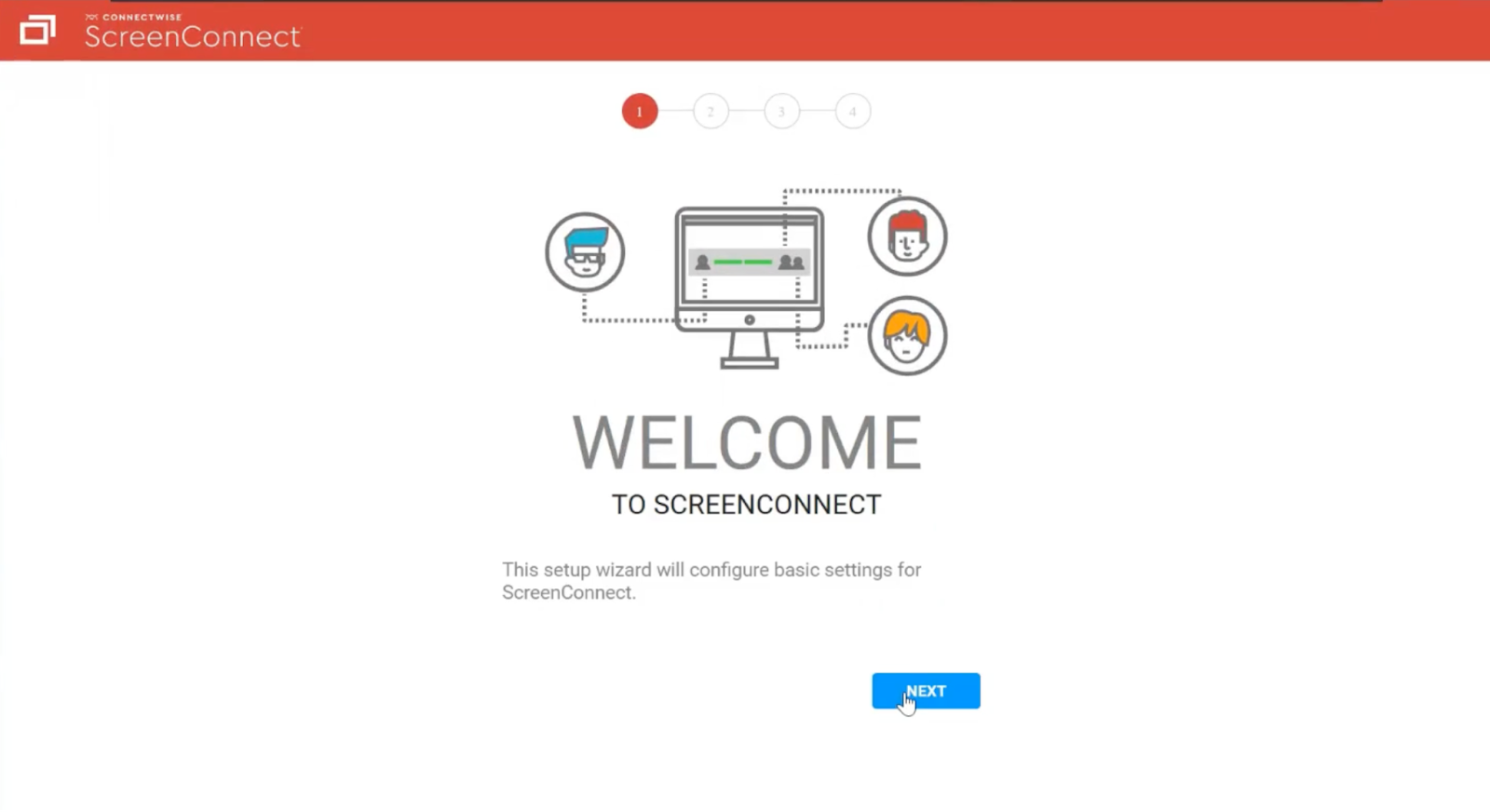
SlashAndGrab

CVE-2024-1709, CVE-2024-1708

  • Quickly reverse-engineered the ScreenConnect vulnerability delivering a universal hotfix
  • Issued first public detection guidance (with ongoing updates)
  • Collaborated directly with ConnectWise to facilitate their response
Huntress glitch effect

Prominently featured in

Google logoGoogle logoGoogle logoGoogle logoGoogle logoGoogle logoGoogle logo
teal boltglitch graphic 10electric teal

Inside the Mind of a Hacker

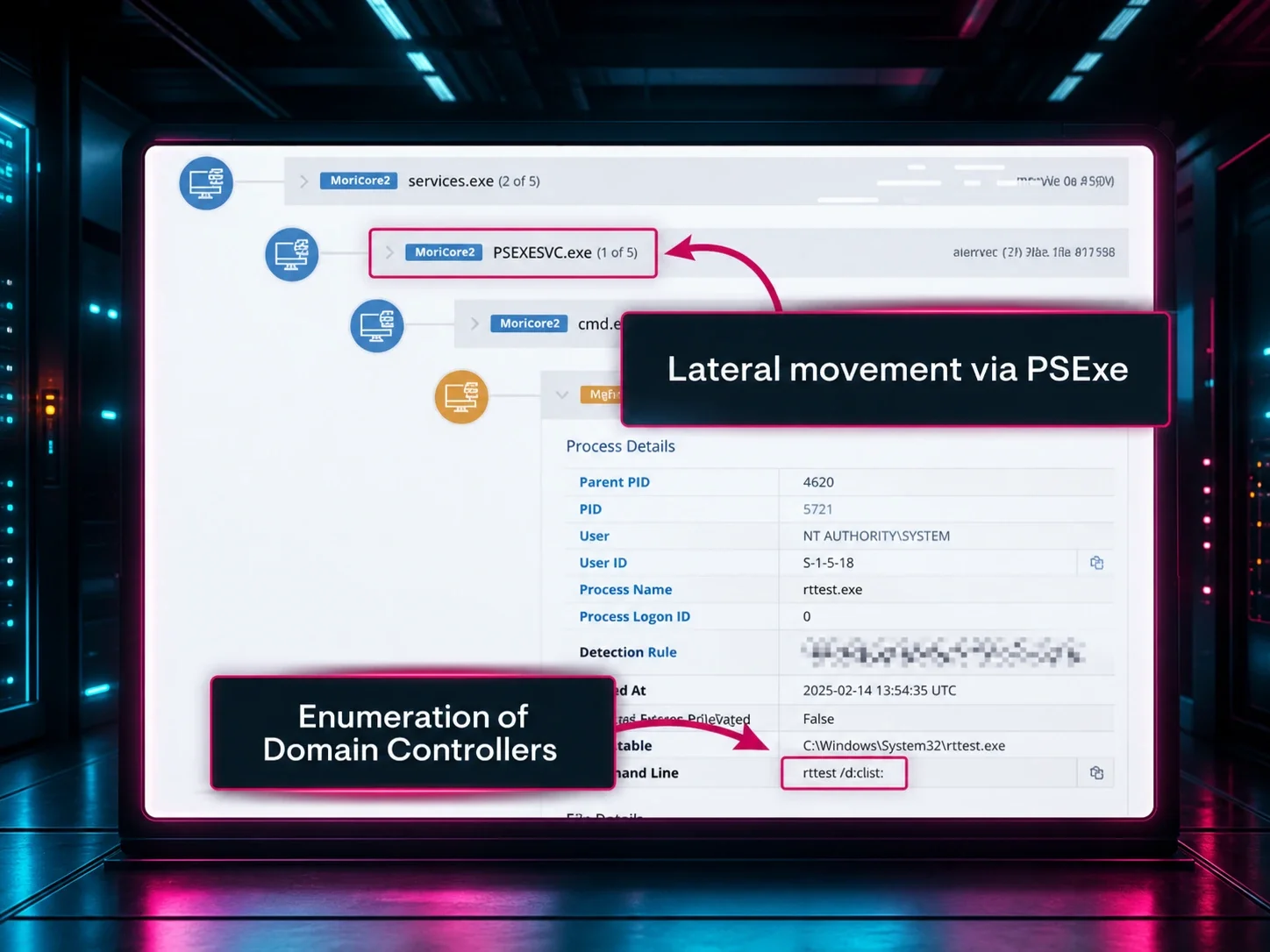
AI can speed things up, but it doesn’t have our SOC’s insights into the techniques and tradecraft of modern hackers. Check out these examples of what our experts watch out for 24/7.

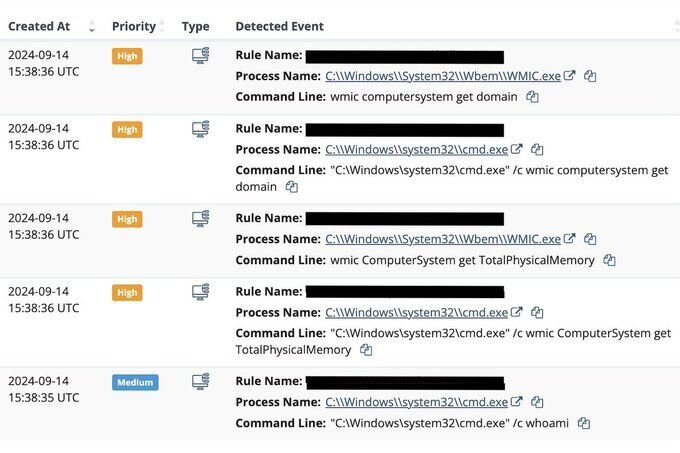
Annotated screenshot that says "Cybercriminal creating a backdoor"
Annotated screenshot that says "Threat actor masquerading as a trusted, internal sender address"
Annotated screenshot that says "Forwarded social proof"
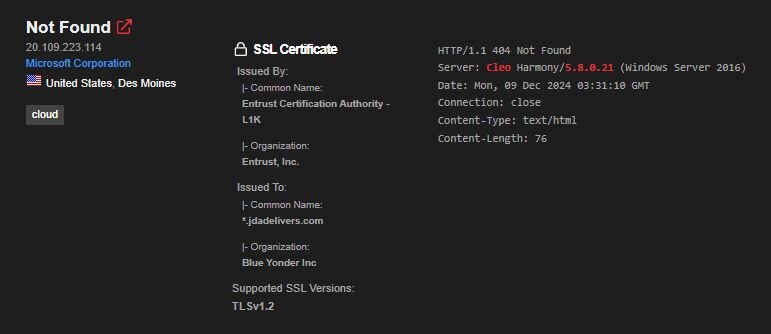
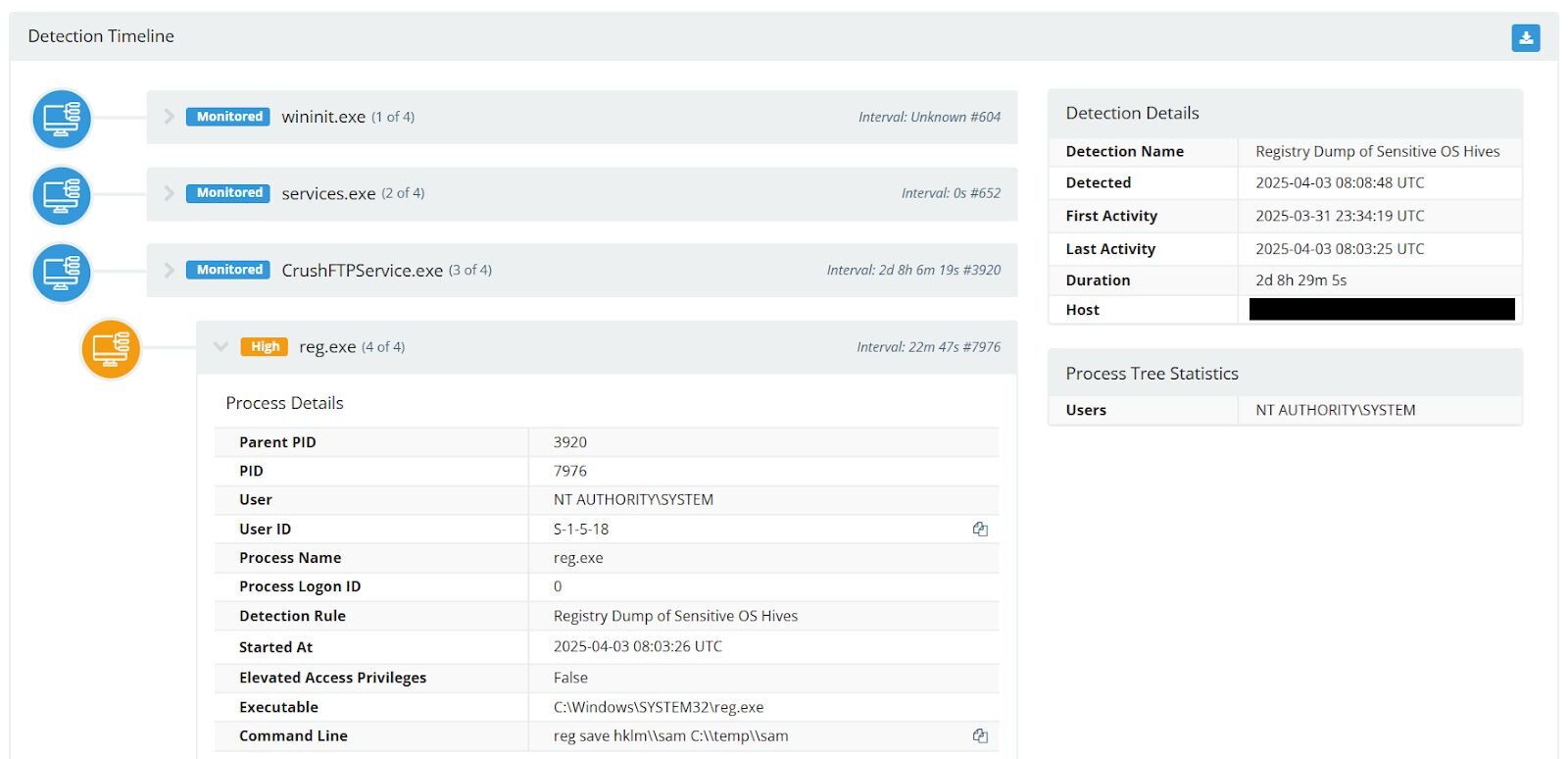
Annotated screenshot that says "Lateral Movement from edge device to endpoint"
Annotated screenshot that says "Ransomware preparation & clearing local shadow copy of files"
Annotated screenshot that says "Our elite 24/7 SOC spots potential unwanted access"
Annotated screenshot that says "Rogue Apps remediation"

What People Are Saying About our SOC Services

Green arrow left
Green arrow right
Related Blog Glitch Top RightGlitch effect
Glitch effect

Learn More About Our SOC Services

SOC Incident Walkthrough: Bouncing Hackers Before They’re In Your Network
Video
SOC Guide: What a modern SOC does, and how to decide if you should build, buy, or borrow one.
Guide
SOC Ride Along: Inside Huntress SOC Support
On-Demand Webinar

Huntress SOC FAQs

A Managed SOC is a security operations center that you subscribe to instead of building one yourself. Rather than hiring analysts, buying and integrating multiple tools, and staffing shifts around the clock, you access SOC capabilities—monitoring, investigation, threat hunting, and response—as a managed service.

With Huntress, a human-led, AI-assisted 24/7 SOC continuously monitors and investigates the activity generated from Managed EDR, Managed ITDR, and Managed SIEM. Our experienced analysts understand attacker tradecraft and know what’s worth paying attention to. At the end of the day, you get outcomes that look and feel like an in‑house SOC without having to build one.

We built the entire Huntress platform to work hand-in-hand with our SOC. We keep technology and human expertise tightly connected from detection through response, so you get the best of both and the right tools to stop threats. 

On a day-to-day basis, the Huntress SOC helps you avoid turning your team into an alert‑clearing shop. On the SIEM side, we use what we call Smart Filtering to keep only the security‑relevant parts of your log data, rather than ingesting and alerting on every possible event. On the endpoint and identity side, we tune detections to focus on real attack behaviors. Our SOC screens out activity that doesn’t pose a real risk before it ever lands in your queue. 

Because this is a managed approach, tuning isn’t a one‑time setup; it’s something we do continuously as we see new tradecraft across millions of endpoints and identities. That’s how we can achieve a sub‑1% false positive rate and still respond quickly to real threats. In day‑to‑day operations, that means you see far fewer “just in case” alerts and far more incidents that clearly deserve attention.

Yes. Your access includes support from our 24/7 SOC, and you are able to talk with analysts directly when you have questions about incidents or need help interpreting activity. 

Outside of an active incident, Huntress SOC Support can still be reached through the portal and support channels for follow‑up questions and guidance. For urgent events, we offer Incident Notification via SMS and phone calls to the incident‑contact list you configure, allowing the SOC to reach your on‑call staff for critical incidents even overnight or on weekends. Combined with email alerts and incident reports, this gives you multiple ways to get in touch with the SOC and coordinate during high‑stress situations.

You interact with our SOC through the Huntress portal, where you can review incident details and work with our support and SOC staff to clarify what happened and what to do next. For high‑impact events, the SOC team that investigated the incident gets those findings into your hands quickly, so you’re not left guessing in the middle of an investigation.

Yes. Our global 24/7 SOC continuously watches the telemetry coming from Managed EDR, Managed ITDR, and Managed SIEM. Whether something happens at 10 a.m. or 2 a.m., there are real analysts on shift, backed by automation, looking at alerts and deciding what needs attention.

When something suspicious happens, it’s picked up and investigated regardless of the time of day. Our SOC team reviews it, determines if it’s benign or malicious, and either closes it out or escalates it as an incident. Confirmed incidents generate a detailed report and notifications. For high‑impact threats, our SOC can also carry out response actions supported by our products (like isolating endpoints or remediating identity‑based attacks), so you’re not waking up to a long list of unactioned alerts in the morning.

Most XDR and MDR platforms are very good at generating alerts; they’re less opinionated about who is going to sit in front of those alerts at 2 a.m. Without a SOC, your team is still on the hook for tuning rules, sifting through false positives, investigating questionable events, and coordinating response, all on top of your day job.

Our SOC layers the human element on top of that telemetry. Our analysts watch detections coming from Managed EDR, Managed ITDR, and Managed SIEM, review what looks suspicious, and decide whether it’s a real threat. We close out noise, escalate real incidents with plain‑English write‑ups, and, where supported and enabled, carry out response actions through the platform. That’s the difference between “we have a powerful tool” and “we have experts actively leveraging it for us, 24/7.”

Building an in‑house SOC can make sense if you’re a large organization with the budget, scale, and need to hire and retain a full security team, buy and integrate multiple tools, and run coverage around the clock. If you have that scale and want total control over your detection content, workflows, and SLAs, an internal SOC can be the right call.

For most organizations we work with, opting for a Managed SOC is simpler and more realistic. If your IT or security team is small, if you’re already stretched thin, or if you’re trying to roll out 24/7 coverage across dozens or hundreds of customers, Huntress Managed SOC gives you the following capabilities (and more) as a service: 24/7 monitoring and investigation, analyst-led threat validation, incident reporting, and next-step guidance. We give you round-the-clock coverage from analysts who do this work every day, using detections and investigation workflows that most teams simply don’t have the bandwidth to run internally.

To do our job, we need reliable telemetry and the ability to take certain actions when a threat is confirmed. For endpoints, that means deploying the Huntress agent to supported Windows, macOS, and Linux devices so we can see process behavior, persistence, and other indicators and trigger EDR response actions when needed.

For identity and email, you connect Huntress to Microsoft 365 using permissions so Managed ITDR can read sign‑in events, configuration changes, and mailbox‑level signals and, when enabled, automatically remediate by disabling compromised accounts or cleaning up malicious inbox rules. For SIEM, you configure firewalls, VPNs, and other systems to send logs to us, typically via the agent or syslog, so our SOC can see network‑level and infrastructure events alongside endpoint and identity data.

The net result is a least‑privilege model: we get the access needed to monitor and remediate within the platform’s scope, and you retain control over your broader environment and business processes.

When our SOC confirms a real threat, we create an incident in the Huntress portal and send you a detailed incident report by email. Many customers also integrate Huntress with their PSA or ticketing system, so those same incidents automatically open tickets for your technicians in the tools you’re already using.

Because our SOC is 24/7, those escalations happen whenever the incident occurs, not just during business hours. Your team can then choose how to fan that information out internally. A common pattern is to let us generate incident emails or tickets and then have your internal systems or MSP tooling mirror those into Slack or Microsoft Teams for on‑call staff. We focus on getting you fast, accurate incidents; you decide how they show up in your workflows after hours.

Yes. We designed Huntress to work alongside the tools you already have rather than forcing an all‑or‑nothing rip‑and‑replace. Managed EDR can coexist with other security agents and offers deep integration with Microsoft Defender, so you can centrally manage Defender policies and still get eyes from our SOC on suspicious endpoint behavior. Our Managed SIEM can ingest logs from your existing firewalls, VPNs, and other infrastructure via syslog or the Huntress agent, and it stores those logs in our cloud while our SOC uses them for detection and investigations. 

On the identity side, Managed ITDR connects directly to Microsoft 365 and plays well with your current identity provider and MFA setup. And at the operations layer, we tie into common PSA and ticketing systems so incidents can flow into the tools your technicians live in day to day.

Every time our SOC confirms an incident, you get a report in the Huntress portal. That report spells out what was detected, what the likely impact is, and what actions we took or recommend you take next. These reports are designed to be readable by technicians and leadership alike and can be exported or attached to your own internal documentation and ticketing workflows.

On the compliance side, Managed SIEM is where most of the heavy lifting happens. We centralize logs from your key systems, store them securely, and provide search and reporting capabilities you can use to answer auditor questions and demonstrate that you are monitoring your environment. Huntress Managed SIEM allows you to access both threat response and strengthened compliance at a predictable price, aligning well with programs like SOC 2, HIPAA, PCI DSS, and CMMC that expect centralized logging and security monitoring.
We designed Huntress to be quick to deploy. For trials and new customers, onboarding can be completed in minutes, with many admins getting our agent out and the first telemetry flowing in under an hour. Deployment is typically measured in minutes and doesn’t disrupt end‑users. 

For larger environments, the total rollout time mainly depends on how quickly you can push the Huntress agent and connect things like Microsoft 365 and other data sources. But the SOC begins monitoring as soon as those first systems report in—you don’t have to wait for a full fleet deployment before you’re getting coverage.

To get started, you’ll need a way to deploy the Huntress endpoint agent (for example, via RMM or another management tool), appropriate access to connect Microsoft 365 tenants for Managed ITDR, and information or access for any systems whose logs you want to send into Managed SIEM, such as firewalls or VPNs. From there, our SOC begins monitoring as soon as data is flowing, and you see incidents in the same portal you’ll use day to day.

Glitch effectGlitch effectBlurry glitch effect

Our Team, Your Defenses

See how an elite 24/7 SOC can strengthen your team. Start your free trial today and see how the Huntress SOC can help.

Try Huntress for Free