

Blog Post
Google Doc Sidebar Sends Mac and Windows Users Down Different Paths to Malware
A single X DM split into two malware chains: AMOS stealer on Mac, NetSupport Manager on Windows, see the Huntress SOC analyst breakdown.

A single X DM split into two malware chains: AMOS stealer on Mac, NetSupport Manager on Windows, see the Huntress SOC analyst breakdown.
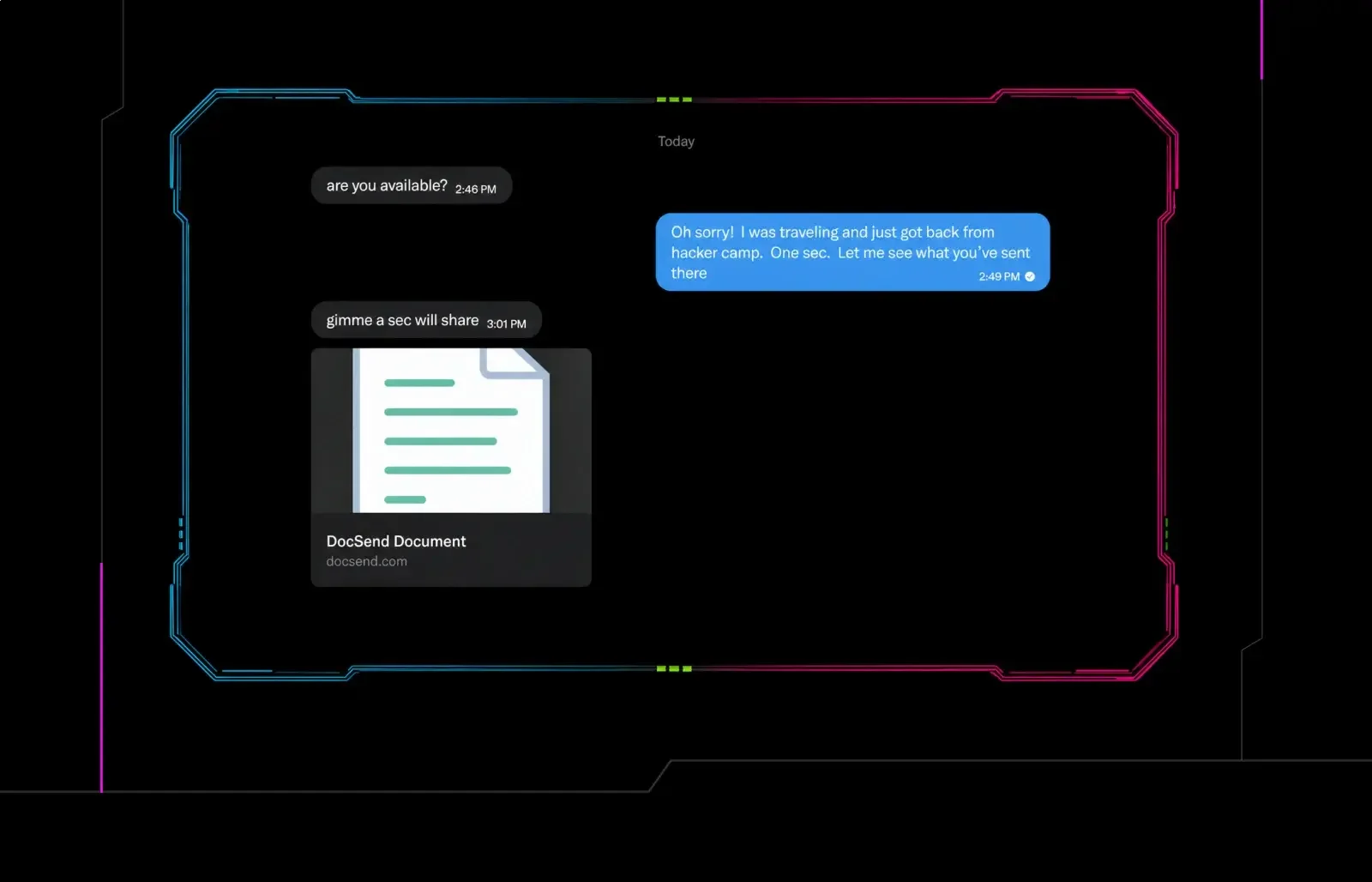
Huntress researcher uncovers post-Black Hat & DEF CON phishing campaign using X DMs & malicious documents to deliver AMOS, NetSupport RAT, and other malware.
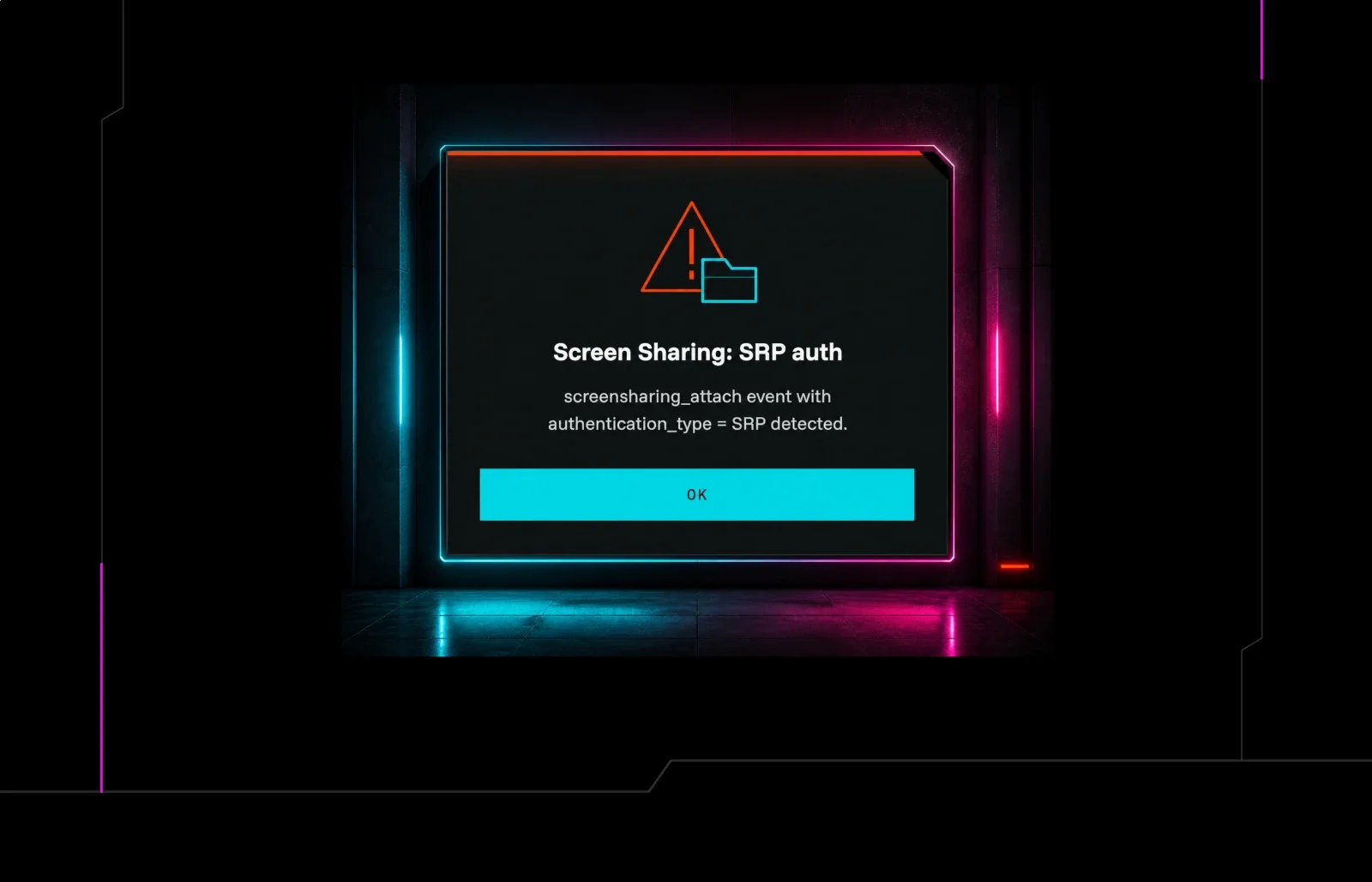
Apple’s latest macOS update addresses two vulnerabilities in its Screen Sharing server, including one that enables pre-authenticated remote code execution.
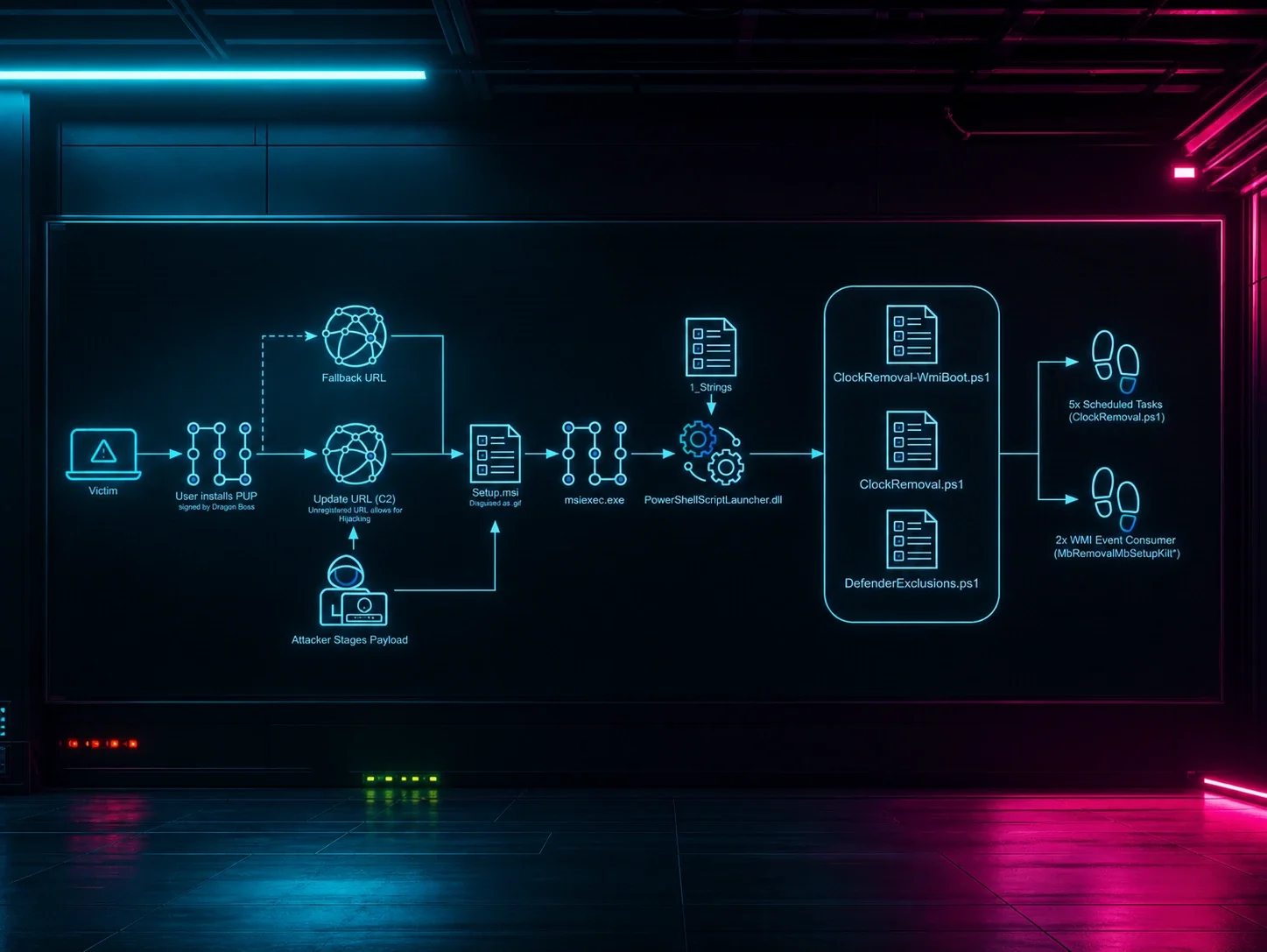
Understand a malware operation using a signed Potentially Unwanted Program (PUP) from Dragon Boss Solutions LLC to silently deploy a PowerShell-based AV killer with SYSTEM privileges. The most critical finding was that the malware's primary update domain, chromsterabrowser[.]com, was unregistered, creating a supply-chain risk where anyone could've registered the domain to push ransomware or other payloads to the 23,565 compromised endpoints.
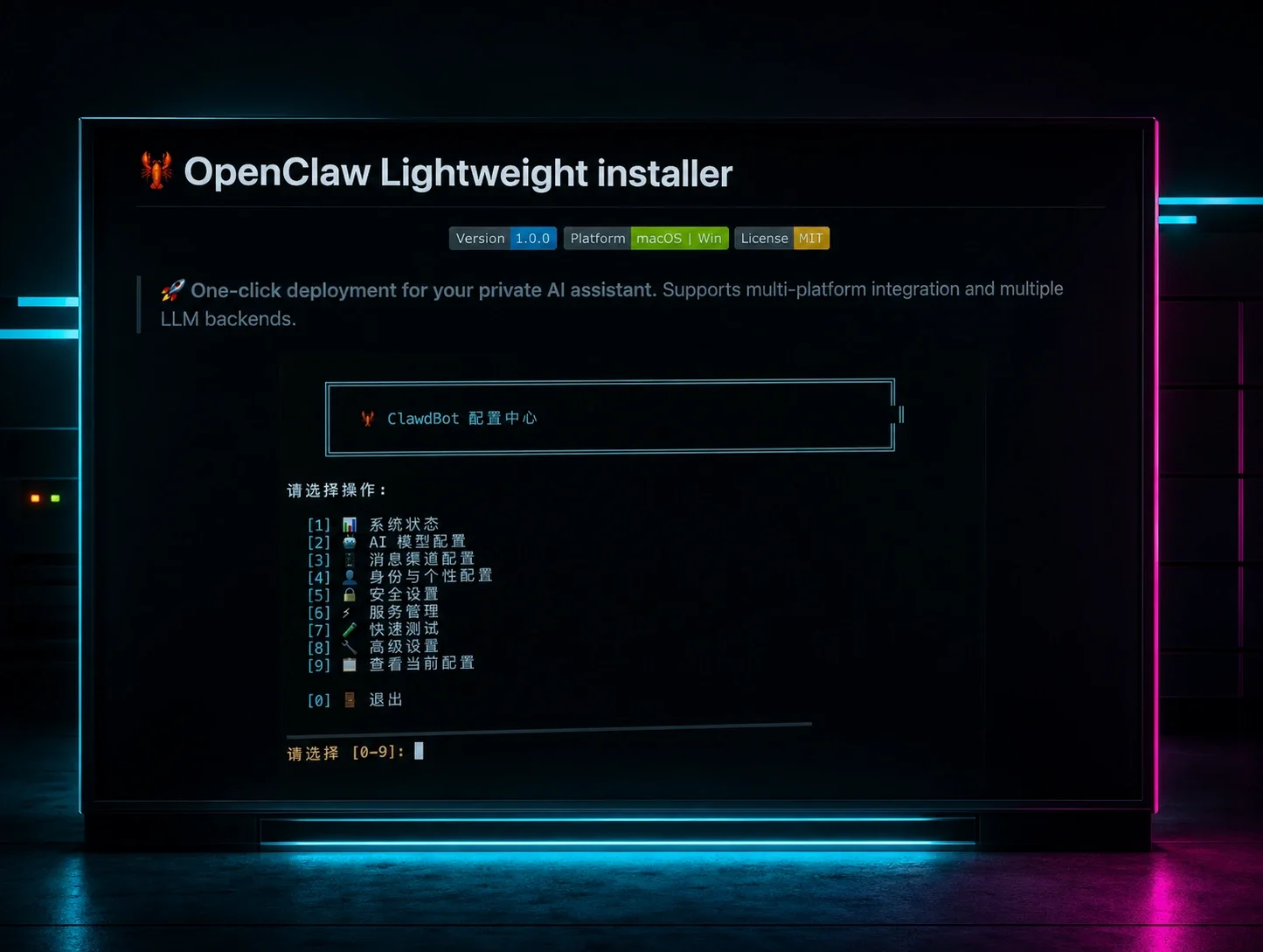
Fake OpenClaw installers sat quietly on GitHub for over a week, loading GhostSocks and information stealers onto every system that downloaded them. Here's what Huntress found.
