
Explore our Ransomware Guide to learn about the threat it poses to your business, the effects of an attack, and what you can do to protect your endpoints.
Published: 12/2/2025
Written By: Lizzie Danielson
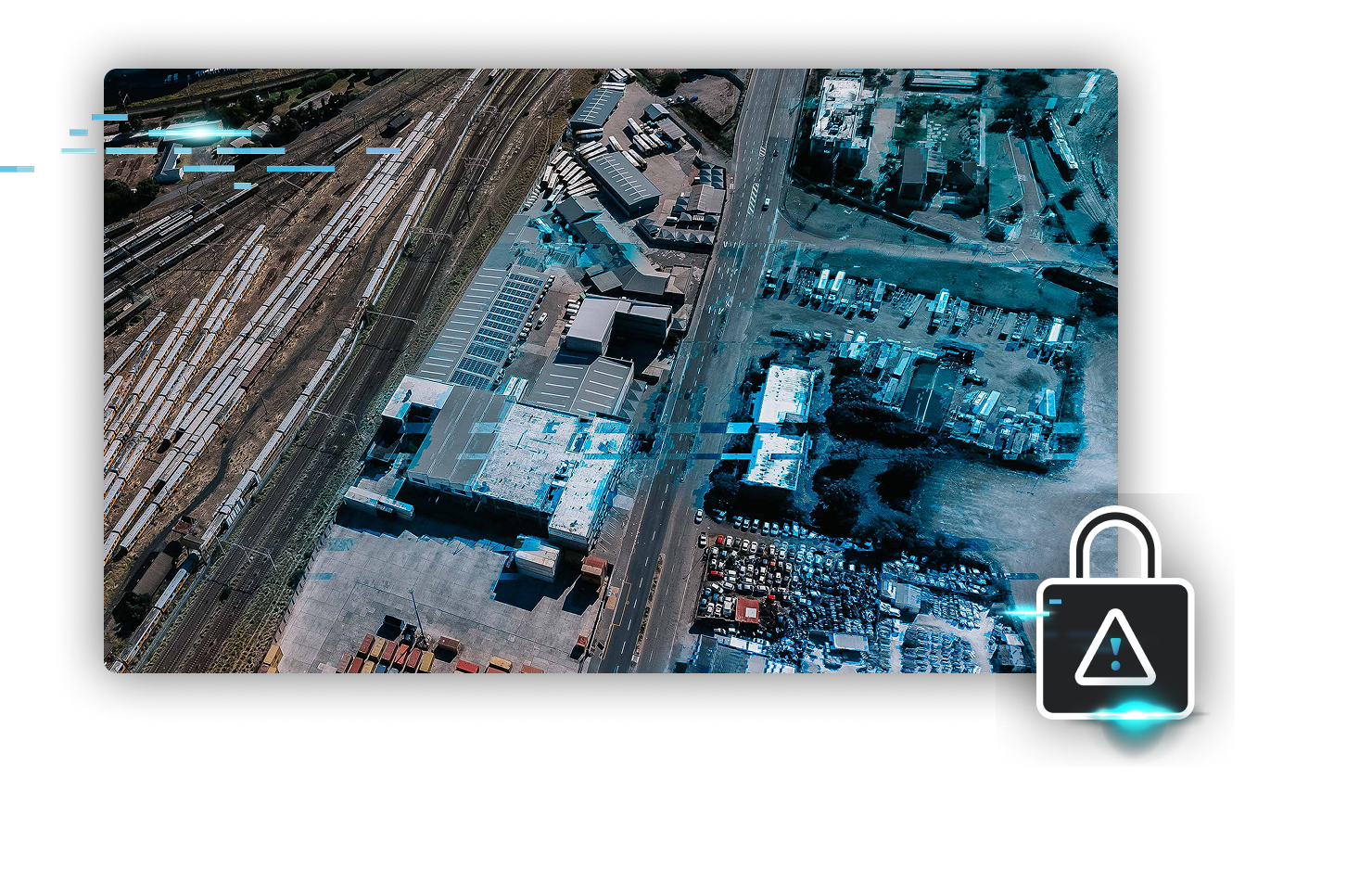
The Transnet ransomware attack was a major cyber disruption that primarily targeted South Africa’s Transnet, a state-owned logistics company. This attack, which occurred in 2021, caused widespread operational disruptions across critical sectors like shipping and logistics. It highlighted the growing threat of cybercrime on national infrastructure and emphasized the urgent need for improved cybersecurity defenses.
The Transnet ransomware attack was a cyber incident where attackers deployed malicious ransomware to encrypt Transnet's systems. Their primary goal was to disrupt operations and demand a ransom in exchange for decryption keys. The attack manifested as a supply chain bottleneck, affecting ports and cargo logistics. While the exact variant of ransomware wasn’t disclosed, it was part of a broader trend of targeting high-stakes industries.
The attack occurred in July 2021, with critical disruptions surfacing around July 22, 2021. This time frame marked a significant chapter in South Africa’s cybersecurity history and brought to light the devastating consequences of ransomware attacks on essential services.
The identities behind the Transnet ransomware attack remain unknown. However, some cybersecurity experts speculate that the attack was orchestrated by a sophisticated threat actor or group with experience targeting critical infrastructure. Further investigations have not conclusively identified the culprits.
The ransomware likely infiltrated Transnet's systems through phishing emails or exploiting unpatched vulnerabilities. Once inside, it propagated rapidly, encrypting files across their network. By targeting operational technology (OT) systems, the attackers were able to cause significant disruption to container terminals and associated logistics.
Transnet itself was the main victim, but the attack indirectly impacted supply chains and maritime trade in South Africa. Ports like Durban, Cape Town, and Ngqura suffered the brunt of the disruptions. Importers, exporters, and related stakeholders in global trade also faced ripple effects, amplifying the impact.
Though specific ransom demands were not disclosed, the attackers most likely requested payment in cryptocurrency—a common practice in ransomware campaigns. It is unclear whether Transnet complied with the ransom demand or opted for recovery through their own cybersecurity measures.
The ransomware’s exact code and behavior remain undisclosed due to limited technical information from public reports. However, it exhibited characteristics typical of modern ransomware, such as encryption of critical data and disabling key systems. The Transnet attack showcased the dangerous intersection of ransomware and operational technology, with an emphasis on targeting critical infrastructure.
The attackers used phishing or social engineering techniques to gain access, combined with exploiting known vulnerabilities in Transnet's systems. Once inside, lateral movement and encryption of vital files rendered the company’s operations inoperable.
Suspicious email domains and IP addresses targeting Transnet providers
Encrypted files with unusual extensions
Elevated network traffic or anomalies on Transnet's critical infrastructure systems
The ransomware attack caused severe operational disruptions at South Africa’s ports, resulting in cargo delays and financial losses in supply chains. Transnet declared force majeure, a rare step that highlighted the attack's gravity. The incident also damaged Transnet’s reputation and underscored weaknesses in the national cybersecurity framework.
Transnet took immediate steps to recover, including isolating infected systems and collaborating with cybersecurity specialists to restore functionality. Governments and private stakeholders also worked to mitigate supply chain disruptions. Lessons learned from this incident underscore the importance of proactive cybersecurity programs.
The specific ransomware targeting Transnet has not resurfaced publicly, but the attack exposed vulnerabilities in critical infrastructure that could be exploited by future ransomware campaigns. The threat of ransomware targeting OT systems remains very relevant today.
Regularly patch and update systems to close known vulnerabilities.
Conduct frequent employee training on phishing and email security.
Implement robust segmentation to isolate OT systems from IT networks.
Deploy endpoint detection tools to monitor for early signs of intrusions.
Maintain secure offline backups to ensure rapid recovery.
Stay informed about WannaCry and other cyber threats by visiting the Huntress Blog.
Learn more about ransomware protection strategies through these Huntress resources:

Ransomware is a type of malware that cuts off your access to computers, systems, or networks. Watch the video from our Security Operations Center (SOC) for a breakdown of the ransomware attack path, so you can spot it early, shut it down, and steer clear of hacker paydays.
By the time you see the ransom note, the attack's been underway for hours, sometimes days. The encryption is the last step, not the first. If you only react when files lock up, you've already lost the part that mattered.
The ransomware likely infects systems through malicious phishing emails or exploitation of unpatched vulnerabilities in software and operational technology.
Decryption is typically only possible with the attackers’ decryption key, emphasizing the importance of prevention and maintaining secure backups.
The logistics and shipping sectors were hit hardest, with widespread impacts across importers, exporters, and global trade routes.
Implement robust cybersecurity measures, train employees in email security, patch vulnerabilities promptly, and deploy tools for early detection and response.