
Explore our Ransomware Guide to learn about the threat it poses to your business, the effects of an attack, and what you can do to protect your endpoints.
Published: 12/2/2025
Written By: Lizzie Danielson

The Synnovis ransomware attack targeted critical IT infrastructure within the NHS system, specifically affecting Synnovis, a diagnostic services provider. This cyberattack led to significant disruption of healthcare services, compromising both patient data and care delivery systems. Its impact reverberated across the NHS and raised questions about cybersecurity readiness in sensitive industries like healthcare.
The Synnovis ransomware attack brought healthcare services in parts of the UK to a standstill by encrypting critical systems. Designed to disrupt operations and extract financial compensation, the ransomware also exposed vulnerabilities in healthcare IT systems. Though the specific ransomware strain used remains unclear, its purpose was clear—financial gain at the expense of healthcare delivery.
The attack was reported in late June 2023, with its effects rippling through the following weeks. This timeline caused prolonged operational disruptions, highlighting the consequences of prolonged ransomware-induced downtime.
The identities of the threat actors behind the Synnovis ransomware attack remain unknown. However, cybersecurity experts suspect a sophisticated cybercriminal group due to the attack’s scale and its targeting of critical healthcare infrastructure.
The attack primarily exploited known vulnerabilities in outdated IT systems. Reports suggest that the ransomware entered through phishing emails or weak remote desktop protocol (RDP) connections—a common entry point for cyberattacks. Once inside, the ransomware quickly spread across interconnected systems, locking down files and demanding ransom payments for decryption keys.
The primary victim of the ransomware attack was Synnovis, along with related NHS services. These disruptions affected diagnostic and laboratory services, indirectly impacting patients relying on timely diagnoses and treatments.
Exact ransom demands were not disclosed to the public. However, such attacks typically involve demands in cryptocurrency, often in the range of millions of dollars. Officials did not confirm whether any payment was made.
Synnovis ransomware functioned by encrypting sensitive data files using advanced cryptographic algorithms. It targeted not only databases but also virtual machines and backup systems, making recovery difficult without decryption keys or adequate mitigation measures in place.
The attackers employed tactics such as phishing, lateral movement through compromised networks, and exploitation of software vulnerabilities. Key techniques included using RDP brute force, credential theft, and encryption of critical systems.
IP addresses showing unusual activity
Suspicious domain names linked to malware command and control (C2) servers
File extensions altered to indicate encryption, such as ".locked"
Sudden spikes in CPU usage assocciated with encryption processes.
The attack caused immense operational downtime across NHS diagnostic services, resulting in delayed patient care, increased administrative burden, and potential risks to patient outcomes. Financial losses incurred from halted operations and recovery efforts were significant, though specific figures remain undisclosed.
Recovery efforts involved collaboration between NHS cybersecurity teams, Synnovis staff, and external security experts. Systems were gradually restored over weeks, though the attack exposed critical areas requiring stronger defense mechanisms. The event prompted calls for improved cybersecurity frameworks across the healthcare sector.
While Synnovis ransomware itself appears dormant, the vulnerabilities it exposed remain a concern. Healthcare institutions continue to face elevated cybersecurity threats due to their reliance on interconnected IT systems.
Implement multi-factor authentication (MFA) across all systems.
Conduct regular employee training to identify phishing attempts.
Keep software and systems updated with the latest security patches.
Invest in endpoint detection and response (EDR) tools and proactive threat hunting.
Establish a robust data backup and disaster recovery plan.
Stay informed about Western Digital My Cloud Outage and other cyber threats by visiting the Huntress Blog.
Learn more about ransomware protection strategies through these Huntress resources:

Ransomware is a type of malware that cuts off your access to computers, systems, or networks. Watch the video from our Security Operations Center (SOC) for a breakdown of the ransomware attack path, so you can spot it early, shut it down, and steer clear of hacker paydays.
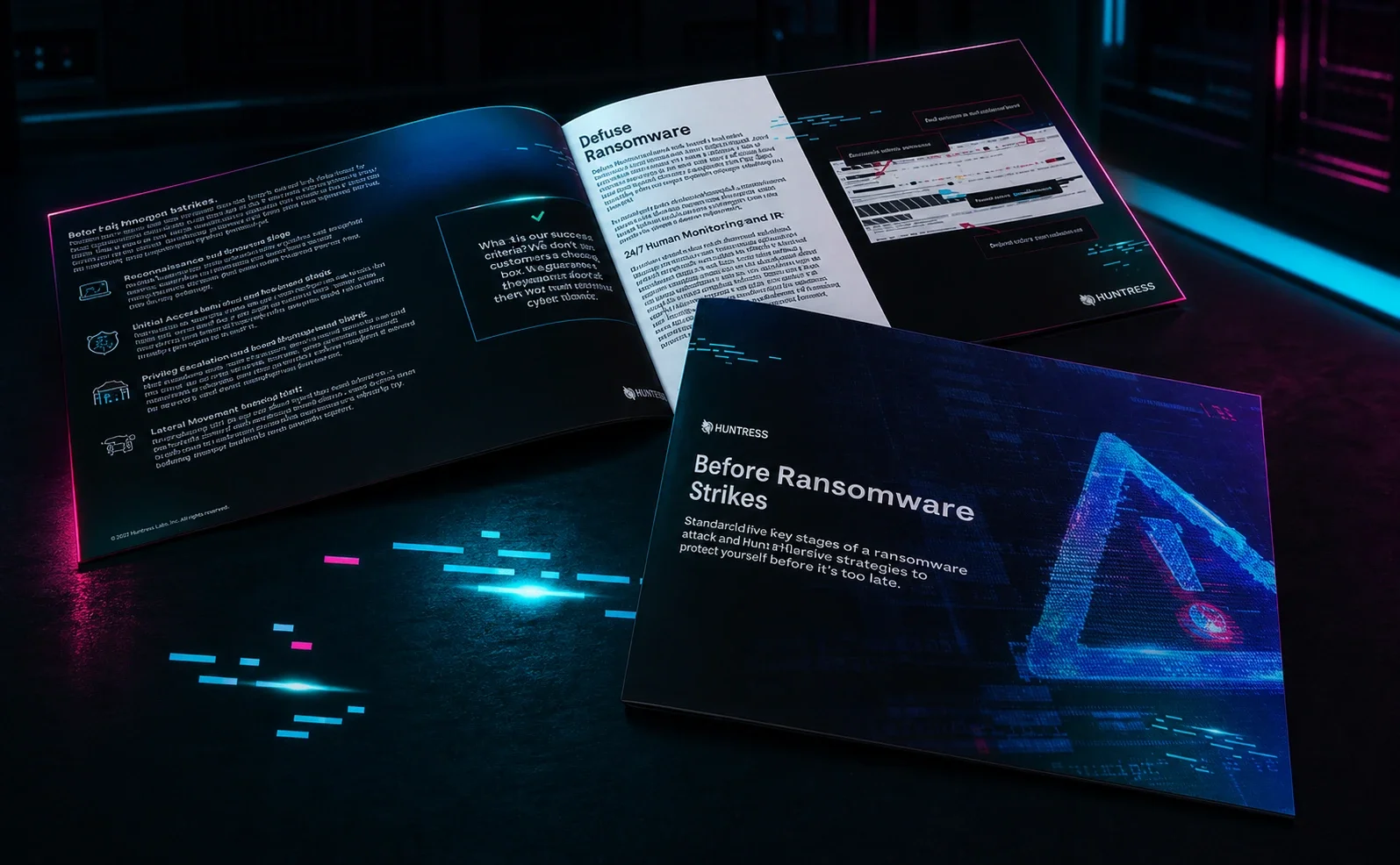
By the time you see the ransom note, the attack's been underway for hours, sometimes days. The encryption is the last step, not the first. If you only react when files lock up, you've already lost the part that mattered.
Synnovis ransomware spreads primarily through phishing emails and unpatched system vulnerabilities. Once inside, it swiftly encrypts files and propagates through the network.
Without the attacker-provided decryption key, decryption is nearly impossible. That's why prevention and regular backups are critical.
Healthcare was the primary target, especially diagnostic services and related NHS operations.
Businesses can defend against attacks by updating software, conducting regular cybersecurity training, using MFA, and implementing a robust backup strategy.