Protect What Matters
Secure endpoints, email, and employees with the power of our 24/7 SOC. Try Huntress for free and deploy in minutes to start fighting threats.
Published: 12/2/2025
Written By: Lizzie Danielson
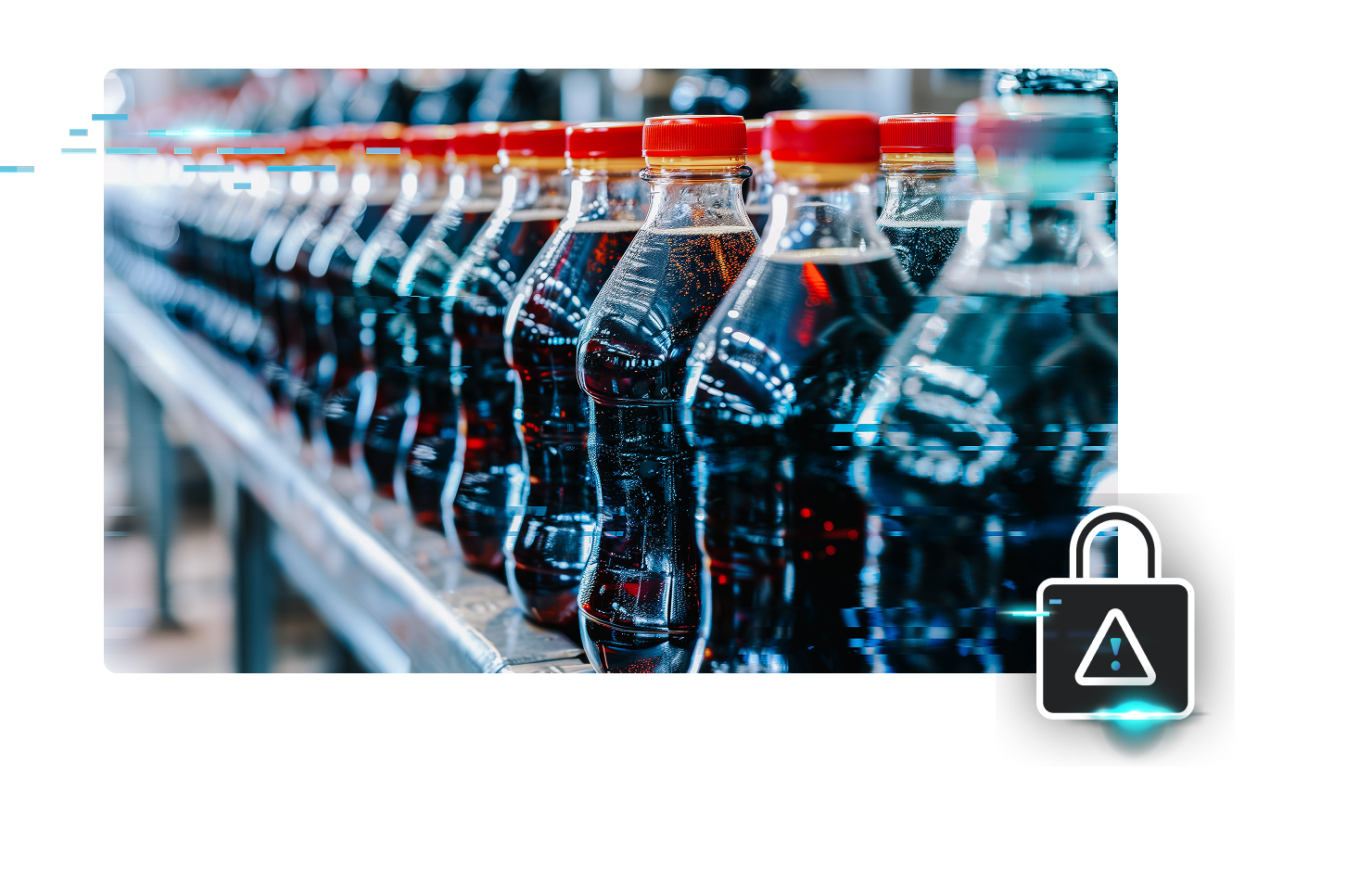
The Pepsi Bottling Ventures data breach is one of the latest large-scale ransomware attacks to hit a major company in the food and beverage sector. Targeting sensitive employee data and potentially disrupting operations, this attack highlights the urgent need for robust cybersecurity measures across industries.
The data breach at Pepsi Bottling Ventures stemmed from a ransomware attack aimed at exfiltrating sensitive organizational data. The ransomware not only encrypted important files but also stole confidential information, heightening the risk of misuse. This attack primarily focused on employee and contractor data, indicating a financially motivated operation designed to extort or monetize stolen information.
The breach reportedly occurred between December 23, 2022, and January 19, 2023. The attack remained undetected for almost a month, allowing the perpetrators enough time to compromise both systems and sensitive data.
The identities behind this ransomware attack remain unknown. However, its tactics and targets suggest it could be the work of a sophisticated cybercriminal group specializing in data exfiltration and extortion schemes.
The ransomware spread after initial access was gained, likely through phishing emails or compromised credentials. Once inside the network, it propagated to critical systems, encrypting files and exfiltrating sensitive data. After detection, the usual recovery process revealed significant data access and exposure.
The primary victims of this attack were current and former employees, as well as contractors associated with Pepsi Bottling Ventures. The breach exposed sensitive personal data, including names, Social Security numbers, driver's license numbers, and financial details.
While details of the ransom demand remain unclear, it is typical in similar cases for attackers to request payment in cryptocurrency. There is no confirmation that Pepsi Bottling Ventures paid a ransom.
The exact ransomware variant used in this attack is undisclosed. However, common attack behaviors include encrypting files with advanced algorithms, creating ransom notes, and employing lateral movement across the network for maximum impact.
The attackers used phishing emails or social engineering to gain initial access, followed by lateral movement and privilege escalation. Techniques commonly involve disabling antivirus, encrypting backups, and ensuring persistence by creating C2 communications.
Suspicious outbound connections to unknown IPs.
Unusual logins, especially from foreign IPs.
Files with unusual extensions or ransom notes.
Presence of encryption-related executables.
The attack caused significant disruption, including potential operational downtime and reputational damage. Financially, it exposed thousands of individuals’ sensitive data, possibly leading to class-action lawsuits and regulatory fines. Trust in Pepsi Bottling Ventures' ability to protect data also suffered.
Following detection, Pepsi Bottling Ventures initiated a swift incident response, notifying affected parties and implementing enhanced security measures. Efforts included engaging third-party cybersecurity experts to contain the attack, conduct investigations, and restore systems.
Although the specific ransomware variant is no longer actively threatening Pepsi Bottling Ventures, ongoing risks exist for other companies. This attack underscores the importance of vigilant monitoring, threat detection, and prevention strategies.
Enhance Endpoint Protection: Deploy multi-layered endpoint security solutions.
Conduct Employee Training: Educate staff on recognizing phishing attempts and handling suspicious communications.
Implement Zero Trust Architecture: Limit users to the minimal access necessary for their roles.
Regular Backups: Ensure encrypted and geographically isolated backups to recover affected systems.
Patch Management: Regularly update all software and hardware to patch vulnerabilities.
For more details on the Pepsi Bottling Ventures attack and related cybersecurity updates, check these resources:
Learn more about ransomware protection strategies through these Huntress resources:
Ransomware typically infiltrates systems through phishing emails, malicious attachments, or exploiting unpatched vulnerabilities. It propagates by exploiting weak security measures or misconfigured network protections.
While some ransomware variants have decryption tools available, many use robust encryption techniques that can only be bypassed by the attackers. Prevention is the best defense.
The food and beverage sector was directly impacted, alongside employees and contractors who had their personal data exposed.
Businesses can mitigate risks by implementing regular security awareness training, conducting vulnerability assessments, employing endpoint protection, and maintaining secure, redundant backups.