

Blog Post
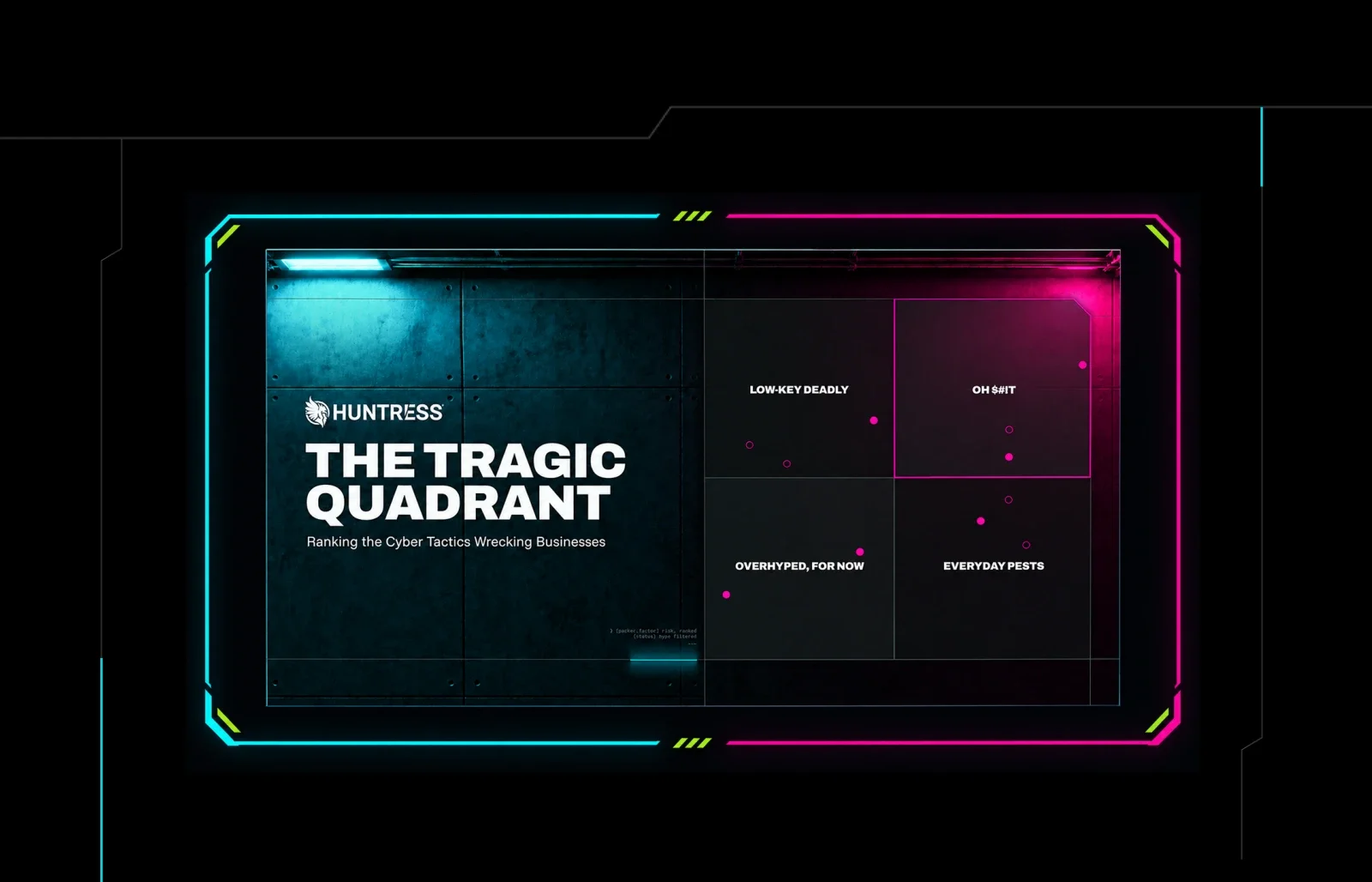
Huntress Tragic Quadrant: Top Cyber Threats Wrecking Businesses
The Huntress Tragic Quadrant ranks the cyber threats hitting businesses most, from RMM abuse to AiTM, ClickFix, using real SOC data.

The Huntress Tragic Quadrant ranks the cyber threats hitting businesses most, from RMM abuse to AiTM, ClickFix, using real SOC data.
Learn what good privilege hygiene looks like, from local admin sprawl to accidental access, plus least privilege best practices you can start today.
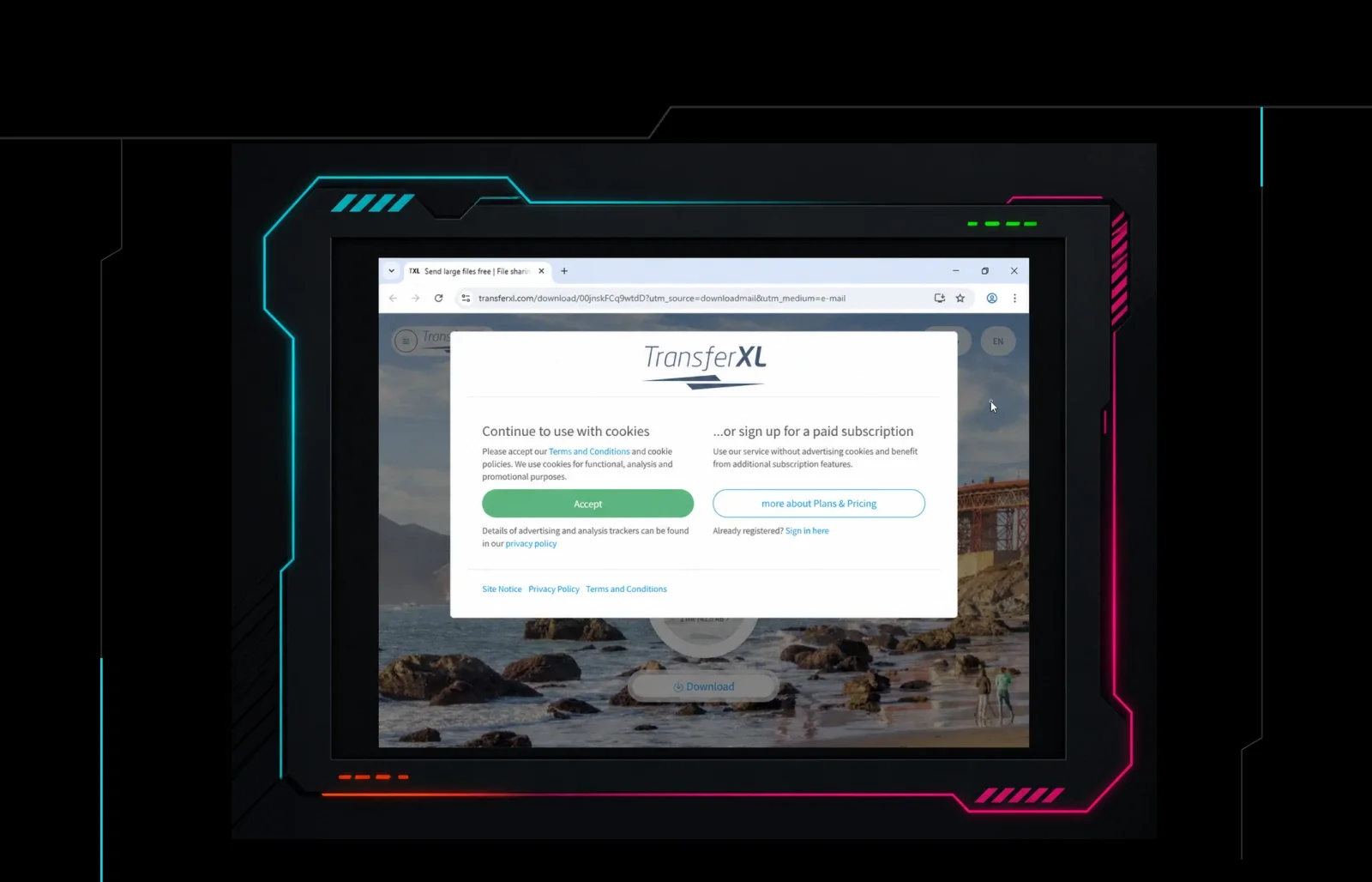
The Huntress SOC uncovered phishing attacks that trick employees into installing rogue RMM tools like ScreenConnect for persistent access. Learn how to spot it.
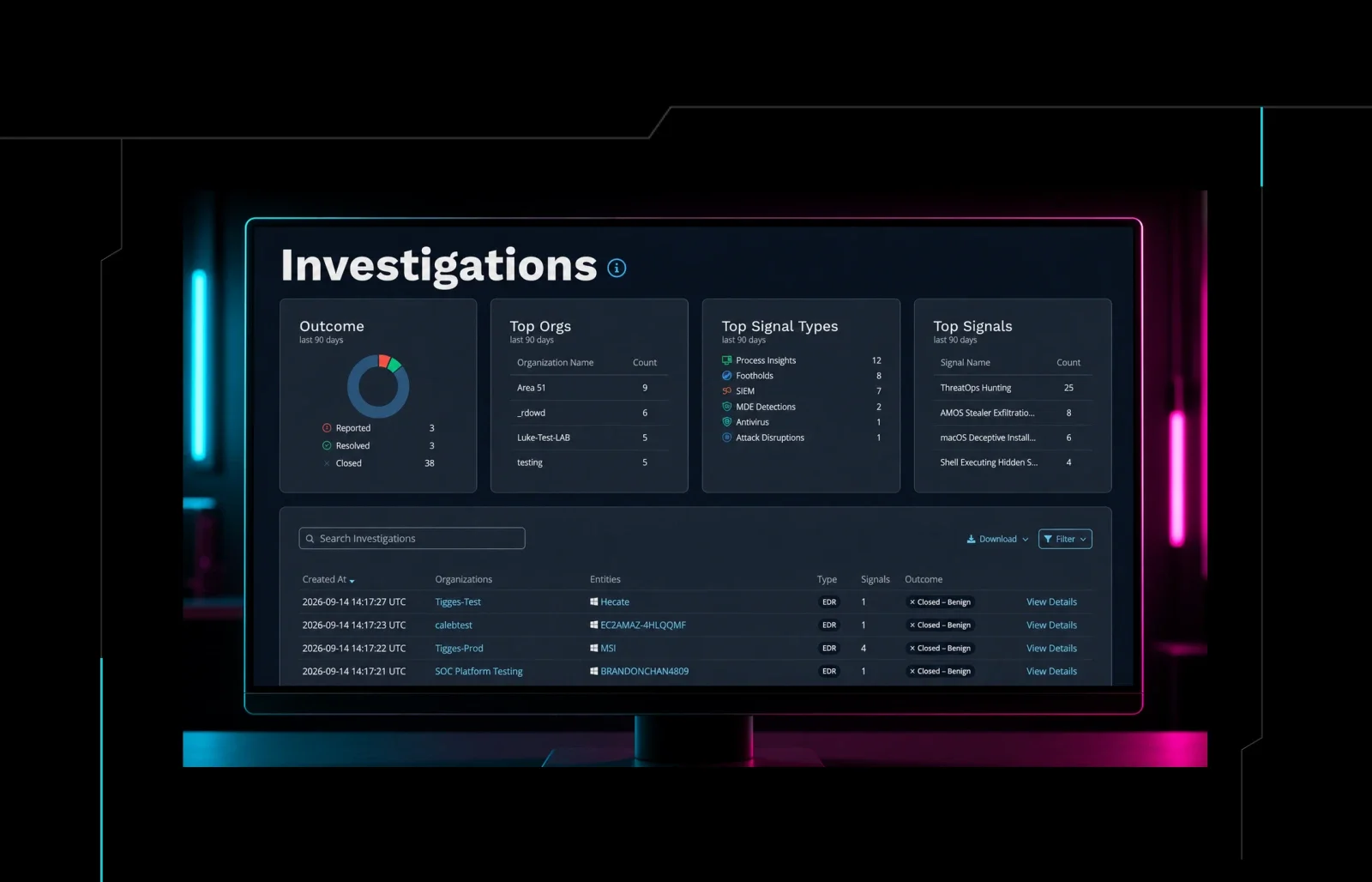
AI hasn't changed attacker tradecraft, just the speed. See how Huntress built Athena, an agentic SOC partner, to help analysts keep pace.
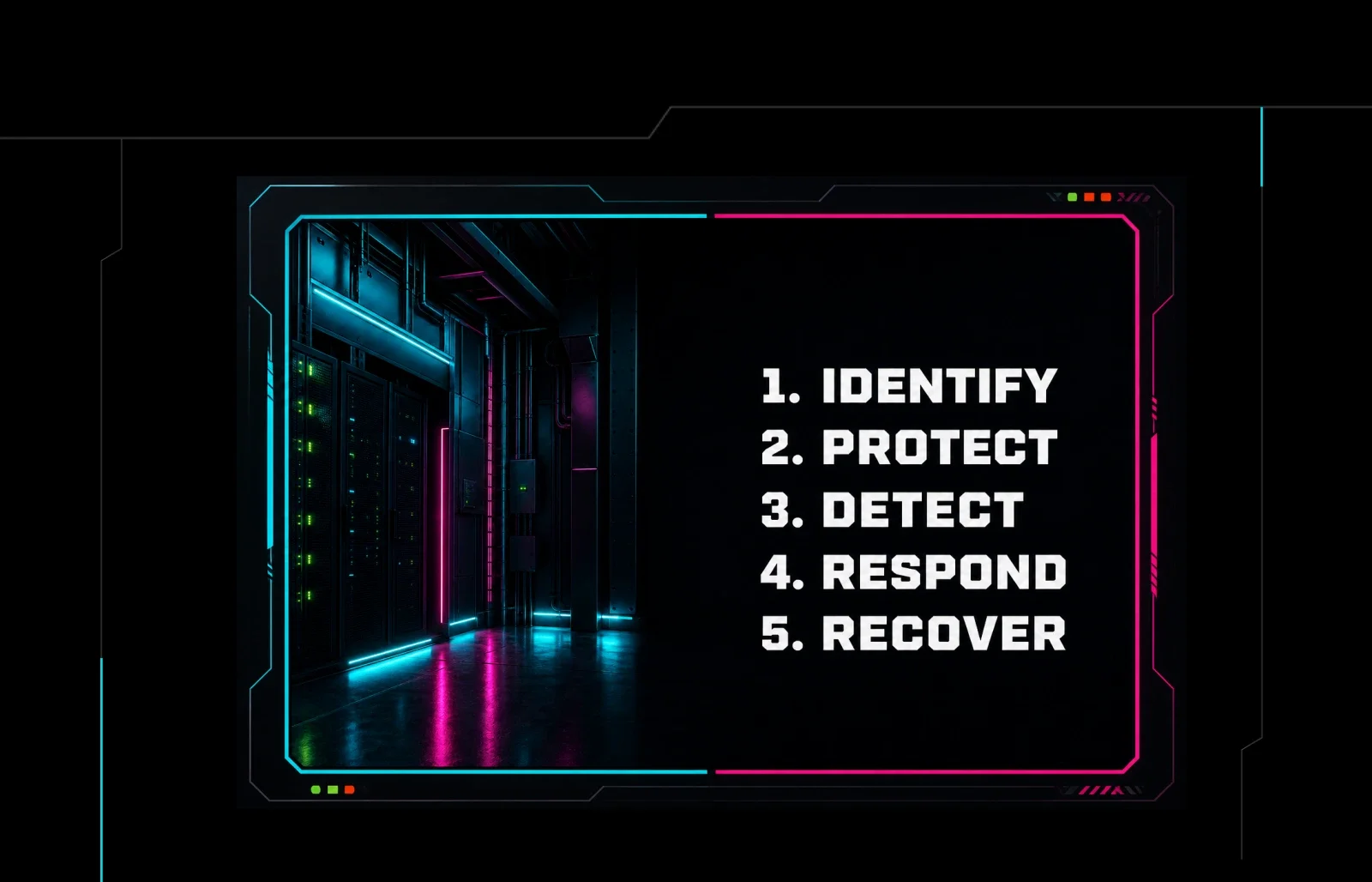
An incident response plan only works if it's tested. Learn the 5 pillars of operational resilience and how to turn your plan into muscle memory before an attack hits.
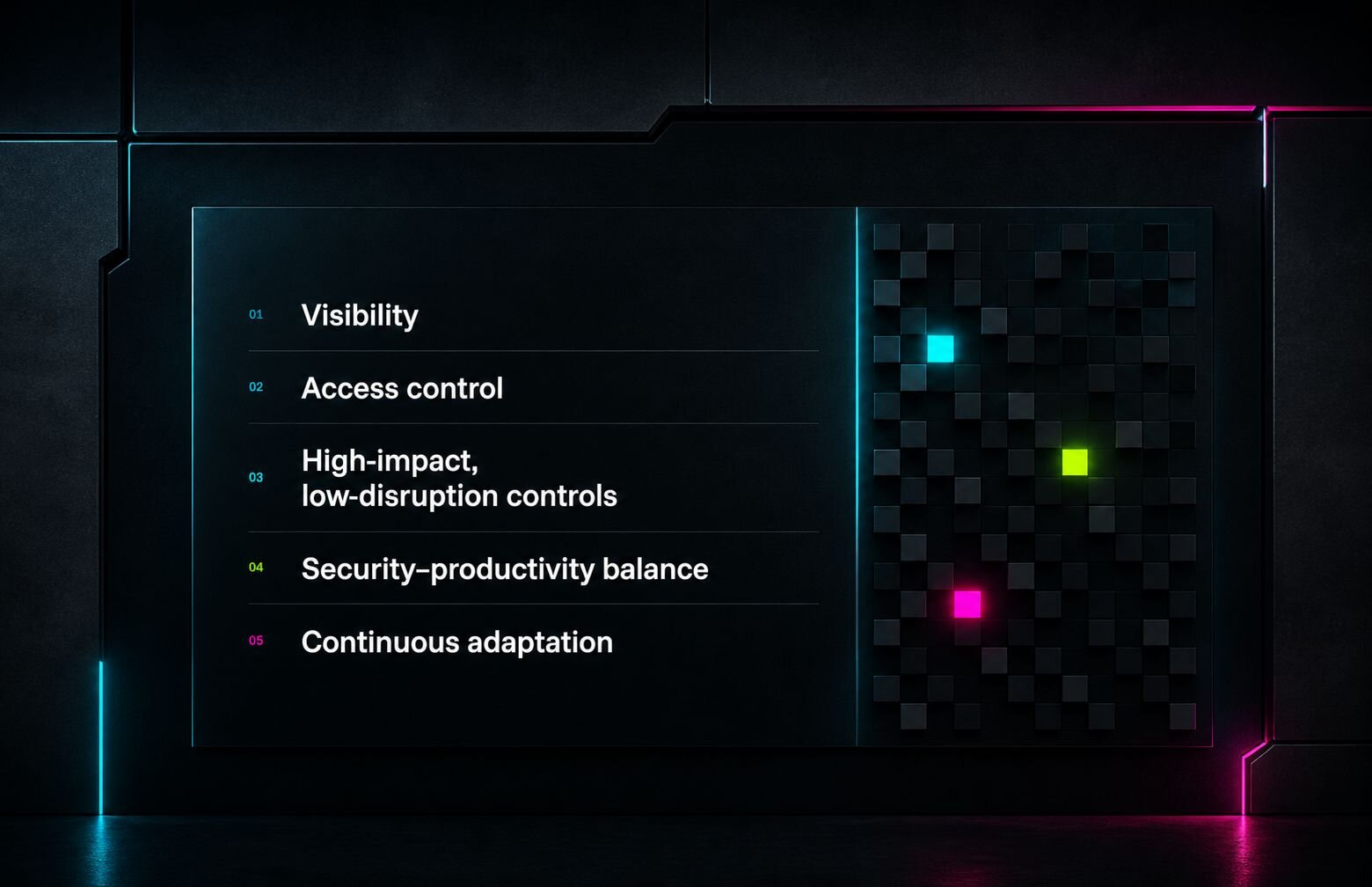
Learn what endpoint hardening is, why it matters, and best practices to reduce attack surface, control access, & stop common intrusion paths.
