Cybersecurity professionals and end users alike can take the following precautions to combat domain spoofing effectively:
Enable Email Authentication Protocols: Use SPF, DKIM, and DMARC protocols to validate genuine domains and block spoofed emails from reaching inboxes.
Verify URLs Carefully: Hover over links in emails and double-check website URLs for accuracy before clicking.
Leverage DNS Security Tools: Implement tools that monitor DNS activity to detect anomalies or attempts at impersonation.
Educate Teams and Individuals: Training employees and users to recognize spoofing attempts can significantly reduce risks.
Use Trusted Cybersecurity Solutions: Invest in anti-phishing tools, secure web gateways, and monitoring systems to detect and prevent threats.
What is the Difference Between Domain Spoofing and Brand Jacking?
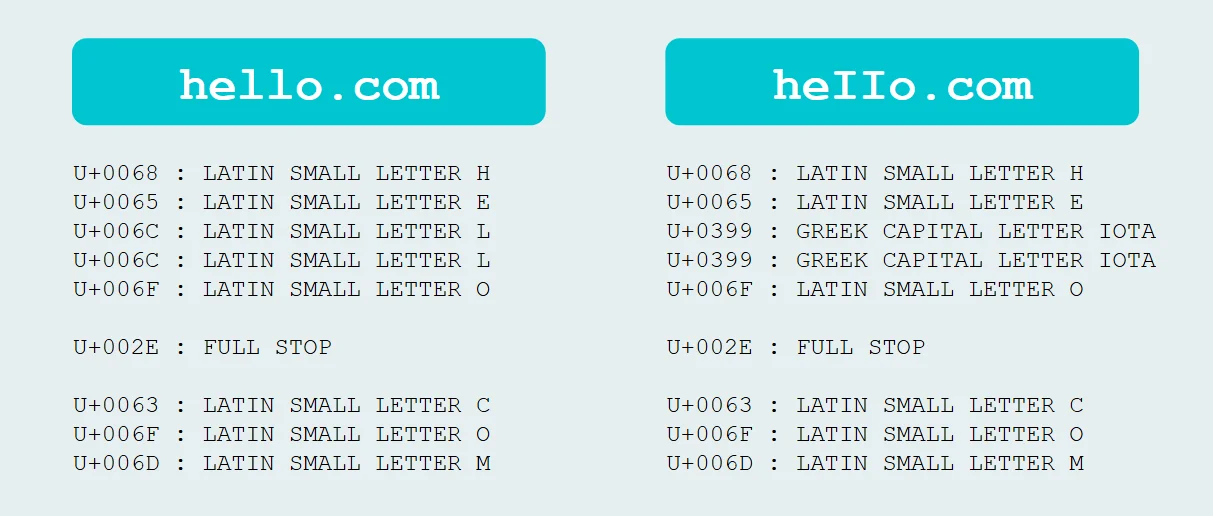
While domain spoofing and brand jacking often overlap in the realm of cyber threats, they represent distinct malicious activities with different focuses. Domain spoofing occurs when attackers falsify a domain to mimic a legitimate one, often by creating a misleadingly similar URL. The goal is usually to deceive users into believing they are interacting with a trusted entity, which can lead to phishing, malware distribution, or unauthorized data collection. For example, replacing a letter in the domain name with a similar-looking character (like swapping “o” with “0”) is a common tactic.
Brand jacking, on the other hand, involves exploiting a brand’s reputation and identity to manipulate users. This threat extends beyond domain imitation and can encompass fake social media accounts, counterfeit websites, or unauthorized use of logos and branding elements. Brand jacking often aims to erode consumer trust, steal sensitive information, or profit from impersonating a well-known business.
Understanding the nuances between these two tactics is crucial for effectively addressing the threats they pose. Implementing security measures that protect domains, as well as broader brand assets, can help mitigate the risks associated with both domain spoofing and brand jacking.









 Summarize This Page