Learn what clickjacking is, how it works, real-world examples, and preventive measures to protect your organization from malicious click-based attacks.
What Is Typosquatting?
Written by: Brenda Buckman
Published: 9/4/2025



 Summarize This PageSummarize This Page
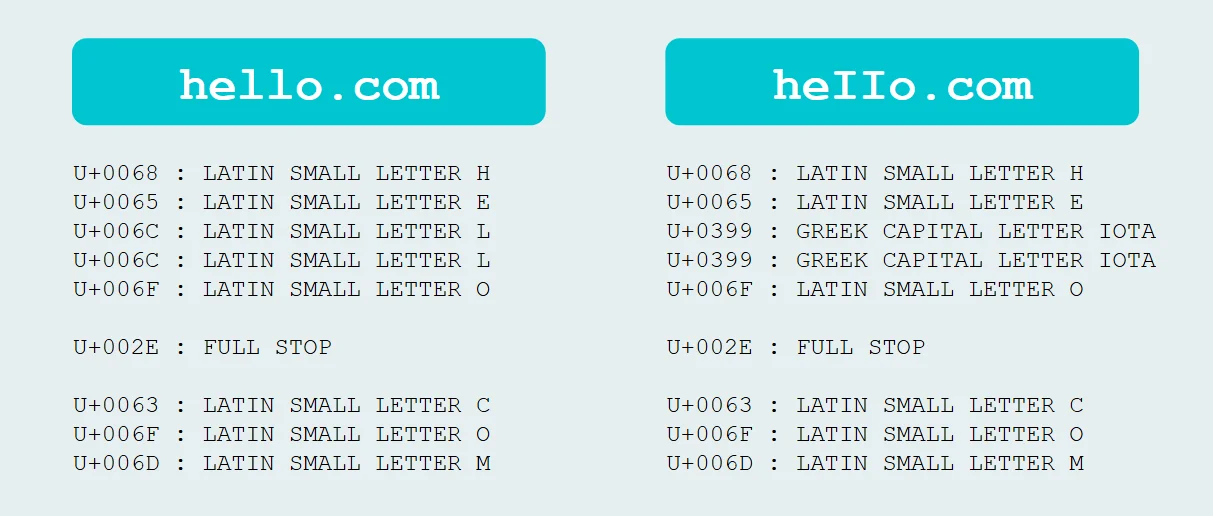
Typosquatting is what happens when cybercriminals channel their inner trickster and register misspelled or lookalike versions of legit domain names. The plan? To scoop up users who accidentally type a URL wrong or fall for a sneaky fake. These knockoff domains are often used to dish out phishing scams, malware, or steal login details. Think of it as the digital version of a bait-and-switch.
Here’s the playbook: attackers build a fake website that looks just like the real deal. When you accidentally land on their bogus domain (thanks to a small typo or a misleading link), you might unknowingly enter your username, password, or even payment info. Once that info’s in their hands, it’s game on for account takeovers, draining bank accounts, or sneaking deeper into a network. Yikes!
Glad you asked! Both are about domain hijinks, but here’s the nitty-gritty:
Bottom line? Typosquatting thrives in the shadows, while cybersquatting tries to make a (usually unwanted) business proposal.
Good news, there are ways to fight back! Here’s your checklist for keeping typosquatters at bay:
Yep, and some of them are rockstars in the fight against fake domains. A few worth checking out:
These tools give your security team a head start, helping you stay a few mistakes (and clicks) ahead of the scammers.
Short answer? It can be. If the typosquatted domain messes with a trademark or gets used in shady ways (think phishing, malware, or straight-up impersonation), you can often take legal action. The Anticybersquatting Consumer Protection Act (ACPA) in the U.S. and international ICANN policies like the UDRP back you up. But heads up, enforcement gets tricky if the attacker stays anonymous or hides out overseas.
Bottom line? While the law has your back, staying proactive with monitoring and protection is the real MVP in this fight!