What is Cryptocurrency? A Beginner’s Guide to the Digital Revolution
Cryptocurrency has taken the world by storm, promising a new way to think about money, transactions, and even entire economies. But with this growing popularity comes confusion, risks, and sometimes outright fraud. Whether you're completely new to the concept or looking to expand your understanding, this guide will break down what cryptocurrency is, how it works, and how to stay safe from common scams in the crypto world.
What exactly is cryptocurrency?
At its core, cryptocurrency is digital money. Unlike traditional currencies (dollars, euros, yen), cryptocurrencies only exist electronically and are typically decentralized, operating independently of governments or banks. Instead of being issued by a nation, they're created and managed using blockchain technology.
Bitcoin, the first cryptocurrency, set the standard for this concept when it launched in 2009. Since then, thousands of cryptocurrencies have entered the market, ranging from popular ones like Ethereum and Litecoin to niche tokens serving specific purposes in gaming, art, and more.
Think of cryptocurrency as an evolving form of currency that enables seamless, fast, and borderless transactions without the need for an intermediary like a bank.
How does cryptocurrency work?
To understand cryptocurrency, you’ll need to grasp a few basics about how it operates:
1. The Role of Blockchain
Blockchain acts as the digital ledger underpinning cryptocurrency. Picture an enormous, tamper-proof spreadsheet that records every transaction made with a particular cryptocurrency. Each transaction is stored in a “block,” and once verified by a decentralized network of computers (called nodes), it is added to the “chain” of previous transactions.
This structure ensures transparency and security, making it nearly impossible for a single person or entity to alter records retroactively.
2. Decentralization
Unlike the money in your bank account, which is issued and controlled by a centralized authority like a government or central bank, cryptocurrencies operate on decentralized networks. This means no single institution has control over the currency, which appeals to people seeking financial independence or freedom from traditional systems.
3. How Transactions Work
When you send or receive cryptocurrency, your transaction is confirmed through a process called mining (or validation). This is done by people using powerful computers to solve complex mathematical puzzles, ensuring the transaction’s legitimacy.
Once verified, the transaction is finalized and added to the blockchain. Depending on the network, transaction fees are often lower than those of traditional banking systems or payment platforms.
What is Blockchain?
Blockchain isn’t just for cryptocurrency. It’s a revolutionary technology that powers countless applications. At its most basic level, blockchain is a digital ledger distributed across a network of computers.
Here’s why blockchain is critical to cryptocurrency and other industries, like supply chain management and healthcare:
Transparency: Every transaction is recorded and visible to all participants on the network.
Security: Data once added to the blockchain is nearly impossible to alter, ensuring integrity.
Trust: Cryptocurrencies automatically enforce trustworthy behavior through smart contracts, which execute transactions only when agreed-upon terms are met.
You can think of blockchain as the backbone of cryptocurrency, ensuring every transaction is verifiable and every account balances out. It’s the reason cryptocurrency works as securely and seamlessly as it does.
Let’s cover the benefits of cryptocurrency
Cryptocurrency brings unique advantages to the table, making it highly appealing to individuals and businesses alike.
Fast Transactions: Crypto allows for near-instant cross-border transactions, 24/7, without dependency on banks.
Lower Fees: Avoid traditional banking fees for transactions, currency exchanges, and credit card charges.
Ownership and Control: You own your cryptocurrency outright without the risk of third parties freezing your funds.
Transparency: With blockchain technology, all activity is recorded openly, reducing the likelihood of fraud (at least on the technical side).
But as with any technology, there are risks to manage, especially when it comes to safety and security.
Stay vigilant of common cryptocurrency scams
As cryptocurrency grows, so does the creativity of cybercriminals looking to take advantage of this booming market. Here are some common scams to watch out for and tips to protect yourself.
1. Phishing Scams
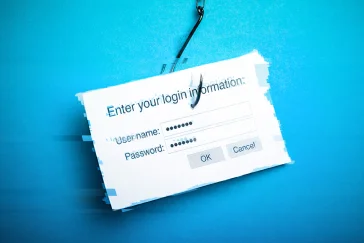
You might receive an email or message pretending to be from a legitimate cryptocurrency site, wallet, or exchange, asking you to share login credentials or private keys.
Tip: Never click on unknown links. Always verify the sender and, if in doubt, access your crypto accounts directly through their official website or app.
2. Fake Investment Opportunities
Some scammers lure people into “guaranteed profits” or “no-risk” investment schemes. Once you send your money, you never see it again.
Tip: If something sounds too good to be true, it probably is. Stick to reputable exchanges and do your own research before investing.
3. Fake Wallets and Apps
Some fraudulent apps offer to store your cryptocurrency only to steal your funds.
Tip: Only download wallet apps from trusted sources like the App Store or Google Play, and verify the app developer’s credentials.
4. Social Engineering Scams
Scammers might impersonate influencers, celebrities, or even your close friends to trick you into sending cryptocurrency, often promising to double your money.
Tip: Real giveaways or promotions never ask for your crypto first. Always be skeptical of requests for funds “right now.”

Safeguard your digital assets
Cryptocurrency opens up a world of exciting possibilities—from revolutionizing how we transfer value to offering new ways to trade and invest. But as with all potentially groundbreaking technologies, there’s a crucial need to stay informed and vigilant.
By understanding how crypto works, leveraging the transparency of blockchain, and arming yourself with knowledge about common scams, you can take full advantage of the opportunities it offers while staying safe.
Why Huntress Security Awareness Training?
Navigating the world of cryptocurrency can feel like uncharted territory, but you don’t have to face it alone. Huntress Security Awareness Training empowers you and your team to spot red flags, outsmart common scams, and protect your digital assets with confidence. By staying informed and proactive, you’ll foster a culture of vigilance in today’s rapidly evolving landscape.
Additional Resources
- Read more about What Is Crypto Malware A Guide to Cryptojacking and DetectionDiscover what crypto malware is, how it works, and how to prevent cryptojacking. Protect your systems with key insights and proactive defenses.
- Read more about What Is a Romance Scam? | Cybersecurity 101What Is a Romance Scam? | Cybersecurity 101Learn what romance scams are, how they work, warning signs to watch for, and how cybersecurity professionals can help protect organizations and individuals.
- Read more about What Is a Callback Scam? How It Works and How to Stop ItWhat Is a Callback Scam? How It Works and How to Stop ItA callback scam tricks victims into calling a phone number controlled by an attacker. Learn how callback scams work, why they bypass email security filters, and what your team can do to avoid them.
- Read more about What Is Vishing? Learn How to Avoid Phone ScamsWhat Is Vishing? Learn How to Avoid Phone ScamsThink you’re too smart for phone scams? Vishing tactics are smarter than ever, using tricks like AI voice cloning to steal sensitive info. Discover how these scams work, red flags to watch for, and tips to protect yourself. Stay safe and informed!
- Read more about Bitcoin MinerBitcoin MinerLearn what Trojan Bitcoin miners are, how they infect systems, and how to detect & remove them before they hijack resources. Protect your devices from crypto malware!
- Read more about What is a Crypto Key? Encryption & SecurityWhat is a Crypto Key? Encryption & SecurityLearn what a crypto key is, how it protects your data, and why keeping it safe is a must for cybersecurity.
- Read more about Pig Butchering Scam: Signs, Examples & How to Protect YourselfPig Butchering Scam: Signs, Examples & How to Protect YourselfPig butchering is a long-term romance scam where criminals build fake relationships before luring victims into fraudulent investments. Learn the red flags, see 2024 stats, and protect yourself.
- Read more about What Is End-to-End Encryption? Benefits & LimitationsWhat Is End-to-End Encryption? Benefits & LimitationsLearn all about end-to-end encryption. See how it works, its benefits, and why it’s crucial for securing your digital privacy.
- Read more about Cryptographic Algorithms Made Simple for Digital SecurityCryptographic Algorithms Made Simple for Digital SecurityLearn how cryptography and algorithms keep your digital life secure. Learn the basics, types, and why digital security depends on cryptography.