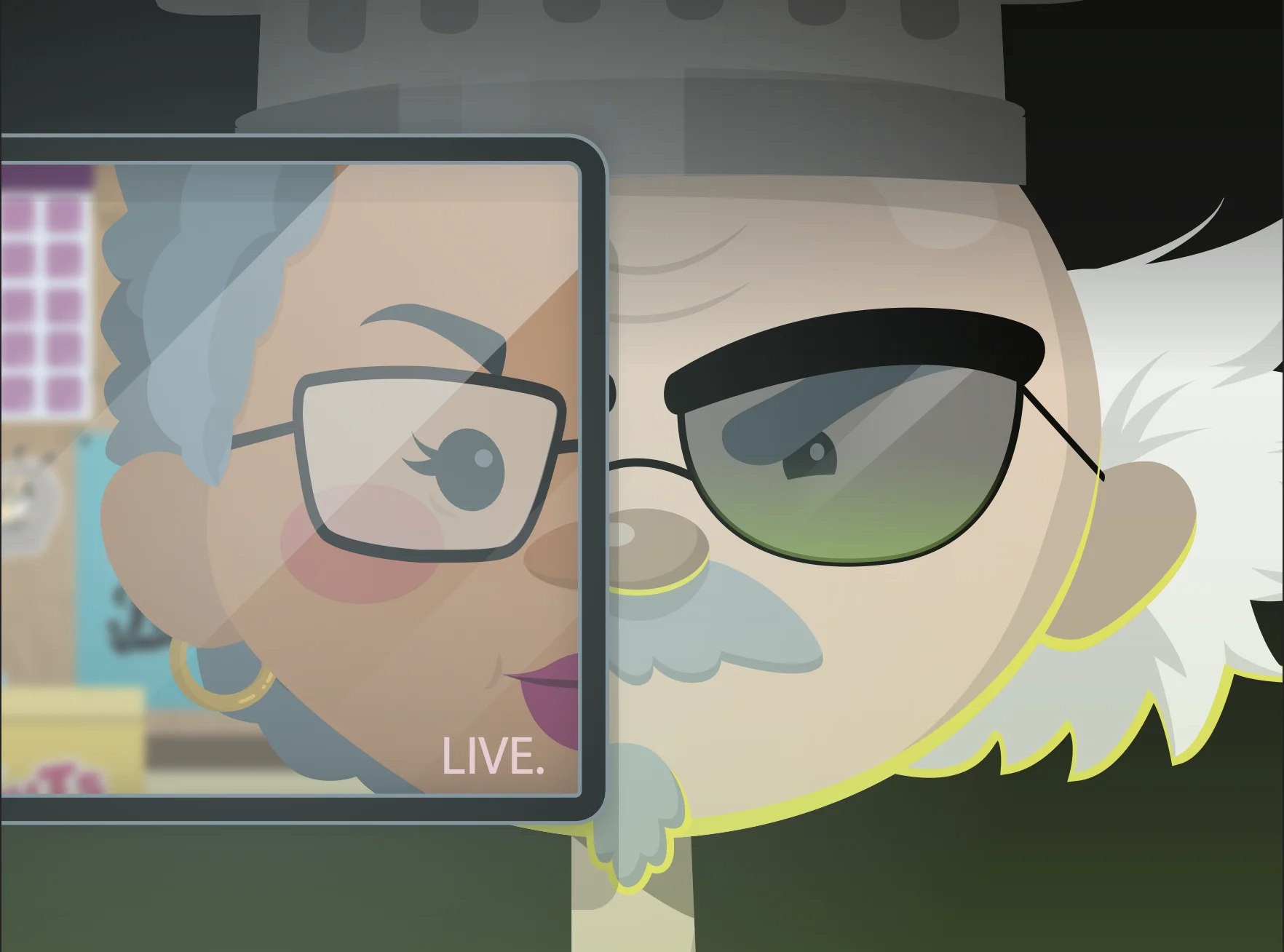
At their core, romance scams are a masterclass in social engineering. The attacker's weapon isn't malware or a zero-day exploit…it's emotional manipulation. Here's how the typical progression unfolds:
1. Initial contact and persona creation
The scammer creates a convincing fake profile, often stealing photos from real people's social media accounts or using AI-generated images. They craft backstories designed to appeal to their target: a military officer deployed overseas, a successful engineer working on an oil rig, a widowed doctor volunteering abroad. These personas are engineered to explain why the person can't meet in person and to elicit sympathy or admiration.
According to the Federal Trade Commission (FTC), romance scammers frequently reach out through dating apps (Hinge, Grindr, Tinder, etc.), social media platforms like Facebook and Instagram, or even through seemingly accidental text messages and direct messages.
2. Building trust and emotional dependency
Once contact is established, the scammer invests significant time—sometimes weeks or months—in building a deep emotional bond. They send frequent messages, make phone calls, share fabricated personal details, and express intense affection early in the relationship (a manipulation tactic sometimes called "love bombing"). The goal is to make the victim feel uniquely valued and emotionally dependent on the relationship.
This phase mirrors the "pretexting" stage of social engineering attacks that cybersecurity professionals are trained to recognize in corporate environments. The attacker is carefully constructing a believable narrative to lower the victim's defenses.
3. The ask
Once emotional trust is established, the scammer introduces a crisis or opportunity that requires money. Common scenarios include:
A medical emergency for themselves or a family member
Legal trouble or an arrest that requires bail money
Travel costs to finally meet the victim in person
A lucrative investment opportunity (especially in cryptocurrency)
Customs fees to release a valuable package
Requests typically start small to test the victim's willingness and escalate over time. The scammer may ask the victim to send funds via wire transfer, gift cards, cryptocurrency, or peer-to-peer payment apps—methods that are difficult or impossible to trace and reverse.
4. Continued exploitation
The scam rarely ends after a single payment. Scammers will continue to invent new emergencies and escalate financial demands for as long as the victim continues to comply. In some cases, if the victim becomes suspicious, the scammer may introduce a second fake persona—a "lawyer," "bank official," or "friend"—to validate the story. Some scammers also pivot to threatening or blackmailing victims who try to disengage, especially if intimate photos or personal information were shared during the relationship.
5. The disappearance
Eventually, when the victim can no longer send money or begins to push back firmly, the scammer vanishes—deleting profiles, disconnecting phone numbers, and cutting off all communication. Victims are often left with devastating financial losses and significant emotional trauma.









 Summarize This Page