You know that frustrated feeling when you can't remember which password belongs to which account? Single-factor authentication (SFA) streamlines this process, making it easier to log in—but at what cost? Love it or hate it, SFA still plays a major role in online security. But does it hold up against today's rising cybersecurity threats?
Key takeaways
What SFA really is: The basics of single-factor authentication and how it works.
Cool or convenience overload: The advantages and risks of relying on one layer of authentication.
Hackable or not: Why layering authentication factors (hello MFA!) is becoming a must.
Let’s break it down so it’s easier to understand.
The basics of single-factor authentication
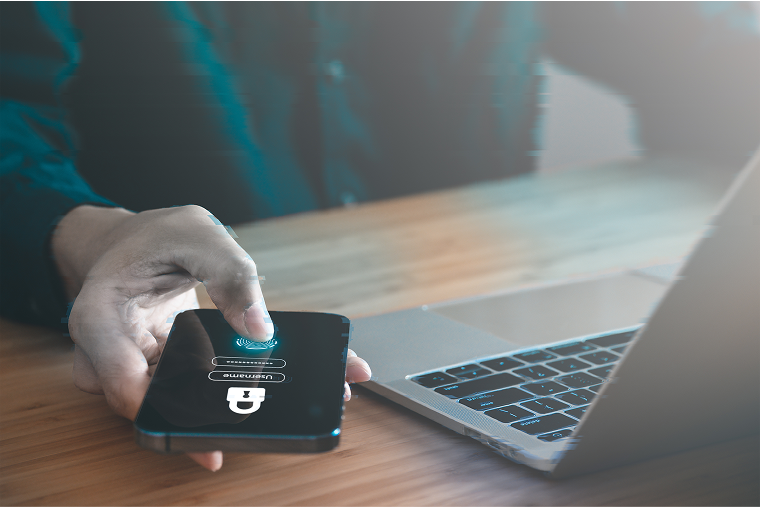
Single-factor authentication is the simplest way to secure an account. You only need one identification factor, which is usually something you know, like...you guessed it, a password. Punch it in, and boom! You’re in. Other forms of SFA include physical tokens or basic biometrics like a fingerprint scan.
Sounds easy, right? Unfortunately, hitting the easy button often equals risk these days.
Breaking it down
How does SFA work?
The process is straightforward. Type your username and password (or provide another credential), and if it matches what’s stored in the system, you’re granted access. A basic concept—but in a world of phishing scams and data breaches, that simplicity can be a problem.
While some SFA systems use tokens or simple biometric options, these blur the line with multi-factor authentication (MFA), which brings stronger layers into the mix.
Why SFA can be a double-edged sword
SFA is convenient, but it opens the door to specific vulnerabilities like these gems:
Phishing Attacks – Hackers have become pros at duping users into handing over login credentials.
Password Leaks – Ever been notified about a breach on your email or bank account? 27% of stolen passwords come from company data breaches. That's the dark side of relying solely on passwords.
Lack of Layers – With no extra barriers standing between hackers and sensitive data, systems are an easy target.
If you’re running a business, SFA is fine for low-risk systems. But trusting it for accounts holding client data or financial info? That’s like locking your front door and leaving the key under the welcome mat.
Enter multi-factor authentication
Here’s the good news. Many businesses are upgrading from SFA to multi-factor authentication (MFA). With MFA, users must verify their identity through ACTUAL layers of security, like:
Something You Know – Your classic password.
Something You Have – A smartphone app that generates one-time passwords.
Something You Are – Biometrics such as facial recognition or fingerprint scanning.
This combo drastically reduces the chances of unauthorized access.
Best practices for SFA
Still using SFA for some systems? Here’s how you can beef it up to reduce risks:
Strong Passwords Only – Ditch “123456” or “password” (seriously, we're begging you). Use complex passwords and make regular updates. Check to see if your password made the most common passwords of 2025 list.
User Security Awareness Training – Teach your team how to spot phishing scams and keep credentials secure.
Limit Exposure – Restrict SFA usage to low-risk accounts without sensitive data.
Bonus tip? Start exploring MFA solutions to future-proof your organization’s security.
By the numbers
Scary stat for you: Approximately 81% of data breaches are the result of weak or stolen passwords. 🤯 If that doesn’t make you rethink your reliance on SFA, we don’t know what will.
Cyber threats are growing in complexity, and SFA isn’t evolving fast enough to keep up. Sure, it’s quick and easy, but convenience can come at a steep price if you overlook its limitations.
Wrapping it up
Single-factor authentication might be a great starting point for verifying user identity, but it’s just that—a starter pack. For businesses and individuals navigating the increasing frequency of cyberattacks, upgrading to solutions like multi-factor authentication is quickly becoming non-negotiable.
Don’t wait for a compromise to force change. Evaluate your current security measures now. Want to know where to start? Lay the foundation with MFA and build your defenses strong..
Stay safe out there!







 Summarize This Page